After the storm, why one Dubai adviser says the UAE just made its strongest case yet
Clint Khan on what six weeks of crisis revealed and why investors are moving in now
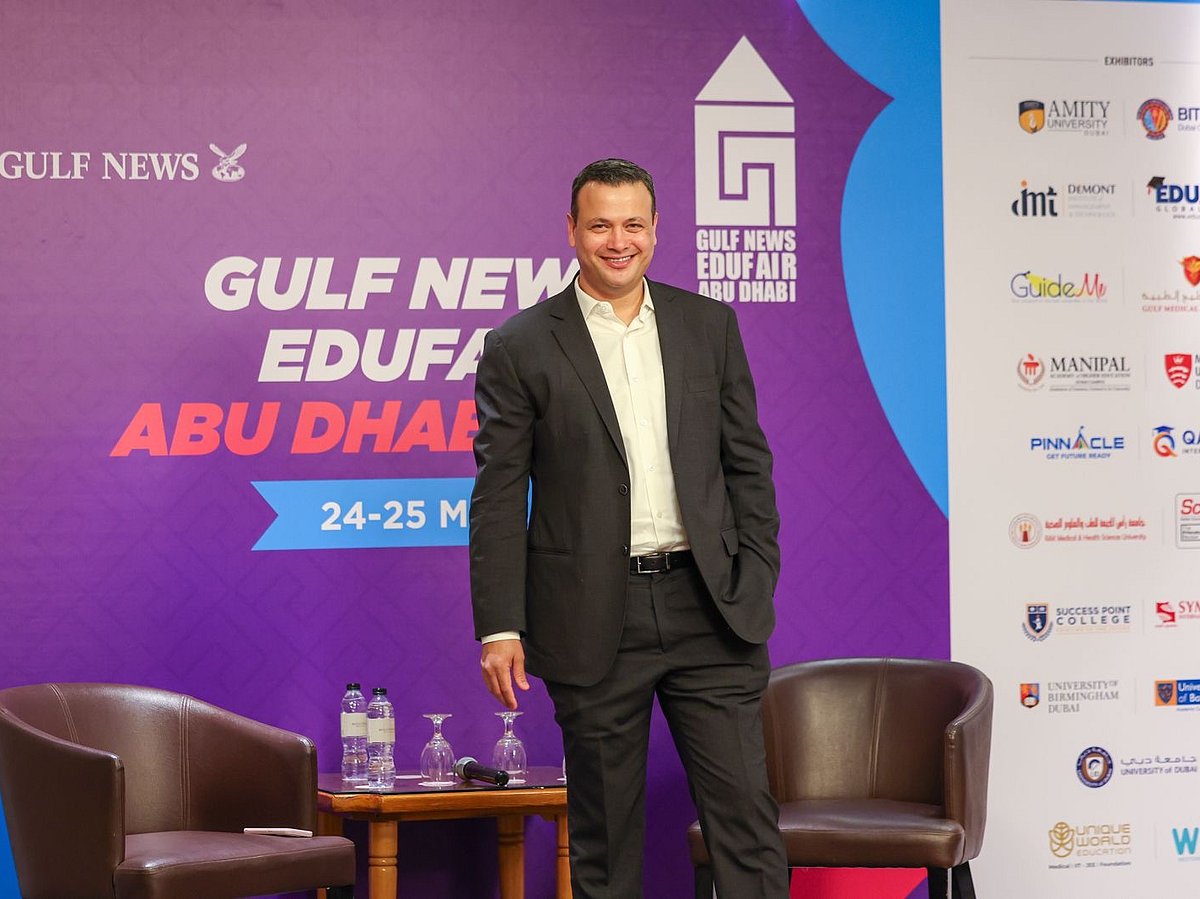
On a quiet morning at his office in Dubai, Clint Khan opens with a sentence that surprises. “The last six weeks were the best argument the UAE has ever made for itself,” he says. “You just have to know where to look.”
It is an unusual position to take. The war that began on 28 February tested the region severely. The Strait of Hormuz was closed for the first time in a generation. Tens of thousands of flights were cancelled. Hotel occupancy plunged. Tourism, which contributed close to AED 70 billion to the UAE economy in 2025, took a measurable hit. Bloomberg reported a 5.9 per cent decline in Dubai home valuations in March, the first monthly drop since 2020.
But Khan, who advises clients across the GCC on UAE business setup, Dubai property investment, the UAE Golden Visa and second residencies, sees a different story underneath the headlines.
He points to three things the war made visible. First, operational continuity. Public services kept running. Banks functioned. His Excellency Sheikh Mohammed bin Rashid Al Maktoum approved a National Programme to Strengthen Supply Chain Resilience while the conflict was still active, and the Ministry of Economy and Tourism confirmed strategic stockpiles sufficient for six months.
Second, diversification. Oil now contributes less than one per cent of Dubai’s GDP. Even after factoring in the war, the Dubai Department of Economy and Tourism is forecasting GDP growth of 4.5 per cent in 2026, with the technology sector growing 12 per cent. Dubai Internet City and Dubai Silicon Oasis recorded 340 new company registrations in January and February alone, an 18 per cent year-on-year increase, many of them relocating regional headquarters into Dubai from elsewhere in the Gulf.
Third, the social fabric. “In the UAE, everyone is Emirati,” His Highness the President of the UAE said in the second week of the war. The message moved from a presidential statement to billboards across the country within days. People who had a stake in this place stayed.
The rebound, when it came, surprised even seasoned operators. Within days of the ceasefire announcement on 7 April and the reopening of the Strait on 17 April, A developer publicly reported a threefold increase in customer conversions. Property viewing activity surged 75 per cent in the closing weeks of March. The Dubai stock index recovered around 7 per cent on the ceasefire announcement, with major developer stocks rising as much as 13 per cent. On 28 April, the UAE announced its exit from OPEC, effective 1 May, signalling that its economic future will be set on its own terms.
Khan reads the two events together. The ceasefire and the OPEC exit, three weeks apart, mark the closing of one chapter and the opening of another. The Dubai Economic Agenda D33, launched in 2023 to double the size of the city’s economy by 2033, remains intact. Foreign direct investment is targeted at AED 650 billion across the decade. One hundred transformational projects are already underway.
For investors, his message is simple. The short-term window is real but narrow. Selective off-plan discounts of up to 10 per cent appeared during the conflict. Motivated sellers created pricing that does not normally exist in this market. That window is already closing. Some developers’ tripling of conversions and Knight Frank’s forecast of a 3 per cent rise in prime property in 2026 both point in the same direction.
He has visibility on patterns most individual investors never see. Through his work with Y-Axis Middle East, the regional operation processes well over twenty thousand enquiries every month from clients across more than twenty-five nationalities. “You learn quickly which structures actually deliver the residency outcome the brochure promises,” he says, “and which do not.”
Having lived in the United Kingdom, Canada, Australia and the UAE, Khan brings a perspective shaped by lived experience rather than theory. Clients across more than forty nationalities turn to him for the same reason. They want one conversation that connects the business decision, the property decision and the residency decision into a coherent strategy.
Cities are judged not by the years they grow quietly but by the moments they are tested. By that measure, Khan argues, the UAE has just delivered its strongest performance review in modern memory. Investors are returning. Companies are choosing this market. The vision for 2033 is intact, and the foundations beneath it have been audited by reality.
“There is rarely a clean entry point into a market like this,” he says. “The closest thing to one tends to arrive in the weeks immediately after a storm. That window is open now. It will not stay open for long.”
Sign up for the Daily Briefing
Get the latest news and updates straight to your inbox
Network Links
GN StoreDownload our app
© Al Nisr Publishing LLC 2026. All rights reserved.