Don't leave the children to 'sort' out their fights: You need to step in.
'Why can't you be like...': 5 common parenting mistakes that fuel sibling rivalry, how to fix them
It's easy to fall into the trap of comparison, inconsistent boundaries as a parent
Last updated:
5 MIN READ
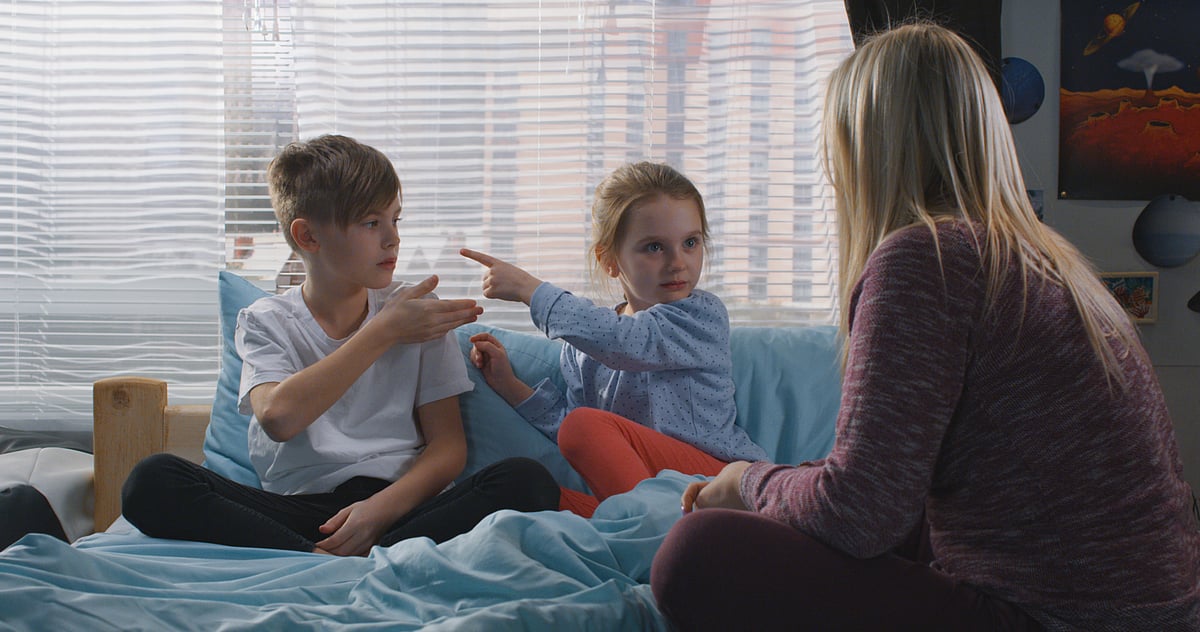
Focus on your child as an individual, acknowledge their strengths and identify areas where they need support.
Shutterstock
Just give it to your sister and stop your fighting so that I can have some peace.
Dubai-based homemaker Rose Jacob recalls a mistake she made when her twins were around five years old. One of them desperately wanted the other's bracelet, and they had been bickering about it all day. Exhausted, Jacob dismissed the conflict and told her daughter to simply give in and let her sister have the bracelet.
Years later, her daughter revealed that it wasn’t just one incident, it had become a pattern in their childhood: whenever they fought, instead of addressing both sides, Jacob would quickly look for a way to end the conflict. “It was one of the most painful realisations that I had. In my bid to just end a dispute, I think, I’ve hurt both my children. No wonder their fights were so bitter as children,” she says.
As Dubai-based child therapists explain, it’s easy to fall into the trap of comparison, inconsistent boundaries, or inadvertently play favourites, yet these mistakes can deepen the divide between siblings. “Language, words, and tone count so much for children when they’re growing up. These are deeply formative experiences, and impact them. As parents, you do have the power to subdue the rivalries before it snowballs,” explains Victoria Lauren, a Dubai-based child psychologist.
So, how do you ensure that you aren’t fuelling your children’s rivalries? Well, here are a few suggestions, explain psychologists.
The comparison trap: ‘Why can’t you be more like your sister?’
No doubt, you might have said it in exhaustion. Yet, these words stay with children, gradually creating more resentment for their siblings along with feelings of inadequacy. “Telling one child they should be more like their sibling might seem like a harmless comment, but it sends a message that their own qualities aren’t enough,” explains Lauren.
How to avoid this: If your child isn’t as motivated to study compared to their sibling, resist the urge to make comparisons, advises Lauren. Instead, take the time to understand what may be affecting their motivation. Are they struggling with the material, feeling overwhelmed, or lacking confidence? Identifying the root cause will allow you to tailor your approach to meet their specific needs.
In short, focus on your child as an individual—acknowledge their strengths and identify areas where they need support. By understanding their unique challenges, you can encourage their strengths while helping them overcome weaknesses in a way that feels personal and empowering.
Not setting clear boundaries: ‘Whatever, just do what you want’
At the end of a long day, the last thing you want to hear is bickering. No doubt. You're overwhelmed, and it’s just easier to let children sort things out on their own. But that’s where you’re wrong, says Lakshmi Narayan, a Dubai-based psychologist. “Without clear rules and boundaries, rivalry can quickly escalate. If children feel they can get away with anything and everything, it could add to the animosity and confusion. They may feel that some rules apply to one child but not the other, leading to feelings of unfairness and discord,” she says.
How to avoid it: Set clear, consistent expectations for behavior, and enforce them equally for all children. Whether it’s a rule about screen time, chores, or respecting one another’s space, ensure that they understand the rules. This also means being consistent in your approach, if one child faces consequences for a certain behaviour, the same applies to the other children. This creates a sense of fairness and clarity that helps prevent unnecessary conflict.
Playing favourites
Even if it’s unintentional, parents can sometimes form closer bonds with one child based on personality similarities, shared interests, or simply because one child seems to need more emotional support at a particular time. However, this favouritism can fuel intense sibling rivalry, with the other child feeling rejected and unloved.
As a parent you need to keep track of the emotional needs of your children, and to know what each one needs,
How to avoid it: As both the specialists explain: Make an effort to spend quality, one-on-one time with each child. Even small moments, like a quiet conversation before bed or doing an activity they love, can help strengthen the relationship with each child. “Your children are all different from each other, what interests one, will not interest the other. What bothers one, will not affect the other. As a parent you need to keep track of the emotional needs of your children, and to know what each one needs,” says Narayan. It helps creating a sense of security and ensuring that they all feel equally loved.
Also, it’s important to recognise the emotional needs of both children—don’t assume one child’s needs are any less important. By giving each child equal attention, you help foster a sense of security and ensure that they all feel equally loved.
Ignoring their emotional needs: ‘It’s just a phase’
When fights occur, it’s easy for parents to dismiss the situation as ‘a phase’ or hope that they will resolve it. However, ignoring the emotional needs of your children during these times can deepen resentment and cause long-term damage to their relationship. While sibling rivalry is natural, emotional needs and feelings of being unheard are not to be taken lightly.
How to avoid it: “When conflicts arise, take the time to listen to both children’s perspectives. Let them express their feelings and validate their emotions, even if you don’t fully agree with them,” says Narayan. Saying things like, ‘I understand why you feel upset’ or ‘I can see that you’re frustrated’ helps children feel seen and heard.
Taking sides: She always gets her way
When children fight, it’s natural to want to intervene and settle the score. However, siding with one child too quickly—especially without hearing the full story—can damage sibling relationships and create feelings of injustice. “Children who feel like they’re constantly blamed or wronged may internalise these experiences, leading to further resentment,” explains Lauren.
How to avoid it: Try to stay neutral and fair when dealing with sibling conflict. Before jumping to conclusions, hear both sides of the story. Allow them to come up with solutions to the conflict on their own, rather than simply imposing your own. Lauren adds that if one child feels they are being treated unfairly, take the time to address the issue calmly and thoughtfully, ensuring that both children feel respected and heard.
Sign up for the Daily Briefing
Get the latest news and updates straight to your inbox
Network Links
GN StoreAbout Gulf NewsTerms & ConditionsReach by GNSitemapContact usPrivacy PolicyGN FocusHave your sayWork with usAdvertise with usGulf News epaperPrinting Services
Download our app
© Al Nisr Publishing LLC 2026. All rights reserved.