Padra highlights hairline design and donor preservation as key elements of natural hair restoration
FUE and Nano FUE techniques highlight Padra's individualised treatment plans
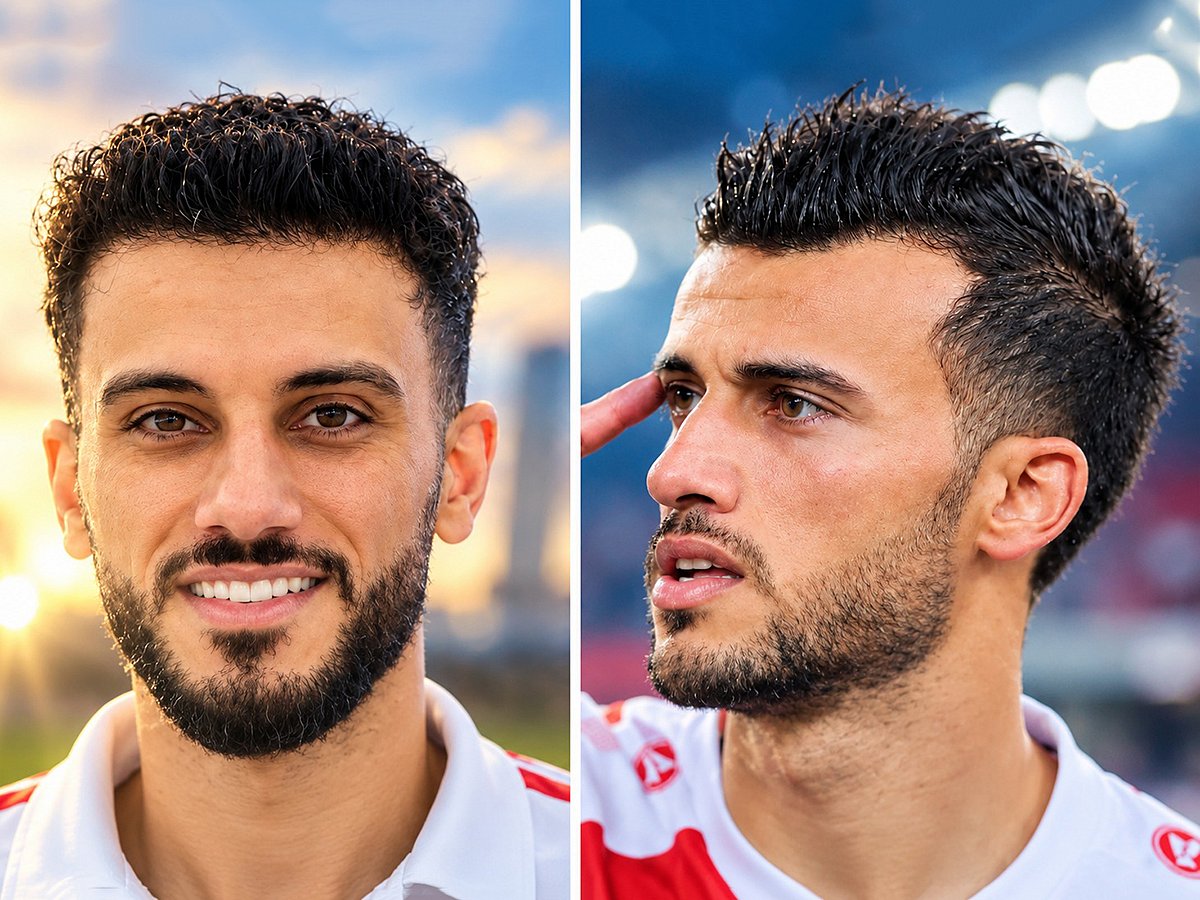
Dubai: Padra Clinic is highlighting an individualized approach to hair restoration in which treatment planning considers the patient's hair-loss pattern, donor-area condition, facial proportions, hair characteristics, and long-term restoration requirements.
Padra currently provides hair-restoration services across several international locations, including Dubai, Kuwait, Doha, and Riyadh, with a Toronto location also identified in Padra's company materials. The clinic describes personalised planning and natural hairline design as central elements of its hair-transplant approach.
The announcement reflects a broader focus on treatment planning rather than using graft quantity as the sole measure of a hair-transplant plan. Padra's published treatment information states that hairline design, donor-area preservation, graft selection, placement angle, density planning, and recovery guidance form part of the treatment process.
Hairline design remains a central planning consideration
The frontal hairline represents an important part of the visual outcome of a hair transplant. Hairline shape, facial proportions, existing growth direction, density, and the transition between transplanted and existing hair can all influence the appearance of the restored area.
Padra's published approach describes hairline planning according to facial proportions, age, and natural growth direction. Treatment planning also considers the patient's existing hair-loss pattern and donor-area suitability before a procedure is recommended.
Rather than applying an identical hairline design to every patient, Padra states that treatment plans are developed according to individual characteristics and long-term restoration goals.
FUE-based treatment and graft planning
Padra provides FUE, or Follicular Unit Extraction, as a hair-transplant method. FUE involves individual follicular units being extracted from a donor area and implanted into areas affected by thinning or hair loss. Padra's FUE information describes the procedure as involving individual follicle extraction and implantation rather than strip removal.
Padra Clinic also references Nano FUE within its treatment information, particularly in relation to individualized follicular extraction and placement. The company describes donor-area assessment and preservation as components of treatment planning.
Graft numbers remain relevant to treatment planning, but the appropriate number depends on factors including donor-area quality, hair-loss pattern, treatment area, desired density, and long-term planning. Padra's published information states that graft requirements vary according to individual patient factors.
Donor-area assessment before treatment
The donor area generally provides the follicles used for transplantation and therefore represents a finite resource for an individual procedure plan. Padra's published treatment information emphasises assessment of donor-area suitability before determining whether transplantation is appropriate.
Patients with insufficient donor density or advanced hair loss may require alternative approaches or may not be suitable for a particular FUE plan. Padra's FUE guidance specifically notes that treatment suitability depends on factors such as donor density, degree of hair loss, overall health, and stability of the hair-loss pattern.
Treatment planning extends beyond the procedure
Padra's treatment information describes an assessment process covering hair-loss concerns, medical history, donor-area condition, facial characteristics, and treatment objectives. The company states that consultation is intended to determine appropriate treatment options rather than assuming that transplantation is suitable for every patient.
Recovery and follow-up also form part of the published treatment pathway. Padra provides aftercare guidance and describes recovery timelines as varying according to the procedure and individual circumstances.
Hair transplantation does not produce identical results for every patient. Candidate suitability, donor resources, existing hair characteristics, treatment area, healing, and individual growth patterns can influence outcomes. Padra's editorial policy states that treatment recommendations should be based on appropriate assessment and that outcomes can vary between patients.
International hair-restoration network
Padra describes an international hair-restoration network serving patients across the Gulf region and North America. Current company information lists clinics or locations in Kuwait, Qatar, Saudi Arabia, and the United Arab Emirates, while Padra materials also identify Toronto as part of the organization's international expansion.
The company's current hair-restoration positioning centers on personalised treatment planning, hairline design, donor-area preservation, graft placement, and recovery support. The approach places individual assessment alongside procedural technique when determining an appropriate hair-restoration plan.
Sign up for the Daily Briefing
Get the latest news and updates straight to your inbox
Network Links
GN StoreDownload our app
© Al Nisr Publishing LLC 2026. All rights reserved.