How the UAE is buying gold
This Akshaya Tritiya shoppers balance tradition with price awareness and long-term value
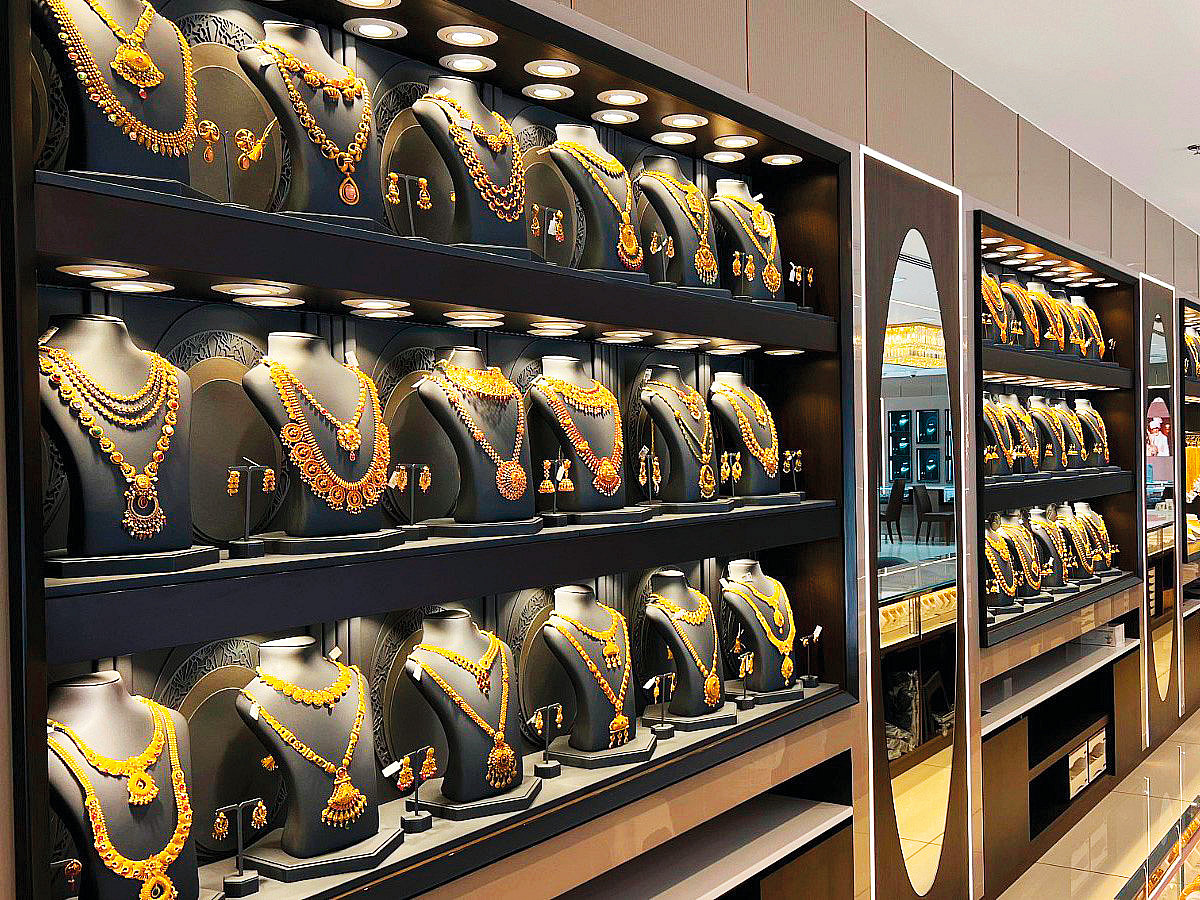
Akshaya Tritiya draws its usual crowds in the UAE, with families walking into gold souks and malls with quiet certainty. The festival still carries its weight. This year, the shift is not in sentiment but in behaviour. Buyers are more deliberate, more informed, and more willing to balance emotion with value.
Across showrooms, the festive mood holds steady. Customers are browsing, booking and returning to familiar brands. At the same time, their approach has changed. “This year, there’s a noticeable shift. Customers are still coming in with the same festive spirit, but they’re far more informed and deliberate,” says John Paul Alukkas, CEO, Joyalukkas Jewellery. He notes that buyers are asking sharper questions on gold rates, exchange value and future price trends. Purchases are planned. Families compare options and often split their budgets across multiple pieces rather than committing to a single heavy item. “It’s not impulsive anymore,” he says. “The joy and tradition are still very much there, but the approach has become smarter and more strategic.”
That sense of preparation is visible across the market. Shamlal Ahamed, MD — International Operations, Malabar Gold & Diamonds, describes “healthy footfall” and strong festive energy, especially among Indian customers. The difference lies in how decisions are made. Customers arrive with awareness, take time to explore collections, and weigh design against value before committing. “While the festive sentiment remains intact, there is a slightly more considered approach to purchases,” he says, pointing to a buyer who is willing to pause before deciding.
Retailers are adjusting to that mindset. Ahamed says Malabar Gold & Diamonds has introduced a festive edit with curated collections such as Aanika handcrafted natural diamond jewellery and Tanvika gold jewellery, alongside a wider mix of gold, diamond and gemstone pieces. Offers such as cash vouchers and discounts are designed to support the buying experience rather than drive it.
Tawhid Abdullah, Group CEO, Jawhara Jewellery and also the Chairman of the Dubai Gold & Jewellery Group, says, the pattern remains reassuring. Customers are visiting stores, exploring collections and making advance bookings for the auspicious day. “It is encouraging to see the faith that people have in the country and the security it provides to each resident,” he says, adding that repeat customers continue to return, reinforcing long-standing relationships.
There is also a layer of caution shaping purchases. Anil Dhanak, Director, Kanz Jewellery, observes that intent to buy remains strong, though spending is more measured.
“There is an intent to buy but for smaller affordable pieces,” he says, noting a shift towards lower ticket sizes. Demand for gold bars and coins is rising alongside this trend, reflecting a more investment-led approach.
At Meena Jewellers, Sanjay Jethwani and Vinay Jethwani who run the jewellery chain as co-owners, point to a familiar pattern driven by both belief and timing.
“Akshaya Tritiya is believed to be a very auspicious day to buy gold, as people feel that buying gold on this day brings prosperity and good fortune,” Vinay says. He adds that when prices ease, customers see it as an opportunity to buy, while continuing to view gold as a long-term store of value.
Emotion and value now move together
Gold buying during Akshaya Tritiya has always been rooted in emotion and tradition. That continues. What has evolved is the way that emotional pull now sits alongside a clear awareness of value.
“It’s actually both – and that’s the interesting part,” says Alukkas. Weddings, anniversaries and festivals continue to drive purchases, yet customers are also thinking about long-term value. Jewellery is seen not just as adornment but as a secure asset. “A young couple buying bridal gold will also pick up a small coin or bar for investment,” he says. “The two thoughts – heart and mind – are no longer separate.”
Ahamed describes this as a “dual utility,” where gold functions as both an auspicious purchase and a dependable store of wealth. The emotional and cultural significance of the festival remains strong, yet customers are also evaluating gold for its long-term relevance. “It is being seen not just as jewellery for an occasion, but as a form of consumable investment,” he says.
At Jawhara Jewellery, Abdullah places emotion at the centre of the purchase. Jewellery, he says, is often bought with the intention of being kept for life, shaped by occasions that give it meaning. At the same time, he notes a shift in who is buying. “Lately we are seeing a lot of young independent women buying jewellery to celebrate themselves,” he says, pointing to a growing trend of self-purchase driven by personal milestones.
Dhanak sees the investment mindset becoming more defined, supported by price movements that influence buying behaviour. “There is a real investment mind set and the correction in gold prices have given strength in the investment psychology,” he says. The emotional significance of the festival remains, yet it now sits alongside a stronger focus on value and future security.
Sanjay points to the way tradition and pricing work together to drive demand. “With gold prices easing and the festival just around the corner, the momentum is quite strong,” Sanjay says. Customers continue to buy for auspicious reasons, while also responding to favourable pricing conditions. The two factors reinforce each other rather than compete.
What people are choosing to buy
The shift in mindset is most visible in what customers are choosing to take home. The dominance of heavy, occasion-led jewellery is giving way to a more balanced mix, with lightweight jewellery gaining ground. “Delicate necklaces, stackable bangles, everyday earrings,” says Alukkas, describing a move towards pieces that can be worn often rather than stored away. Customers are looking for versatility and regular use. At the same time, he notes a clear rise in demand for coins and bars, which are seen as a direct way to save and invest. “So the basket has diversified,” he says.
Ahamed observes a similar pattern, with customers exploring a broader mix of options. Traditional jewellery remains important, yet there is growing interest in coins and bars. Alongside this, lighter lifestyle jewellery is attracting attention for its practicality and aesthetic appeal. “Customers are gravitating towards lighter, versatile lifestyle jewellery that can be worn regularly,” he says.
At Jawhara Jewellery, Abdullah points to a shift in material choices. Customers, particularly from Asian markets, are increasingly purchasing diamond and pearl jewellery alongside traditional 22K gold. “A lot of people buy a gold bar for the festival and then along with it invest in a solitaire or any other diamond jewellery of their liking,” he says, describing a layered approach to buying.
Dhanak sees diversification driven by value-conscious decisions. “We’re seeing increased interest in lighter, wearable pieces that offer flexibility,” he says, adding that coins and investment-led products continue to see strong traction. Even within jewellery, customers are choosing designs that balance aesthetics with gold weight retention, ensuring long-term value.
At Meena Jewellers, Vinay describes a market that continues to accommodate different preferences. “Some prefer heavier jewellery for investment and special occasions, while others choose lighter pieces for everyday wear,” he says. Gold bars and coins remain an important part of Akshaya Tritiya sales, particularly when prices ease, encouraging customers to invest alongside their festive purchases.
Network Links
GN StoreDownload our app
© Al Nisr Publishing LLC 2026. All rights reserved.