Resident Evil may finally have a pulse after 24 years. Do you need to watch the other films?
Cregger’s fresh start lets newcomers jump in without seven-film homework
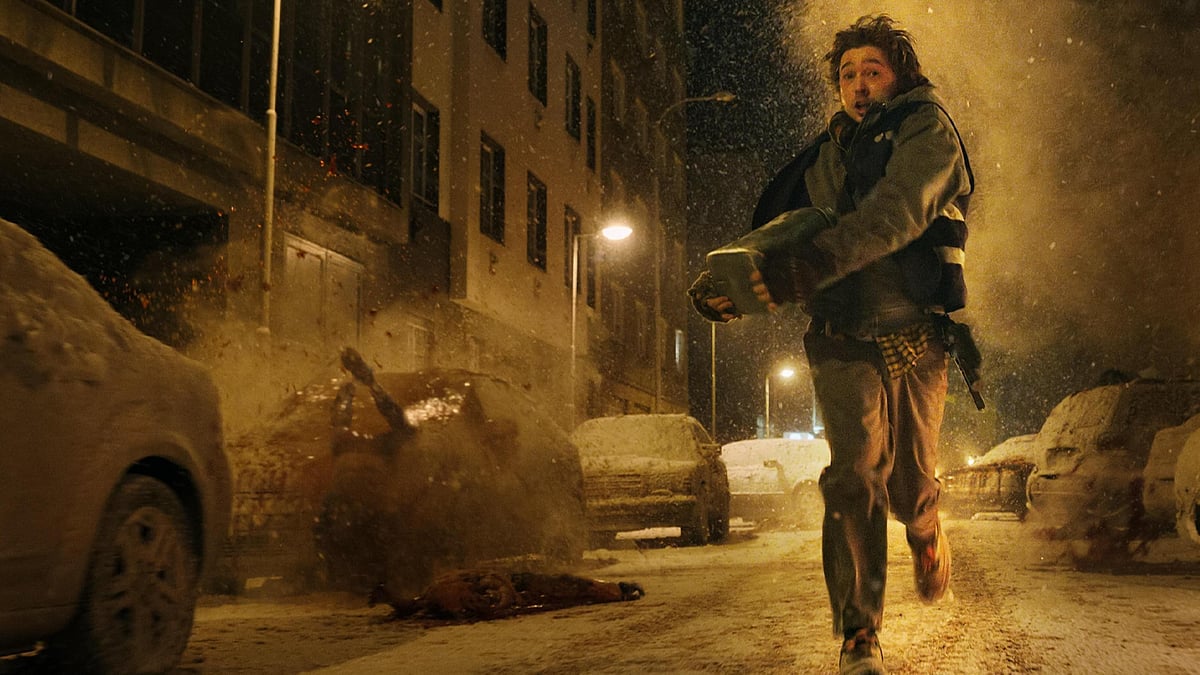
The Resident Evil movies have, for twenty-four years, operated on a business model that should not work. Make a film. Have critics review it like it personally wronged them. Watch it gross a small country's GDP anyway. Repeat six times. Somehow, this is now an eight-film franchise, and the newest entry, from Zach Cregger — just dropped and is doing something genuinely unprecedented: Getting good reviews. So good that people who spent two decades mocking this series are typing things like "best RE movie ever made" with a straight face.
So if you're eyeing a trip to the theater this week, here's everything you need to know, whether you need homework first, why this franchise refuses to die critically acclaimed or not, and what makes Cregger's take different.
Do you need to watch the other seven films first?
Short answer: no. Emphatically, gloriously, no.
Here's the thing about the Resident Evil film franchise that makes it almost uniquely low-commitment as blockbuster properties go: It has rebooted itself twice, and the newest film is reboot number two of two.
The Milla Jovovich Saga (2002–2016) — Six films following Alice, a security operative turned superpowered zombie-apocalypse survivor, as she wages a one-woman war against the Umbrella Corporation. This is soapy, self-serious, increasingly absurd action-horror that borrows character names from the games (Jill Valentine, Chris Redfield, Leon Kennedy, Ada Wong) while mostly doing its own thing. It is, by general critical consensus, not good, though it has its die-hard defenders and a legitimately fun "so bad it's a blast" streak in the middle entries.
Resident Evil: Welcome to Raccoon City (2021) — A total restart, wiping Alice from continuity entirely and adapting the plots of the first two games more faithfully. It landed with a critical thud and modest box office and functions, in retrospect, as a one-and-done experiment.
Resident Evil (2026) — Zach Cregger's total restart of the restart. New continuity, new characters, no returning cast, no required viewing. Cregger has said outright that he'd never seen any of the previous films before making this one — which is either a delightfully petty flex or the most honest thing a franchise director has ever admitted.
Since each era discards what came before, jumping straight into the 2026 film costs you nothing narratively. You will not be lost. You will, however, be missing decades of so-bad-it's-glorious camp if you skip the Jovovich era entirely, so consider it optional dessert, not a prerequisite.
If you want the abridged homework anyway, here's the order:
Resident Evil (2002)
Resident Evil: Apocalypse (2004)
Resident Evil: Extinction (2007)
Resident Evil: Afterlife (2010)
Resident Evil: Retribution (2012)
Resident Evil: The Final Chapter (2016)
Resident Evil: Welcome to Raccoon City (2021)
Resident Evil (2026) ← you are here, and honestly, could've started here
Wait, so why has this franchise made $1.2+ billion if nobody likes it?
This is the genuinely fascinating part. The pre-2026 six-film run made over $1.27 billion worldwide on a combined budget of roughly $313 million — while critics spent two decades treating each installment like an annual chore. A few forces kept this zombie shuffling forward at the box office:
It filled a genre gap nothing else was filling. For most of the 2000s and early 2010s, there simply weren't many other big, R-adjacent, globally-marketable zombie action franchises in theaters. If you wanted mainstream undead carnage on a big screen, this was often the only buffet open.
It traveled exceptionally well overseas. These films consistently over-performed internationally relative to their US. numbers — action-horror with a recognizable game IP is a near-universal export.
Low budgets, low risk, steady returns. None of these films were expensive by blockbuster standards. Even a 'disappointing' opening still turned a profit, which is exactly the kind of math that keeps a studio greenlighting sequel after sequel regardless of what Rotten Tomatoes says.
A genuinely devoted fanbase. Gamers who had sunk hundreds of hours into Raccoon City wanted something on the big screen, criticism be damned, audience scores for these films have consistently run well above critic scores.
So what's different about the Cregger reboot?
Here's where the story gets genuinely fun. Zach Cregger, the guy behind Barbarian and last year's Oscar-winning smash Weapons (a $270 million global hit off a $38 million budget), took the reins, and for once, the reviews are actually raving.
Early reaction has been strikingly warm, with outlets calling it sharper, scarier, and more purposeful than any of its predecessors — one review going so far as to declare it flatly better than the rest of the franchise combined. The film centers on Bryan (played by Cregger's Weapons collaborator Austin Abrams), a medical courier whose routine delivery run spirals into a single, chaotic night of survival horror in Raccoon City — a tighter, more contained premise than the globe-trotting, increasingly bloated later entries in the Jovovich saga.
A few reasons this one's landing differently:
A real filmmaker with a track record, not a franchise-for-hire. Cregger's recent run has made him one of horror's most trusted names, and that credibility is translating into actual pre-release goodwill and box office tracking that dwarfs anything the franchise has seen before.
He's a genuine fan, not a hired gun. Cregger grew up on the games and has talked about wanting to make something that actually feels like playing Resident Evil, tense, resource-scarce, claustrophobic — rather than another VFX-heavy action spectacle.
A tighter runtime and scope. At around 90-something minutes with a single-night, contained story, it's a different animal from the increasingly sprawling later Jovovich films.
Box office is already breaking records. Industry tracking pegged it for the biggest domestic opening in the franchise's history — comfortably ahead of the previous record-holder, 2010's Afterlife.
Sign up for the Daily Briefing
Get the latest news and updates straight to your inbox
Network Links
GN StoreDownload our app
© Al Nisr Publishing LLC 2026. All rights reserved.