Hurt Locker fits the need of the age
Bigelow has resurrected the ideal of the chivalrous warrior and burnished it further
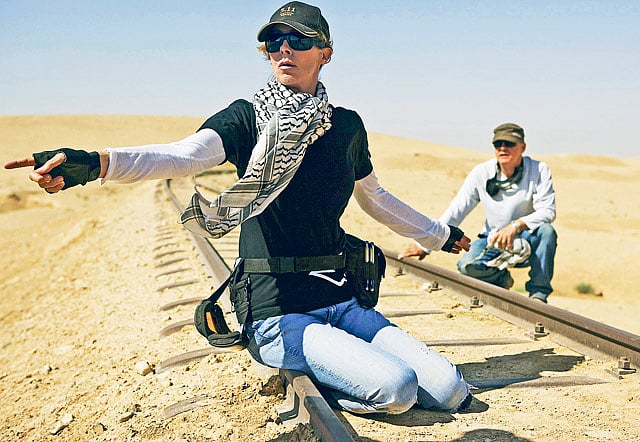
By distancing the soldiers in The Hurt Locker from the cause for which they're fighting, Director Kathryn Bigelow has devised a new martial ideology for an age that's suspicious of combat. Before cinema, war was something most people only heard about.
It's not surprising that the muddy, bloody slaughter of the first world war should have yielded films such as All Quiet on the Western Front, What Price Glory? and The Big Parade, projecting the message that war is hell.
Now it's the Iraq war's turn to hit celluloid. You might have expected this ill-augured conflict to entrench even further on-screen distaste for the arbitrament of the sword. There've been hints of such an attitude, but so far to no great effect. The Hurt Locker, however, is already a box-office and critical success.
Bigelow has resurrected the ideal of the chivalrous warrior and burnished it further. Her choice of bomb-disposal experts as protagonists keeps them well away from cowardice, cruelty or prisoner abuse, and their demeanour suggests that they'd find such things unthinkable. Their interpersonal dynamics (responsible level-head versus dare-devil maverick) hark back to the conventions of mid-century screen heroics. These are unequivocally good, brave and inspiring men.
Single-minded commitment
Necessarily, however, their virtue has nothing to do with the sorry cause for which they're fighting. It springs instead from single-minded commitment to their task and comrades that supersedes even the demands of family. Here is a portrait of warfare that finds no room for bloodlust, atrocity, token female combatants, survivor guilt, post-traumatic stress disorder or glum philosophising.
Simple-minded and out-dated as the resulting fable might sound, it's not just convincing but also surprisingly enticing. Perhaps it fits the needs of the age. We've grown used to wars of doubtful purpose, but developed a new appetite for the heroism they foster. A degenerate west, we were told, would never again fight a boots-on-the-ground war. Nor would it stomach regular casualties. Now it's more or less uncomplainingly doing these things in yet another imperfectly validated conflict, while according its young soldiers at the sharp end increasing respect.
Some have interpreted The Hurt Locker as an anti-war film. Nonetheless, when it contrasts choosing a breakfast cereal in an American supermarket with defying death in dusty Baghdad, it's the former that's found wanting. Bigelow has mythologised the nobility of soldiering even in a dubious cause.
For better or for worse.
Sign up for the Daily Briefing
Get the latest news and updates straight to your inbox
Network Links
GN StoreDownload our app
© Al Nisr Publishing LLC 2026. All rights reserved.