UAE tops the world’s passport rankings for the seventh year running
The UAE maintains its global mobility dominance while traditional leaders fall back
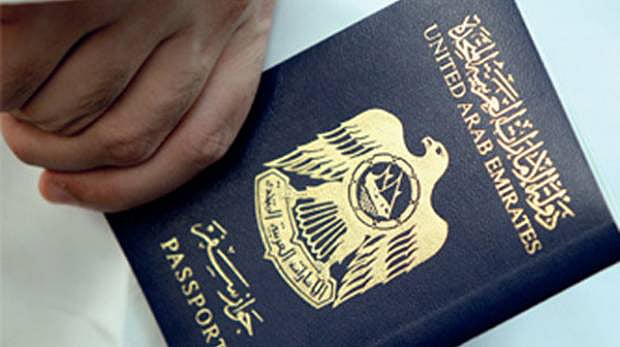
Dubai: The UAE has once again been ranked the world’s most powerful passport, holding the top position for the seventh consecutive year in the 2025 Passport Index by Arton Capital.
In a year when most major passports lost ground, the UAE extended its lead, reaffirming its position as a global mobility powerhouse. The country’s unparalleled travel access and reputation as a stable, investment-friendly hub have kept it ahead of traditional leaders from Europe and North America.
“The world is becoming more cautious, and the era of rapid post-Covid reopening is firmly behind us,” said Armand Arton, CEO of Arton Capital and co-founder of the Passport Index. “But within this shift, we’re seeing the UAE remain dominant, and Asian nations emerge as major mobility players.”
Asia closes in
After years of holding steady, Asia’s top passports surged forward in 2025. Singapore made the biggest leap, climbing from 30th to 2nd place with a mobility score of 175, while Malaysia rose from 41st to 17th with 174. Japan and South Korea maintained high positions despite minor declines, strengthening the region’s collective presence near the top of the rankings.
Asia’s growing diplomatic influence, streamlined travel agreements, and reputation for economic resilience have accelerated its ascent. “In an era of increasing travel restrictions, the value of a powerful passport only grows,” said Arton.
Europe still leads but loses ground
European passports continue to dominate much of the top 20, with Spain, France, Germany, Belgium, and Italy holding firm among the global leaders. However, most of them recorded lower mobility scores than in 2024, falling from around 178–179 to roughly 174 this year.
As governments tighten entry rules and increase visa scrutiny, Europe’s traditional advantage has begun to erode. The region still accounts for most of the world’s highly ranked passports but now faces strong competition from Asia’s fast-improving contenders.
Anglosphere slide deepens
The UK, the US, and Canada were among the biggest fallers in the 2025 rankings. The UK slipped from 32nd to 39th, while the US and Canada fell to 41st and 40th respectively after losing five visa-free destinations each. Australia and New Zealand also dropped positions.
Wealthy citizens in these countries have increasingly begun pursuing alternative residencies and citizenships to maintain global access.
Arton’s related Affluence & Elections survey found that growing numbers of affluent individuals in the UK, US, and Canada are actively exploring relocation options. The report notes that high-net-worth individuals now treat mobility planning as seriously as investment management, assembling “portfolios of citizenships” to secure stability and freedom.
Digital travel evolution gains speed
Despite the slowdown in traditional visa waivers, 2025 saw record progress in digital travel authorisations. Israel, the United Kingdom, Turkmenistan, St. Kitts and Nevis, and the Maldives adopted Electronic Travel Authorisations (ETAs), while Canada removed visa requirements for Qatari citizens and replaced them with ETA access, making Qatar only the second GCC country after the UAE to benefit from such a scheme.
The Passport Index expects more than 25 additional countries to introduce ETA systems in 2026. The biggest shift will come with the European Union’s long-awaited ETIAS rollout, covering travellers from over 60 nations visiting the Schengen area. This step will make the EU the largest global bloc issuing digital travel permits.
Sign up for the Daily Briefing
Get the latest news and updates straight to your inbox
Network Links
GN StoreDownload our app
© Al Nisr Publishing LLC 2026. All rights reserved.