Tourists in the old part of Deira, Dubai.
EXCLUSIVE
'Every visitor who experiences Dubai is a potential future resident, business owner or investor': Issam Kazim
Dubai tourism chief says every visitor is a potential resident, investor or founder
Last updated:
6 MIN READ
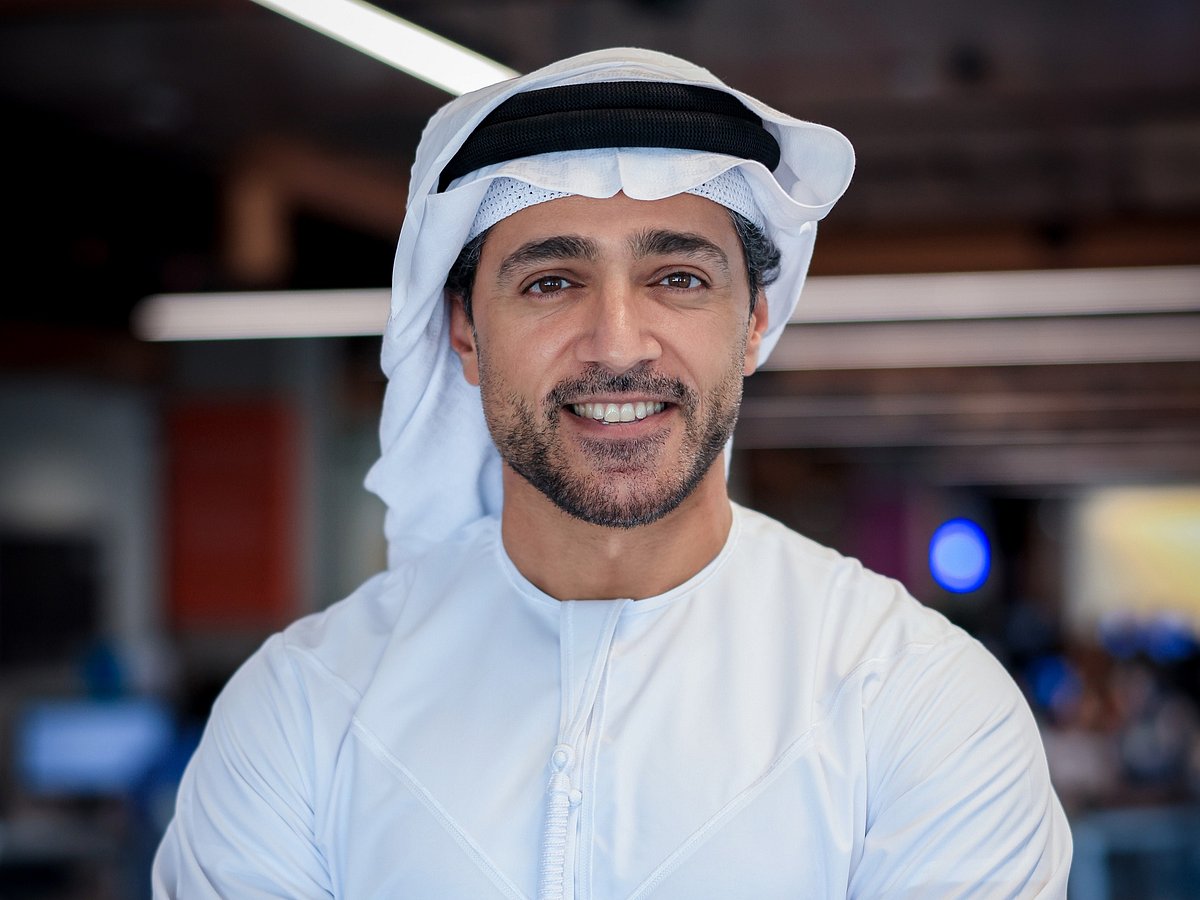
Issam Kazim, CEO of the Dubai Corporation for Tourism and Commerce Marketing
Supplied
Dubai: Every visitor who experiences Dubai is a potential future resident, business owner or investor, said Issam Kazim, CEO of the Dubai Corporation for Tourism and Commerce Marketing, as the city looks to convert tourism momentum into longer-term economic growth.
In an exclusive interview with Gulf News, Kazim said Dubai’s tourism strategy is increasingly tied to the wider economy, with visitors moving from short trips to longer stays, remote working, business ownership and eventual relocation.
Get updated faster and for FREE: Download the Gulf News app now - simply click here.
“Tourism’s contribution to Dubai’s economy extends well beyond visitor numbers: it is a gateway through which investment, talent, and long-term residency flow into the city,” Kazim said.
The comments come at a time when Dubai is working to build on its tourism momentum despite regional uncertainty, with officials positioning the sector as one of the core drivers of investment, talent attraction and long-term population growth.
Dubai remains open and stable
Kazim said Dubai’s appeal is being supported by the city’s ability to keep services, infrastructure and connectivity running smoothly even during periods of external pressure.
“Dubai’s appeal today is anchored in operational reality, not perception,” he said. “The city remains safe, stable and open, with tourism infrastructure, public services and connectivity functioning and meeting the expectations of both residents and visitors.”
He said the city remains mindful of the wider regional backdrop, but the focus is on maintaining a consistent visitor experience and strengthening Dubai’s destination proposition across both international and domestic markets.
The approach has become increasingly important as global travel decisions are influenced by safety, ease of movement and confidence in public services. Dubai has continued to market itself across established and emerging source markets, while also relying on residents to support the domestic tourism ecosystem.
The DCTCM chief said Dubai’s resident base, which includes nearly 200 nationalities, has become a major strength for the sector because it creates steady local demand for hotels, restaurants, attractions and events.
“At the same time, we’ve seen a remarkable uplift in domestic tourism, driven in no small part by our resident base of nearly 200 nationalities, a uniquely diverse population that continues to actively discover and engage with the city, providing a resilient foundation for the tourism sector and reinforcing long-term market stability,” he said.
Also Read
Dubai tourism pushes ahead with mega events, global campaigns after war disruptionDubai is ready to turn global challenges into growth opportunities, says Sheikh HamdanHow is Dubai protecting investors, supply chains and businesses during conflictCeasefire lifts UAE tourism mood — travel industry cautiously gears up for recoveryDh2.5 billion support package
Dubai has also moved to support hospitality and tourism companies through targeted relief measures aimed at easing pressure on businesses and protecting operational continuity.
Kazim said the city moved quickly because the strength of the tourism ecosystem depends on the health of companies operating within it.
“Thanks to decisive leadership, we moved quickly to support our partners, because the strength of the ecosystem depends on the health of every player within it,” he said.
Approved by Sheikh Hamdan bin Mohammed bin Rashid Al Maktoum, Crown Prince of Dubai, Deputy Prime Minister, Minister of Defence, and Chairman of The Executive Council of Dubai, the package includes 33 initiatives that will roll out over the next three to 12 months.
The package includes allowing hotels to defer 100% of sales fees on rooms, food and beverage, and the Tourism Dirham for three months.
Kazim said the measures were designed to protect liquidity and maintain business continuity across the sector, while the government continued to keep communication channels open with industry stakeholders.
“Ultimately, we recognise the importance of close collaboration between the public and private sectors, especially since transparency and coordination are as important as the incentives themselves,” he said.
Dubai has also used consumer-facing campaigns to keep activity moving across the hospitality sector. Initiatives including Dubai A Fine Way to Dine and Dubai Restaurant Week have encouraged residents to visit new and established restaurants through promotions across popular dining venues.
Tourists take photos near the Burj Khalifa in downtown Dubai, on Tuesday, March 3, 2026.
Record visitor numbers
Dubai entered the current period from a position of strength, after welcoming 19.59 million international visitors in 2025, marking its third consecutive record year for international visitation.
Kazim said the performance was supported by diversified source markets and sustained demand for Dubai as a destination to visit, live, work and invest.
“Dubai entered this period from a position of strength, and that foundation continues to shape our confidence,” he said.
The city’s broader economy has also remained a support for tourism. Dubai’s GDP reached Dh937 billion in 2025, helped by 6.4% year-on-year growth in the fourth quarter, according to figures cited by Kazim.
Dubai International Airport handled a record 95.2 million passengers in 2025, reinforcing the city’s role as one of the world’s main travel and aviation hubs.
He said market diversification has helped reduce reliance on any single travel corridor, with Dubai maintaining active engagement in more than 80 source markets.
“Our active engagement in more than 80 source markets means that no single corridor determines Dubai’s performance,” he said.
Diversification is now central to the city’s resilience strategy. When one market slows, Dubai can lean on demand from other regions, supported by its airline network, hotel capacity, business events calendar and leisure offering.
The Dubai Museum
From tourism to long-term growth
Dubai’s tourism sector is increasingly being treated as an entry point into the wider economy. Visitors come for holidays, events or stopovers, but many later return to work, set up companies, buy homes or relocate with families.
The model supports the objectives of the Dubai Economic Agenda D33, which aims to double the size of Dubai’s economy and strengthen the city’s position as a global hub for business and talent.
Kazim said the city’s tourism proposition is built around year-round demand, supported by events, hospitality infrastructure and continuous development of attractions and experiences.
“What distinguishes Dubai is its ability to operate seamlessly through disruption while continuing to enhance its offering, ensuring the sustained resilience of Dubai’s tourism ecosystem,” he said.
Tourists in the old part of Deira, Dubai. Photo: Virendra Saklani/Gulf News
The city’s past response to major shocks also shapes its current approach. Kazim pointed to Dubai’s handling of the Covid-19 pandemic, when the city reopened to international visitors on July 7, 2020, ahead of many major global destinations.
By 2023, Dubai had recovered from the pandemic and exceeded previous international visitation records. Kazim said the city also showed resilience during the global financial crisis, adding that the same approach is visible today.
“Dubai’s resilience stems from decisive leadership, institutional agility and a consistent commitment to business continuity,” he said.
“For Dubai, challenges are opportunities and our current approach is a testament to the same calm and confident leadership that has always defined this city at its best.”
Kazim said Dubai’s focus in the months ahead will remain on strengthening its role as a global destination for opportunity and growth, with tourism continuing to bring in visitors who may eventually become part of the city’s long-term economic base.
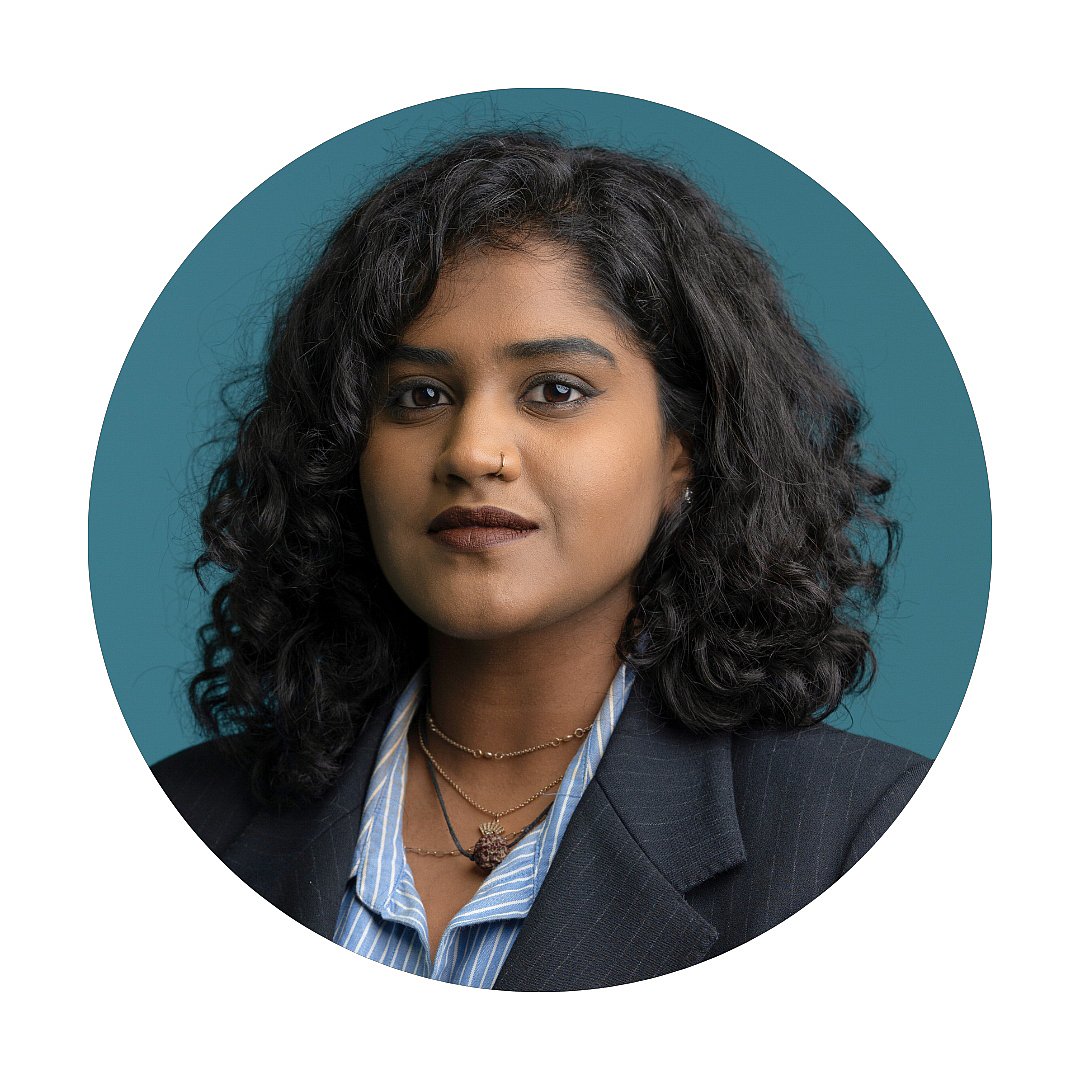
Nivetha Dayanand is Assistant Business Editor at Gulf News, covering aviation, financial markets and commodities. A business and financial journalist with a strong interest in multimedia storytelling, she regularly takes complex financial and economic subjects beyond the written word, producing explainer videos that make them easier for a wider audience to understand. Nivetha has interviewed senior policymakers, business leaders and global financial figures both on and off camera. Her past guests include UAE Minister of Economy and Tourism Abdulla bin Touq Al Marri, Khaled bin Alwaleed Al Saud, a member of the House of Saud and the founder and CEO of KBW Ventures, Jihad Azour, Director of the Middle East and Central Asia Department at the International Monetary Fund and Indian ministers Hardeep Singh Puri and N. Chandrababu Naidu. She has also hosted and moderated panels, conferences and awards shows, bringing her newsroom experience to live conversations on business, finance and the economy. An Erasmus Mundus journalism alum, Nivetha is drawn to stories that affect people directly and to reporting that gives a platform to voices that might otherwise go unheard. She was among the first journalists to speak to Petrofac employees in the UAE about unpaid salaries, broke the news of the planned demolition of Dubai’s well-known “Toyota Building”, and helped set the record straight on widely circulated claims that a giant replica of the Moon was coming to Dubai. More recently, her exclusive interview with EDGE Group CEO Hamad Al Marar revealed how the UAE-based defence group deployed its systems along the country’s shore border and established a geofence around the UAE within 48 hours of the February 28 escalation. Prior to joining Gulf News, Nivetha worked at ITP Media, where she helped launch Finance Middle East, a new publication covering the region’s financial sector. Her role spanned reporting and editing, video production, interviews and events. Across print, digital, and video, she focuses on finding the people behind business stories and explaining why those stories matter to the audience reading or watching them.
Sign up for the Daily Briefing
Get the latest news and updates straight to your inbox
Network Links
GN StoreAbout Gulf NewsTerms & ConditionsReach by GNSitemapContact usPrivacy PolicyGN FocusHave your sayWork with usAdvertise with usGulf News epaperPrinting Services
Download our app
© Al Nisr Publishing LLC 2026. All rights reserved.