UAE distributes over Dh46 billion in VAT and excise revenues after 15% rise
VAT and excise collections rose 15% in 2025, says Ministry of Finance
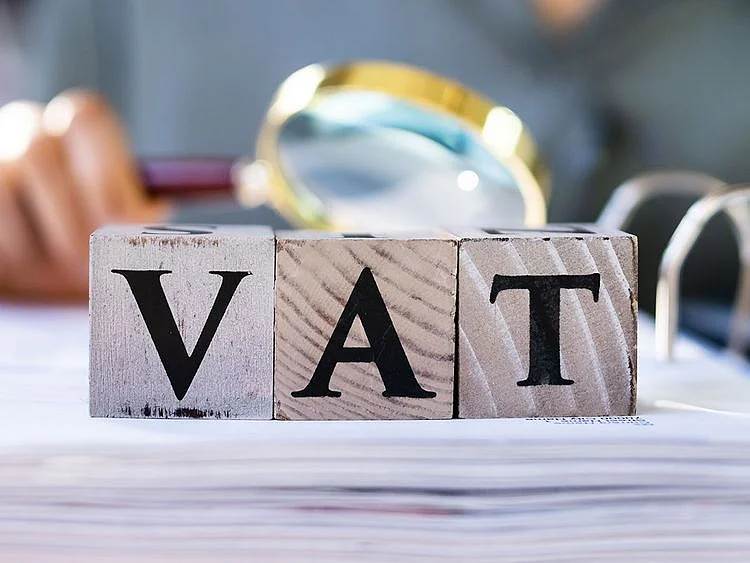
Dubai: The UAE distributed more than Dh46 billion in Value Added Tax and Excise Tax revenues to federal and local governments by the end of 2025, marking a 15% increase from the previous year, the Ministry of Finance said on Tuesday.
Get updated faster and for FREE: Download the Gulf News app now - simply click here.
The figure compares with about Dh41 billion in 2024 and points to a steady rise in non-oil government revenues, giving federal and emirate-level authorities a broader base to fund services, infrastructure and long-term development priorities.
Non-oil revenue base grows
VAT and Excise Tax have become important contributors to public finances since their introduction, helping the UAE diversify government revenue sources beyond hydrocarbons.
The latest numbers show how the tax system is now feeding into both federal and local budgets, with distributed revenues supporting fiscal stability while giving governments more visibility for planning.
Mohamed bin Hadi Al Hussaini, Minister of State for Financial Affairs, said the growth in tax revenues reflects the strength of the UAE’s fiscal approach and its ability to maintain stable government resources that support economic and development priorities in the years ahead.
He added that the financial data highlights the maturity of the UAE’s fiscal and tax framework, along with the transparency and discipline guiding the management of public resources.
Stronger fiscal planning
The Ministry of Finance said it is working closely with federal and local entities to improve the management of public revenues and strengthen the readiness of fiscal policies to respond to economic growth and future developments.
Also Read
UAE tax rule changes from 2026: 5 updates businesses need to knowNew UAE tax rules from 2026: What the changes really mean, who they benefitUAE to introduce VAT rule changes from January 2026UAE introduces changes to tax rules starting January 2026This is important because tax revenues are distributed across different levels of government, making clear revenue management essential for budgeting, planning and public-sector delivery.
Al Hussaini said tax revenues represent a key contributor to public finances within an institutional framework based on coordination, discipline and clearly defined roles.
He said the continued strengthening of this framework supports the UAE’s development agenda and reinforces the competitiveness of the national economy.
Why the numbers matter
The 15% increase shows that the UAE’s tax base is becoming a more established part of public finance, even as the country continues to position itself as a low-tax economy for businesses and residents.
The broader impact is linked to how these revenues support government spending on public services, infrastructure, economic programmes and fiscal resilience.
The Ministry said the increase also reflects the government’s ability to build sustainable revenue streams that support long-term fiscal balance, while maintaining the financial flexibility needed to respond to growth opportunities and future economic shifts.

Sign up for the Daily Briefing
Get the latest news and updates straight to your inbox
Network Links
GN StoreDownload our app
© Al Nisr Publishing LLC 2026. All rights reserved.