New UAE sugar tax: Sweet drinks need certificates or face higher tax
New tiered excise tax from Jan 1 links sugar levels to how much tax drinks attract
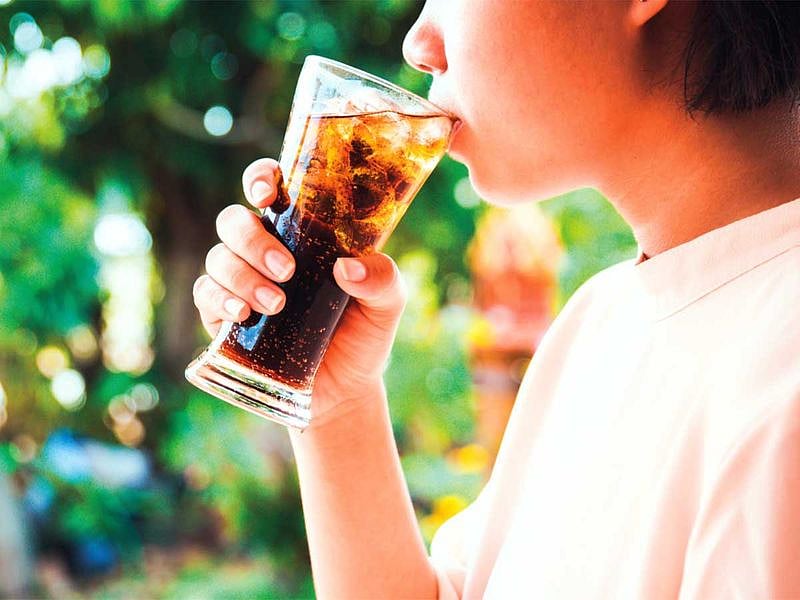
Dubai: From January 1, 2026, all producers, importers and stockpilers of sweetened drinks in the UAE must obtain a mandatory sugar conformity certificate — or risk their products being taxed at the highest excise rate, the Federal Tax Authority (FTA) confirmed Monday.
The FTA said businesses must secure the “Emirates Conformity Certificate for Sugar and Sweeteners Content in Beverages (for Excise Tax purposes)” via the Ministry of Industry and Advanced Technology’s website.
To obtain the certificate, companies must first conduct laboratory testing at a UAE-accredited lab listed by the National Accreditation Department or the Emirates International Accreditation Centre.
Once issued, the certificate must be submitted to the FTA through the EmaraTax platform when registering or updating a drink product.
No certificate?
The FTA warned that, without this certificate, beverages will be automatically classified as “high sugar” — even if they are not.
This means they will be taxed at the highest excise rate until a valid laboratory report proves the sugar content is below the threshold. For businesses, this could mean higher tax bills, pricing pressure, and potential delays in product registration or imports.
What is changing from January 1, 2026?
The new rule comes as the UAE rolls out a new excise tax system for sweetened drinks, known as the “tiered-volumetric model.”
Instead of a fixed tax rate, the excise tax will now be calculated per litre, based on how much sugar or sweetener a drink contains per 100 ml.
The system is introduced under Cabinet Decision No. 197 of 2025, alongside amendments to the Excise Tax law.
Why is UAE changing sugar tax
The FTA said the move supports national efforts to reduce sugar consumption and tackle non-communicable diseases linked to unhealthy diets.
By linking tax directly to sugar content, authorities aim to:
Encourage healthier product formulations
Push companies to reduce sugar levels
Give consumers clearer signals through pricing
Four sugar categories — and what they mean
Under the new model, sweetened drinks fall into four tax bands:
High-sugar drinks
8g or more sugar per 100 ml
Excise tax: Dh1.09 per litre
Moderate-sugar drinks
5g to less than 8g per 100 ml
Excise tax: Dh0.79 per litre
Low-sugar drinks
Less than 5g per 100 ml
Excise tax: Dh0 per litre
Artificially sweetened drinks
Artificial sweeteners only, or under 5g sugar per 100 ml
Excise tax: Dh0 per litre
What drinks are covered?
The tax applies to all sweetened drinks with added sugar or sweeteners, including:
Ready-to-drink beverages
Concentrates, powders, gels and extracts
Products that can be mixed or diluted
Drinks containing only natural sugar, with no added sweeteners will not be taxed.
For non-ready-to-drink products, businesses must also provide details on the serving size and total servings, based on label instructions.
Carbonated, energy drinks: What changes
Carbonated drinks will no longer be taxed as a separate category. Tax will depend purely on sugar content. Meanwhile, energy drinks remain unchanged and will continue to attract 100 per cent excise tax, outside the new model
What businesses should do now
The FTA urged companies to prepare early by: testing products at accredited laboratories, applying for conformity certificates, and updating product registrations on EmaraTax. Failure to comply could result in higher taxes, disrupted imports, or registration suspensions, said FTA.
Sign up for the Daily Briefing
Get the latest news and updates straight to your inbox
Network Links
GN StoreDownload our app
© Al Nisr Publishing LLC 2026. All rights reserved.