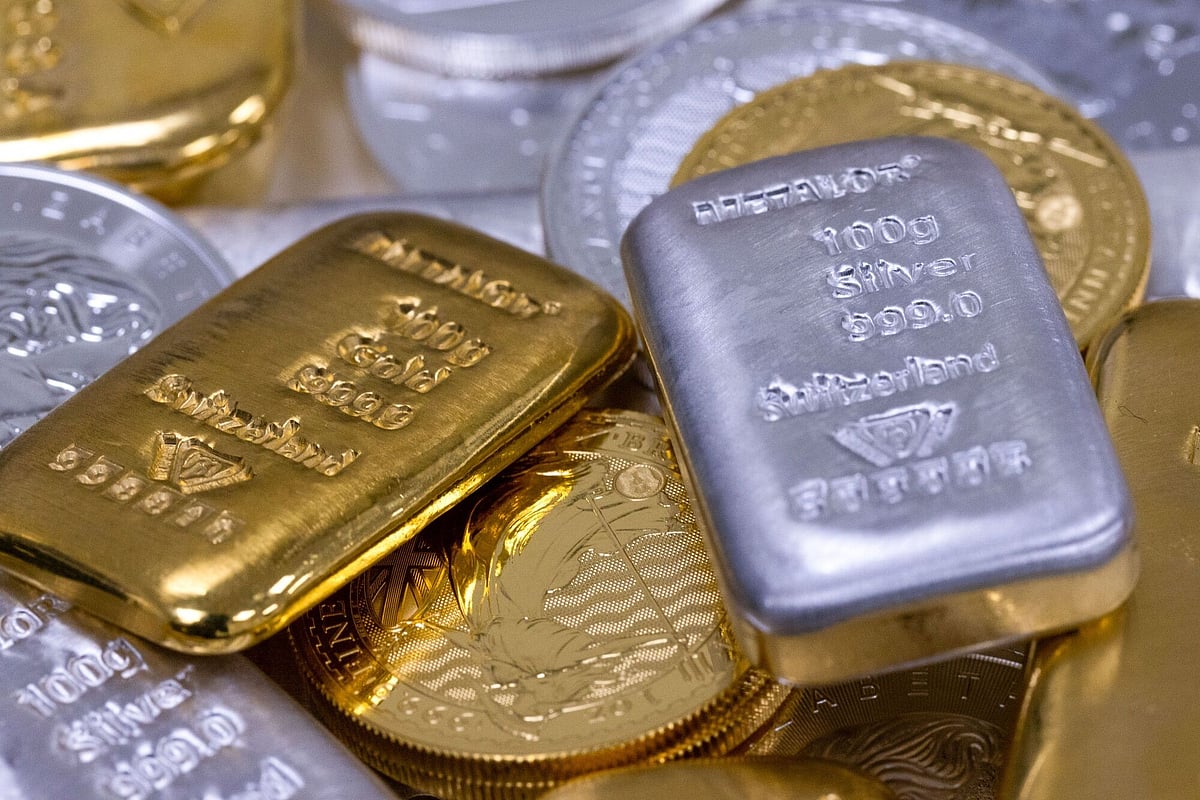
Dubai: Gold prices in Dubai held steady for the second consecutive session on Thursday, with 24-karat gold trading at Dh507 per gram and 22-karat at Dh469.50. This stability comes amid a broader market narrative in which a historic surge in silver is capturing the attention of precious metals analysts worldwide.
The white metal is trading near an all-time high, supported by mounting bets that the US Federal Reserve will cut interest rates in its final policy meeting of the year, a move reinforced by new data showing a sharper-than-expected weakening in the US labour market.
Silver’s structural breakout
Silver has roughly doubled in value this year, outpacing gold's 60% gain, putting both metals on track for their best annual performances since 1979. A confluence of physical scarcity and a macroeconomic environment favourable to hard assets is driving this exceptional trajectory.
Ole Hansen, Head of Commodity Strategy at Saxo Bank, noted that the surge in silver is a reflection of a deep disconnect. "The current surge reflects a deep and widening disconnect between physical availability, amplified by a favourable macro backdrop and a market structure exposed to a squeeze," he stated.
The physical squeeze
The most immediate catalyst for the sharp price action can be traced to a dramatic tightening in the London physical market in October. Heavy and persistent drawdowns from London vaults, driven by strong demand from the US and India, have led to a collapse in "free-float" inventory, metal not tied up in long-term contracts or investment vehicles.
"As availability dwindled, silver lease rates spiked sharply, forcing those short physical to scramble for cover," Hansen explained. "With little metal available for prompt delivery, the squeeze dynamic intensified. This is the type of market where price becomes secondary; the priority becomes securing any available ounces."
Further compounding the supply shock, exchange-monitored silver stocks in Shanghai have plunged to their lowest level in a decade, fueled by robust industrial demand for green technology sectors, including photovoltaics and EV components. The addition of silver to the US Critical Minerals List in 2025 also created a "geographic bottleneck," removing metal from the global pool ahead of potential tariffs.
The gold-silver ratio
The broader macroeconomic environment is acting as a strong accelerant for both metals. With swap traders now pricing in a near-certain quarter-point rate reduction at the Fed’s December meeting, the opportunity cost of holding non-yielding assets like gold and silver is decreasing.
Hansen sees this as a decisive shift. "The Federal Reserve’s pivot toward a lower-rate trajectory has and will continue lowering the opportunity cost of holding a non-yielding asset like silver," he said, adding that institutional buyers are increasingly seeking hard assets to hedge against persistent inflation and the risk of a debt spiral.
Silver's outperformance has driven the gold-silver ratio to around 74.5, nearing the key technical support level of 73. Hansen warns that a break below this level could signal an extension towards the 2001 low of 65.
"Silver’s break above resistance-now-support at $54.50 has pushed it into uncharted territory," Hansen noted. "Silver is no longer trading a story of potential tightness. It is trading the reality of it."

Sign up for the Daily Briefing
Get the latest news and updates straight to your inbox
Network Links
GN StoreDownload our app
© Al Nisr Publishing LLC 2026. All rights reserved.