My Business: How a long search for a home in Dubai sparked the idea behind Mifta
From WhatsApp chats to one app, how Mifta is reshaping Dubai’s rental journey
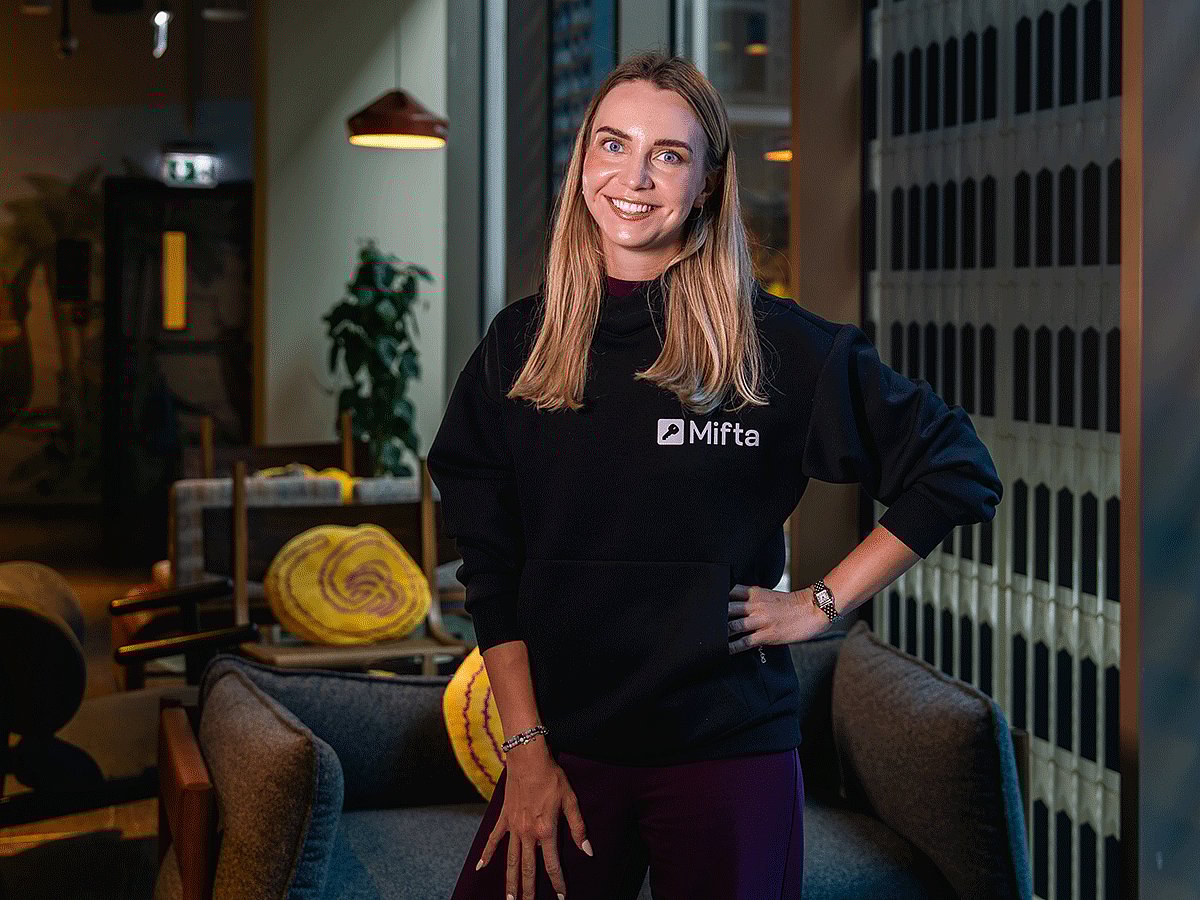
Dubai: When Natalia Dobrynina moved to Dubai, she found herself navigating a rental process dominated by WhatsApp messages, repeated agent calls and conflicting advice on basic requirements such as Ejari.
“It took me more than six months to find a place I liked,” Dobrynina said. “Even signing a one-year contract felt unclear in the beginning, and everyone I asked gave different advice.”
That experience became the foundation for Mifta, a rental platform designed to consolidate the entire leasing journey into a single app. Users can search for apartments, self-view properties, make offers, pay and sign Ejari digitally, all in one place. The platform also works with brokerages, property managers and developers to automate leasing infrastructure on the supply side.
Seeing the gap in a digital city
Dobrynina said the disconnect struck her immediately. Dubai, she noted, has super apps for food, transport and on-demand delivery at any hour, yet finding a home remains fragmented.
“You end up talking to dozens of agents just to understand what’s actually available before you view anything,” she said. “I realised the experience was exhausting not only for tenants, but for agents too.”
Having lived in the US, she had seen how transparent and efficient renting could be when technology reduced friction. Mifta was built to apply that same logic to Dubai’s market, removing guesswork while keeping the process human.
A journey shaped by resilience
For Dobrynina, building Mifta is part of a longer personal journey. She grew up in a small town called Mozhaiskoe before moving through Moscow, San Francisco and Silicon Valley, eventually landing in Dubai to build a company from scratch.
“The journey itself feels surreal, almost like a movie,” she said. “It’s a reminder that if you truly want something and keep going, anything is possible.”
That belief was tested early. Partnerships fell through, plans changed overnight and uncertainty became a constant companion. The lesson, she said, was learning to prioritise momentum over perfection.
“Keep moving,” Dobrynina said. “Every challenge sharpens your judgment, and every setback forces you to build something stronger.”
Backed by the UAE ecosystem
Mifta’s early progress has been shaped by support from the UAE’s startup ecosystem. The company is backed by Antler, one of the world’s most active pre-seed investors, through a programme supported by the Dubai Future Foundation. Mifta now operates from Dubai Founders Headquarters, where Dobrynina said the value goes beyond office space.
“We found a community, mentorship and the sense that we’re building in a country that genuinely wants us to succeed,” she said.
Support from the PropTech Business Group also helped Mifta expand its network across the real estate ecosystem, opening doors to partners and early adopters.
Also Read
My Business: How a father-son team turned a hospital-bound dream into Dubai’s leading VR academyMy Business: How a childhood obsession with cars shaped a UAE entrepreneur’s success storyMy Business: How one renovation crisis sparked a tech platform now reshaping a $40 billion marketMy Business: How a mother turned her son’s medical journey into a UAE VR emotional-recovery toolFunding and growth plans
Since launching less than six months ago, Mifta has grown quickly and attracted interest from angel investors and regional funds. For now, the focus remains on scaling the platform and deepening partnerships, with additional fundraising planned at the right moment.
Dobrynina brings experience from her previous role as head of investor relations at a US construction-technology startup backed by Y Combinator, Saudi Aramco and Khosla Ventures. There, she helped raise $70 million and secure partnerships across the Middle East, experience she now applies to building Mifta.
Looking five years ahead
Dobrynina envisions Mifta evolving into an AI-powered, end-to-end rental platform operating across the Gulf and Europe. The ambition, she said, is to make long-term renting feel as simple and on-demand as everyday digital services.
“More importantly, we are building Mifta to envision a world where humans still sense belonging in a landscape increasingly shaped by AI and technology,” she said.
Advice for new founders
Her advice to aspiring entrepreneurs is to choose partners carefully, she said, and make sure the relationship works beyond business plans and pitch decks.
“You must genuinely enjoy working with your partners,” Dobrynina said. “It’s an all-day, every-day relationship.”
Above all, she encourages founders to start before they feel ready. “You don’t need all the answers,” she said. “If you’re meant to build something, the path reveals itself as you walk it. Action creates clarity.”
That mindset, she added, was shaped long before startups entered her vocabulary. Her father ran a small construction materials business alongside a factory job for years before taking the leap full time.
“Only recently did I realise how much risk that took,” Dobrynina said. “Watching him build something from scratch taught me that consistent effort, day after day, can move mountains.”

Sign up for the Daily Briefing
Get the latest news and updates straight to your inbox
Network Links
GN StoreDownload our app
© Al Nisr Publishing LLC 2026. All rights reserved.