With high-performing listings guiding sentiment, the UAE’s next IPO wave could benefit more people
Strong post-IPO performers lift confidence as the UAE prepares for a wave of listings
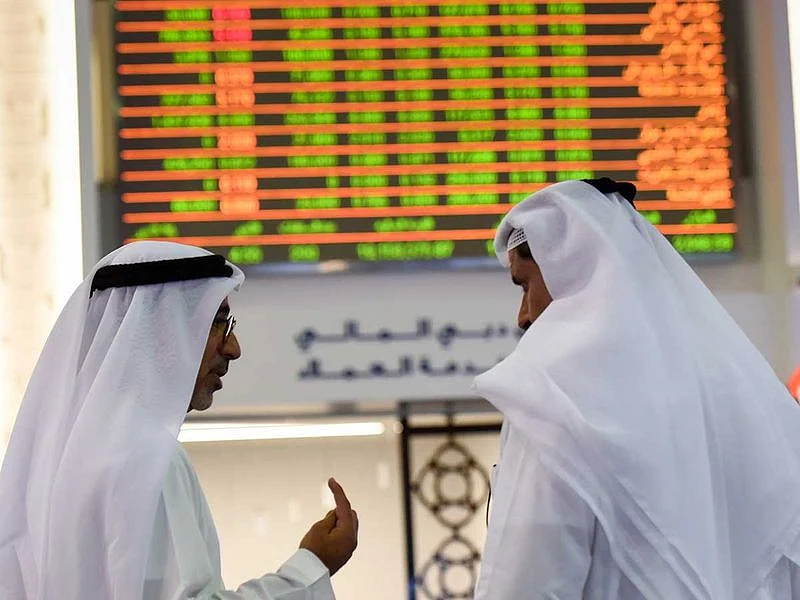
Dubai: The flurry of initial public offerings (IPOs) on the Abu Dhabi Securities Exchange (ADX) and the Dubai Financial Market (DFM) has been a defining feature of the UAE’s capital markets over the past five years. Driven largely by state-led privatisations, these offerings have frequently attracted remarkable oversubscription levels, with ADNOC Gas and Parkin both seeing figures exceeding 50x and 165x, respectively.
However, a senior analyst warns that initial euphoria is not a reliable metric for long-term value.
“However, this initial hype has not always translated into consistent long-term outperformance,” noted Hani Abuagla, Senior Market Analyst at XTB MENA. While state-linked infrastructure and utility-style assets like Salik and Parkin have generally delivered robust returns and outperformed the MSCI UAE Index, listings in other sectors have lagged, with some now trading below their offer prices despite strong initial demand.
Essential services
The strongest post-IPO performance has been concentrated in state-linked companies operating in the energy, utilities, and regulated infrastructure sectors, including ADNOC Drilling, ADNOC Gas, Salik, and Parkin. This outperformance is not accidental but is rooted in powerful structural dynamics that ensure resilience and predictable cash flows.
Abuagla states that these businesses share key characteristics. “First, these businesses operate with very high barriers to entry, anchored by long-term government concession agreements that give them exclusive operating rights.”
These exclusive positions allow the companies to provide essential services, such as toll roads, gas infrastructure, and parking, where consumer demand is relatively inelastic. Their profitability is therefore closely linked to the UAE’s long-term GDP and population growth. This defensive nature is compounded by clear, progressive dividend policies, which provide investors with strong income visibility and act as a solid valuation anchor.
Market momentum and future sectors
Beyond the IPO market, the wider UAE stock market continues to demonstrate robust momentum. Top performers this year underscore the economy’s diversity. Union Properties has delivered a 91% return on the DFM, buoyed by Dubai’s real estate boom. Similarly, Amlak Finance has capitalised on the market surge with over 80% gains.
“One of the defining features of the UAE market this year has been the strength and resilience of local champions across key sectors such as real estate, banking and technology,” noted Farhan Badami, Business Development Manager at eToro. “As the country continues to invest in innovation, infrastructure and business-friendly reforms, we are seeing both local and international investors increasingly view the UAE as a core market in their portfolios, rather than a satellite exposure.”
In Abu Dhabi, Abu Dhabi Islamic Bank (ADIB) led the ADX banking sector with a 44% gain, while Presight AI delivered a 42% return, highlighting the UAE’s strategic focus on advanced technology and data analytics.
Looking ahead, the next IPO wave is expected to move beyond initial infrastructure names to incorporate private-sector champions and new strategic industries. Technology will be central, alongside Travel and Hospitality, with names like Etihad Airways and FIVE Holdings cited as potential candidates. Renewable Energy is also flagged as a strategic frontier, with Masdar reportedly weighing a possible listing.
Tips for retail investors
The intense demand for UAE IPOs often leads retail investors into common, costly errors. Abuagla highlighted a primary issue. “A primary error is investing based on market buzz, subscription figures, or informal price talk instead of doing proper research.”
Many participants fail to conduct fundamental analysis, often neglecting to review the official prospectus to understand the company’s business model, financials, or key risk factors. Furthermore, a particularly dangerous mistake in pursuit of a larger share allocation is relying on borrowed funds or margin loans. The analyst stressed the necessity of a pre-defined exit strategy, noting that many investors enter IPOs without a clear plan.
For investors seeking to navigate liquidity-driven cycles, the key is a rigorous focus on fundamentals. A fundamentally strong IPO combines a solid track record with transparent governance and visible contracted revenues at a reasonable valuation. Core filters for evaluation must include dividend visibility, corporate governance, and a sufficiently large free float.
Abuagla stated that dividend visibility is a primary return driver, citing names like Parkin and ADNOC Gas, which came to market with progressive payout policies. Free float is also critical, as a larger float enhances liquidity and is a necessary precondition for inclusion in global indices, which can unlock significant passive investment inflows.
Global factors remain a swing factor
The pace of the future IPO pipeline remains dependent on global macroeconomic conditions. The easing of global inflation and the commencement of rate-cutting cycles by major central banks could accelerate issuance by supporting risk appetite and compressing bond yields, pushing capital toward equities.
Conversely, renewed inflation shocks that force central banks to pause rate cuts, a global economic slowdown, or unexpected spikes in geopolitical risk could directly affect valuations and delay planned deals. For all investors, whether first-time or seasoned, green flags remain a simple business model, a consistent history of profitability, and healthy free cash flow, set against a realistic valuation relative to peers.

Sign up for the Daily Briefing
Get the latest news and updates straight to your inbox
Network Links
GN StoreDownload our app
© Al Nisr Publishing LLC 2026. All rights reserved.