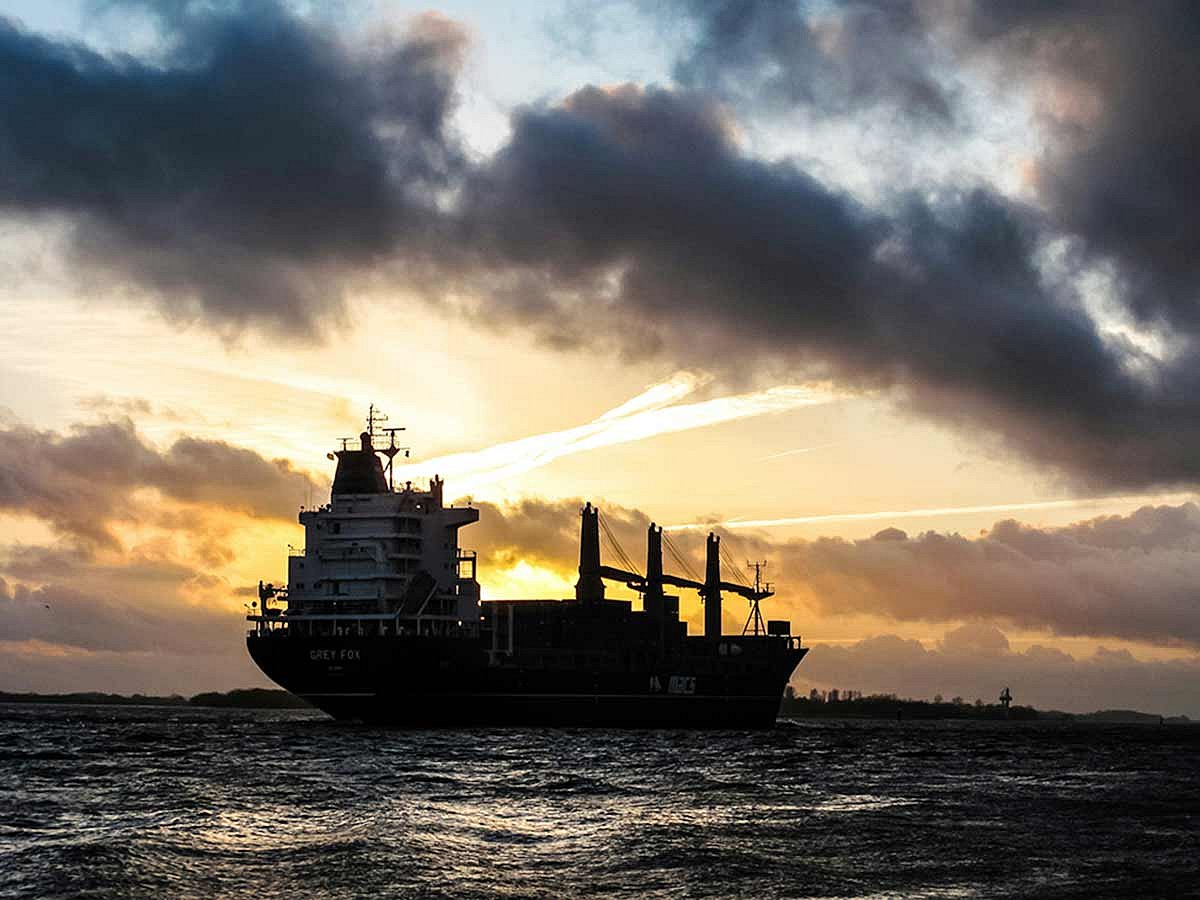
Dubai: Oil markets are signalling that prices will remain elevated despite a sharp pullback recorded on Wednesday, as a temporary ceasefire between the U.S. and Iran eases immediate fears but leaves deeper supply risks unresolved.
Get updated faster and for FREE: Download the Gulf News app now - simply click here.
West Texas Intermediate traded down 16.6%, while Brent Crude fell 15.9% and Murban crude dropped 18.9%. The decline follows Donald Trump announcing a two-week ceasefire and a pledge to restore navigation through the Strait of Hormuz, a route that carries about a fifth of global oil flows.
“Markets have been primed for this moment. Positioning had become defensive, volatility was elevated, and energy prices were reflecting worst-case assumptions. A pause, even a temporary one, releases that pressure very quickly,” said Nigel Green of deVere Group.
Geopolitical premium remains
The ceasefire, which pauses roughly 40 days of conflict, reduces immediate disruption risks. Iran has signalled conditional compliance, with Foreign Minister Abbas Araghchi indicating safe passage through Hormuz would be maintained during the truce.
Even so, markets continue to price in the risk of renewed disruption. “Oil is unlikely to return to previous lows quickly. The geopolitical premium is now embedded. Even with de-escalation, traders will price in the risk of renewed disruption,” Green added.
Crude remains significantly higher on the year following gains of more than 60% during the conflict. Traders are watching whether the two-week window leads to a broader agreement.
Upside risks dominate
Failure to do so could quickly reverse the current pullback.
$120–$130 seen if tensions persist
$150 or higher possible if disruptions deepen
“The longer this continues, the more the impact on oil prices... every passing week is crucial,” said Anindya Banerjee of Kotak Securities, in the run up to the ceasefire.
Estimates suggest disruptions could affect up to 10% of global oil supply and as much as 20% of gas flows. Spot crude continues to trade at a $20–$30 premium to futures, pointing to immediate supply tightness.
OPEC+ plans to raise output by 206,000 barrels per day from May, though analysts say the increase is unlikely to offset potential losses if flows through Hormuz are disrupted again. The group retains flexibility to adjust output if market conditions worsen.
Markets shift from relief to scrutiny
The ceasefire has triggered a relief rally across risk assets, but attention is quickly turning to compliance and diplomatic progress.
“A relief rally of this magnitude reflects how stretched sentiment had become. Investors were bracing for escalation that could have choked off a fifth of global oil supply. Remove even part of that threat and capital flows back into equities at speed,” Green said.
“Yet the mood remains one of cautious optimism rather than outright celebration. The ceasefire is only two weeks long, and markets will be watching closely to see whether shipping through the Strait of Hormuz normalizes as promised and whether the fragile truce can pave the way for a more durable peace agreement,” said Tim Waterer of KCM Trade.
For now, oil is trading less on fundamentals and more on geopolitical developments. The near-term drop reflects reduced immediate risk. The broader outlook still points to elevated prices unless a durable agreement emerges.

Sign up for the Daily Briefing
Get the latest news and updates straight to your inbox
Network Links
GN StoreDownload our app
© Al Nisr Publishing LLC 2026. All rights reserved.