UAE and US sign framework to secure critical minerals supply
New framework targets minerals vital to defence, tech and long-term industrial growth
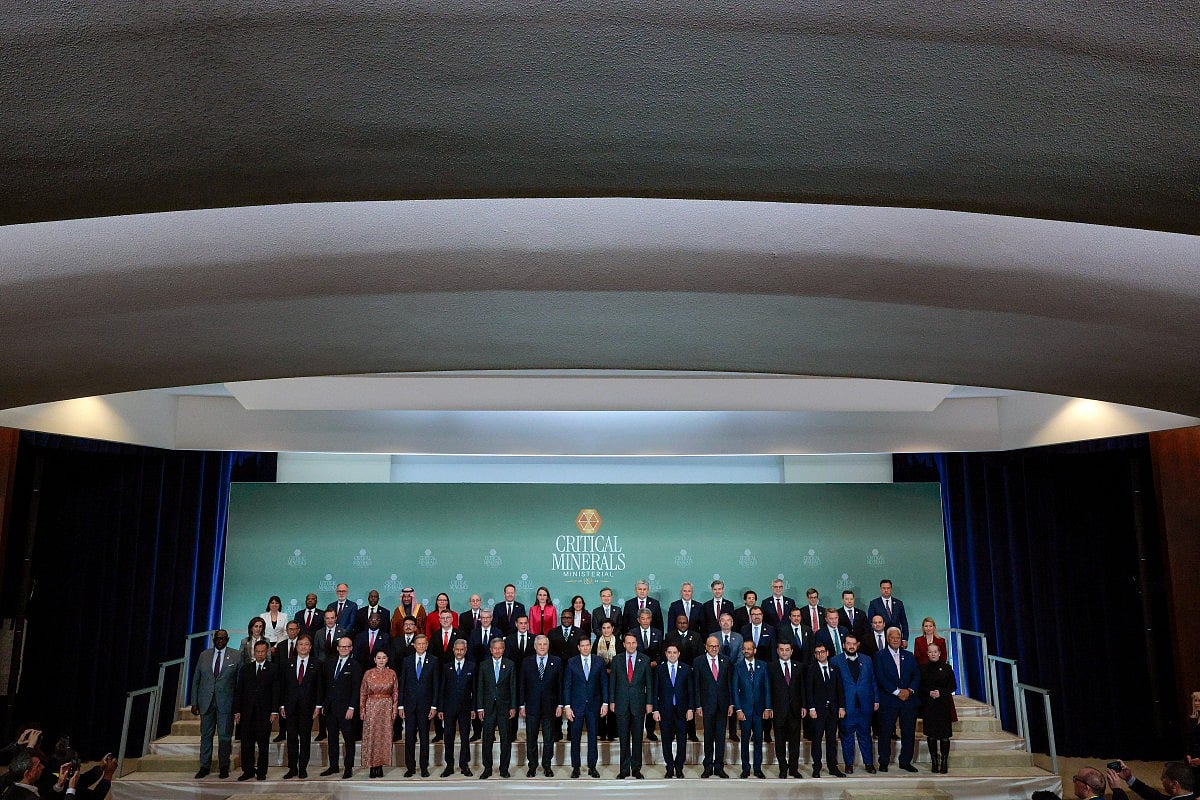
Dubai: The UAE and the US have signed a new framework aimed at securing the supply of critical minerals and rare earths.
The agreement was signed on the sidelines of the US Critical Minerals Ministerial in Washington, bringing together governments and industry leaders focused on strengthening supply chains essential to defence, advanced technologies and industrial resilience.
Investment-led approach to supply security
The framework sets out a coordinated plan to accelerate secure access to critical minerals across mining, processing, recycling and downstream manufacturing. It commits both countries to mobilising public and private investment, while also streamlining permitting processes and reinforcing safeguards against non-market practices that distort trade.
It draws on existing strengths in both markets, including industrial demand and stockpiling capacity in the United States and strategic reserves held by the UAE. Within six months, both sides intend to identify priority projects and take steps to provide financing for initiatives located in either country, with end products expected to serve buyers in both markets.
Also Read
UAE and US hold 11th Economic Policy DialogueWhat to know about the ‘Project Vault’ US strategic minerals reserveMajor move: UAE joins US-led Pax Silica alliance to secure AI, chip supply chainsSupport mechanisms outlined in the framework include financing, guarantees, equity investments, insurance, offtake arrangements and regulatory facilitation, signalling a push to move from policy alignment to execution on the ground.
Focus on resilience and transparency
Beyond investment, the agreement places emphasis on market resilience and transparency. Cooperation will extend to addressing unfair trade practices, exploring high-standard market mechanisms and working with international partners on pricing challenges that affect global supply chains.
The framework also covers collaboration on recycling technologies, improved handling of critical minerals scrap, geological mapping in mutually agreed locations and closer review of asset sales on national security grounds. Engagement with third countries is expected to further strengthen diversification and reduce single-source dependency.\
Mohamed Hassan Alsuwaidi, UAE Minister of Investment, said demand dynamics underline the urgency of coordinated action. “Critical minerals supply chains are inherently global, and unlocking their full potential requires coordinated action and sustained investment. As demand is expected to triple by 2030 and quadruple by 2040, maintaining investment momentum will be essential to meeting future needs and supporting resilient industrial growth,” he said.
He added that the partnership carries added weight given the scale of bilateral investment ties. “As the second-largest source of foreign investment into the UAE, our partnership with the US is critical in addressing global challenges, and this framework will support joint investment and the advancement of concrete projects across the critical minerals value chain.”
Jacob Helberg, US Under Secretary of State for Economic Affairs, described the framework as a reflection of the breadth of the relationship. “The United Arab Emirates is a key partner of the United States, a relationship further underscored by the UAE’s $1.4 trillion investment commitment in the US over the next decade,” he said.
“Our partnership is multi-layered and spans critical sectors, creating the foundation for transformative cooperation. This framework reflects our shared ability to work together across the most strategic industries, including critical minerals, to strengthen economic and national security.”
The signing reinforces the UAE’s broader push to position itself as a long-term partner in global supply chains, using investment, international cooperation and regulatory alignment to support economic security at home and abroad.

Sign up for the Daily Briefing
Get the latest news and updates straight to your inbox
Network Links
GN StoreDownload our app
© Al Nisr Publishing LLC 2026. All rights reserved.