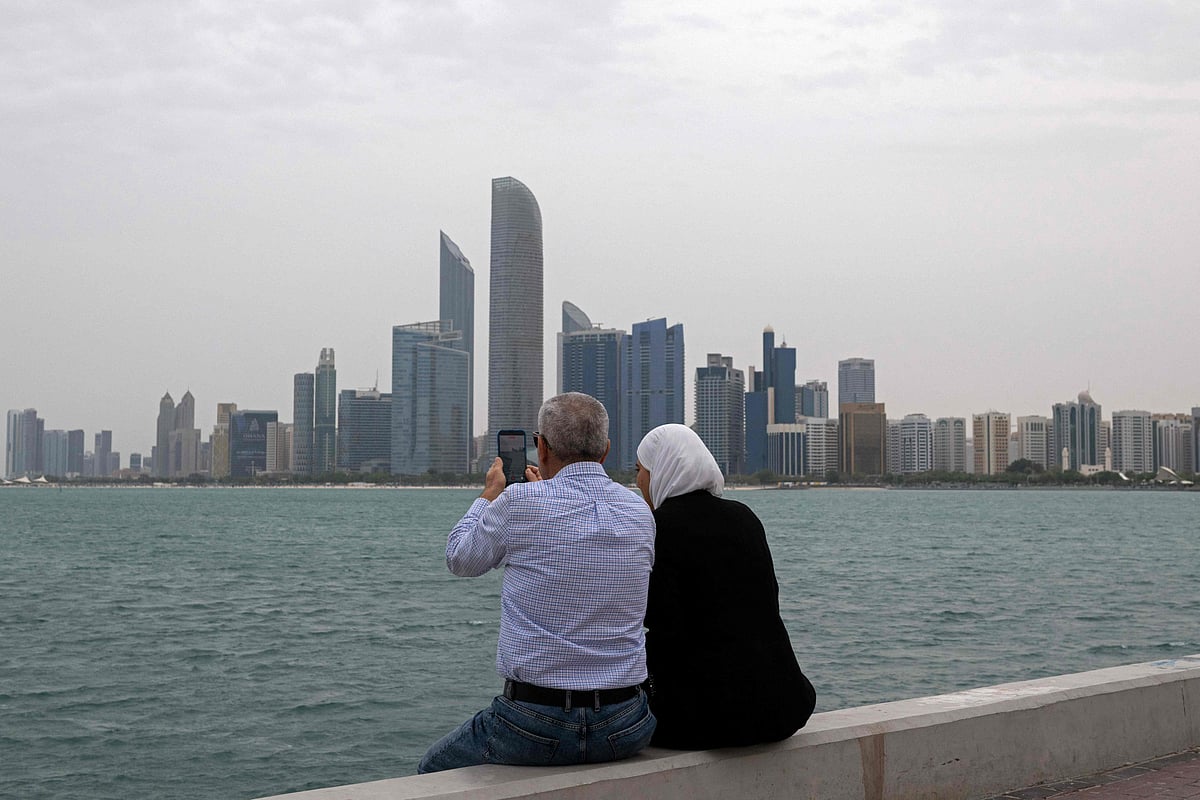
Dubai: Private capital activity is accelerating across the Middle East and Asia Pacific, with the Gulf moving firmly into focus for global investors and senior dealmakers.
Fresh data from Heidrick & Struggles shows 73% of professionals expect market opportunities to improve over the next 18 months, up from 60% a year earlier, pointing to a clear shift in sentiment as deal pipelines rebuild.
That momentum is translating into hiring demand. Global funds are expanding their presence in Riyadh and Abu Dhabi, turning both cities into key centres for senior leadership roles, while Dubai continues to anchor regional operations.
Get updated faster and for FREE: Download the Gulf News app now - simply click here.
Talent demand reshapes the map
The competition for experienced investment professionals is intensifying, particularly among firms with active capital deployment strategies.
Riyadh and Abu Dhabi are now attracting a growing share of senior hires, reflecting stronger fundraising activity and a push to deepen on-the-ground leadership. The shift marks a broader expansion of the region’s talent footprint, which had long been centred on Dubai.
Across Asia Pacific, Hong Kong and Singapore remain critical bases for regional leadership. “Hong Kong and Singapore continue to serve as key headquarters for APAC private capital, with executives leading deals across the region rather than just their home markets,” said Guillaume Lévi, Partner at Heidrick & Struggles.
Also Read
Private markets draw more Middle East capital as companies stay privateAI talent is reshaping hiring, pay and career paths across the GulfMiddle East M&A jumps 260% in 2025 driven by diversification pushPay rises gather pace
Compensation is rising in tandem with demand. Sixty-eight percent of respondents reported higher base salaries in 2025, while 66% saw an increase in bonuses, reflecting stronger fund performance and renewed deal activity.
Nearly four in five expect base pay to climb further over the next 18 months, reinforcing expectations that competition for talent will remain tight.
Senior roles are seeing the biggest gains. Managing partners earned average total cash compensation of $750,000 in 2025, up from $624,000 a year earlier, with bonus-linked payouts driving much of the increase.
In key Asian hubs, pay levels are even higher. Managing partners in Hong Kong and Singapore reported average compensation of $891,000, supported by stronger bonus pools tied to performance.
Long-term incentives drive earnings
Long-term incentives continue to shape overall earnings, with carry and equity playing a central role in aligning senior executives with fund performance.
Carry allocations in Hong Kong and Singapore average $5.487 million, highlighting the scale of long-term wealth creation tied to successful investments.
Pay structures also vary by role and strategy. Professionals focused on infrastructure, real estate and credit are earning above-average compensation, while investor relations and fundraising roles tend to sit below the mean.
Why firms are paying more
Firms are paying a premium for proven execution and regional expertise as capital deployment gathers pace.
“The upward trend in compensation reflects not only strong fund performance across APAC and the Middle East but also intensified competition for senior talent,” said Shadi El Farr, Regional Managing Partner at Heidrick & Struggles.
He added that firms are placing greater emphasis on attracting leaders with deep relationships and a track record of delivering returns, particularly in fast-growing markets.
What it means for the region
The surge in hiring and pay points to a broader shift in how global capital is positioning itself across the Middle East.
Capital is flowing first into infrastructure, followed by private debt, real estate and private equity, with policy stability and long-term investment frameworks drawing international funds into the region.
Opportunities are expanding at the top end of the market, while competition is tightening for those without strong deal experience or track records.
Sign up for the Daily Briefing
Get the latest news and updates straight to your inbox
Network Links
GN StoreDownload our app
© Al Nisr Publishing LLC 2026. All rights reserved.