Peso weakens to new low versus UAE dirham as oil prices jolts currency markets
Peso slides to new low while central bank steps in to steady markets
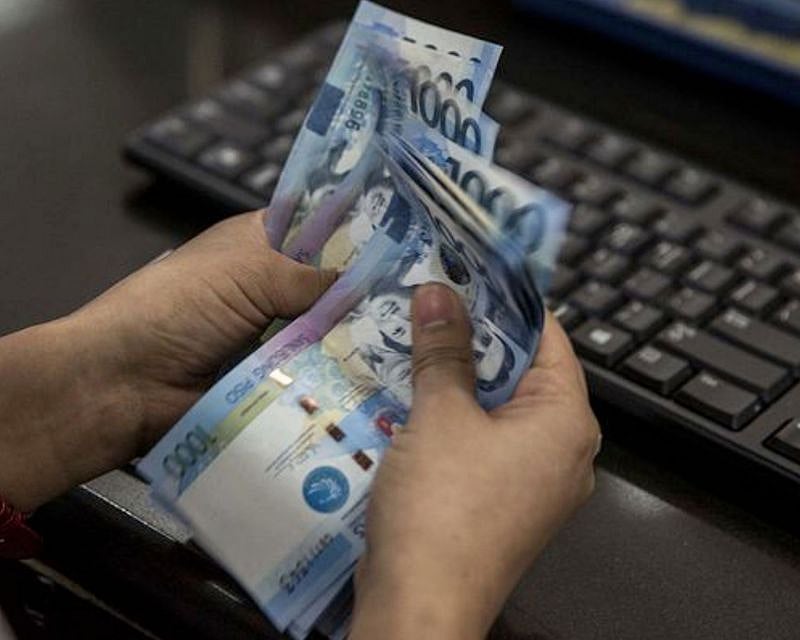
Dubai: The Philippine peso fell to a record low against the UAE dirham on Monday morning, reflecting mounting pressure on emerging market currencies amid volatile energy markets and growing global uncertainty. (Check live forex rates here)
The peso stood at 16.24 against Dh1 at around 9.45 am, marking the weakest level recorded against the dirham and highlighting the sharp depreciation that has unfolded through March.
The latest drop comes at a time when global oil markets have surged beyond $100 a barrel following escalating geopolitical tensions in the Middle East, a development that is particularly damaging for fuel-importing economies such as the Philippines.
Stay updated: Get the latest faster by downloading the Gulf News app - it's completely free. Click here for Apple or here for Android. You can also find it on the Huawei AppGallery.
Currency slide accelerates
Currency movements through the past month illustrate a steady weakening trend. The peso stood at 16.21 per dirham between March 13 and March 15, before weakening further to 16.24 on March 16. Only a week earlier, the exchange rate hovered near 15.96 on March 10, while levels around 16.04 were recorded on March 11 and 16.1 on March 12.
Earlier in the month, the peso traded closer to 15.9 on March 5 and 15.88 on March 4, while levels around 15.84 and 15.78 were seen on March 3 and March 2, respectively. At the start of March, the rate stood at 15.63, which was largely unchanged from the final days of February.
During the second half of February, the peso traded within a tighter band, fluctuating between 15.51 and 15.77, before beginning a gradual slide that accelerated in early March.
The movement reflects mounting pressure from higher energy costs and global risk sentiment, which have pushed investors toward the US dollar.
Also Read
Philippine peso slides to multi-month lows against dirham, boosting UAE remittancesIndian rupee sinks to record low against UAE dirham as oil surge rattles marketsCentral bank steps in
Pressure on the currency has also been visible in the broader foreign exchange market where the peso approached a key psychological level against the US dollar.
The currency fell as much as 0.3% to 59.94 per dollar, nearing a record low before stabilising after intervention by the central bank.
“Since the dollar is down, I assume some intervention can push the peso back down below 60,” said Bangko Sentral ng Pilipinas Governor Eli Remolona Jr., confirming that authorities had stepped into the market to steady the currency.
Government officials in Manila have been monitoring the situation closely. The 60-per-dollar threshold has long been viewed as an important line for policymakers, with President Ferdinand Marcos Jr. signalling earlier this year that he does not want the peso to weaken to that level.
Oil prices add fresh pressure
Energy markets remain the main driver of currency weakness. Brent crude has climbed above $100 a barrel, extending gains amid supply disruptions linked to the Iran conflict and renewed tensions around shipping routes in the Gulf.
The Philippines relies heavily on imported fuel, making the peso particularly sensitive to higher oil prices that widen the country’s trade deficit.
The central bank has previously warned that persistently high oil prices could force policymakers to reconsider the interest rate outlook. Remolona said earlier this month that crude prices remaining above $100 a barrel could trigger a rate hike if inflation pressures intensify.
- With inputs from Bloomberg.

Sign up for the Daily Briefing
Get the latest news and updates straight to your inbox
Network Links
GN StoreDownload our app
© Al Nisr Publishing LLC 2026. All rights reserved.