GCC trade talks with EU must stay focused on business: Jasem Al Budaiwi
GCC signals firm stance against political clauses in EU trade negotiations
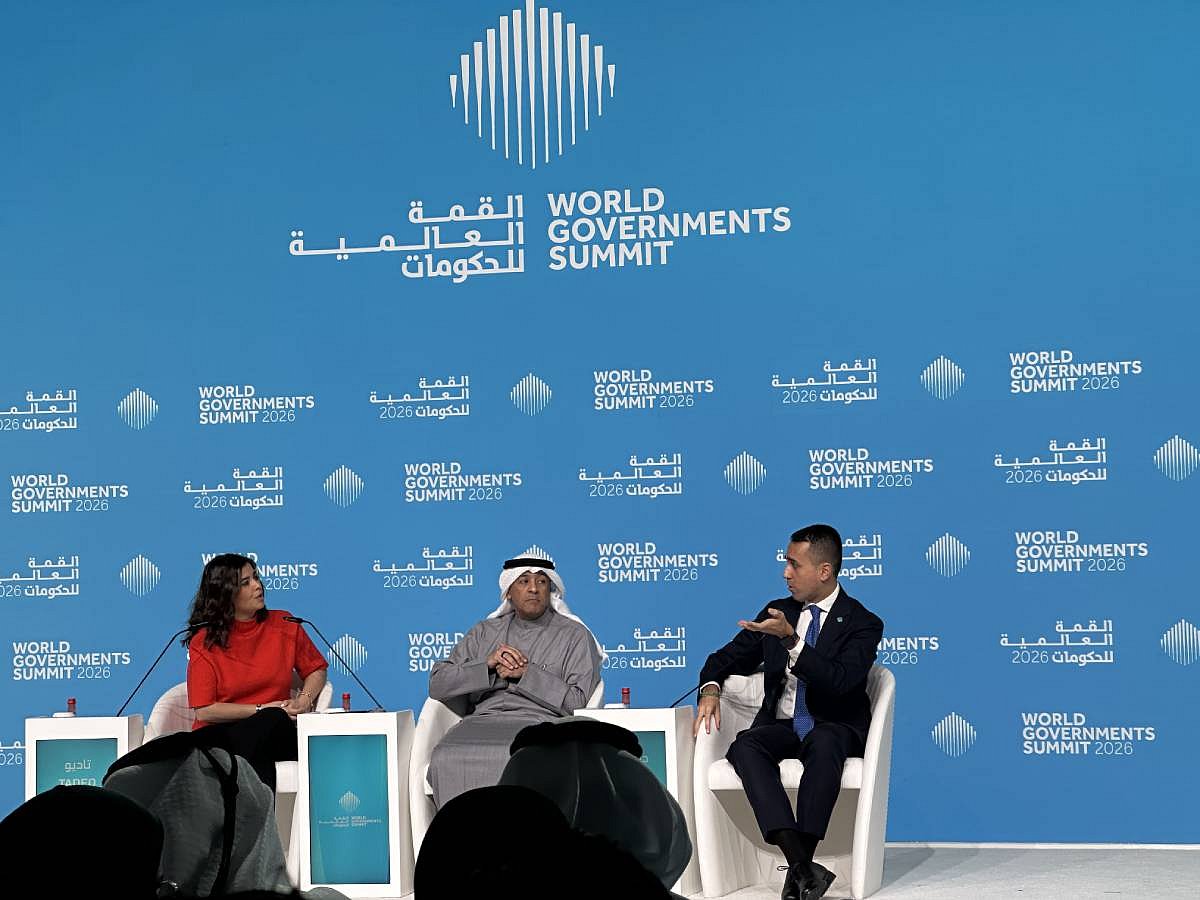
Dubai: The Gulf Cooperation Council has sharpened its position on trade negotiations with the European Union, calling for a clear separation between commercial agreements and political or value-based conditions, as talks over a long-stalled free trade agreement gain renewed momentum ahead of 2026.
Speaking during a high-level discussion on future trade and capital flows, Jasem Al Budaiwi, Secretary General, General Secretariat of the Gulf Cooperation Council (GCC) said trade discussions should remain focused on economic exchange, signalling growing resistance within the bloc to clauses that extend beyond tariffs, market access, and services.
“The main purpose of the FTA is to chaperone this relationship,” Al Budaiwi said. “It is business to business, trade to trade.” He added that introducing issues unrelated to commerce into negotiations had repeatedly slowed progress, describing such additions as a key reason talks had remained stalled since 2008.
Long relationship, limited outcomes
The GCC and the European Union signed a cooperation agreement in 1988, marking one of the bloc’s earliest external partnerships. Yet despite decades of engagement, a comprehensive free trade agreement has failed to materialise. Al Budaiwi said the GCC views 2026 as a decisive year, following years of discussions that have yet to translate into concrete outcomes.
Trade between the two sides reached $197 billion in 2024, accounting for about 12% of the GCC’s total trade. Al Budaiwi said that figure could rise to $300 billion within three to four years if tariffs were lowered and services facilitated under an agreement.
EU acknowledges bottlenecks
Luigi Di Maio, Special Representative of the Gulf Region, European Union (EU), acknowledged that the relationship lacked institutional depth until recently. He said there had been no leaders’ summit, no structured security dialogue, and no formal EU chamber of commerce in the Gulf until the past few years.
“First of all, we had to build the foundations,” Di Maio said, adding that technical teams from both sides had met several times over the past year to revive the trade talks.
He said the next phase required engagement at the political level to address outstanding obstacles, while noting that the EU operates under a common trade policy that applies across its 27 member states.
Tension over scope of trade agreements
A central point of friction remains the scope of modern trade agreements. Al Budaiwi said the GCC had concluded or advanced several FTAs with other partners without the inclusion of non-trade issues, and expressed concern when similar clauses were introduced in EU discussions.
“When we discuss trade, we would like to discuss trade,” he said. “To introduce other issues and put them on the table does not encourage us to move forward.”
Di Maio said negotiations often involve compromise, noting that European companies seek clearer procurement rules, harmonised customs procedures, and stable energy frameworks. He said similar standards had been agreed in recent EU trade deals with India, Indonesia, and Mercosur.
2026 seen as test year
Both sides described the current moment as one of opportunity, shaped by shifting global trade dynamics and heightened geopolitical risk. Di Maio said disruptions to traditional global trade rules and recent US tariff policies had accelerated the push for new agreements.
Al Budaiwi declined to predict an outcome, describing the chances of a GCC-EU FTA in 2026 as “50-50,” while reiterating his preference for a bloc-to-bloc agreement that strengthens collective negotiating power.
Whether that momentum delivers a breakthrough will depend on how far both sides are willing to narrow the scope of negotiations and move from technical discussions to political decisions in the months ahead.

Sign up for the Daily Briefing
Get the latest news and updates straight to your inbox
Network Links
GN StoreDownload our app
© Al Nisr Publishing LLC 2026. All rights reserved.