Kunal Shah to steer WhatsApp as Meta doubles down on India and fintech bets
From Shah to Nadella: Indian-origin CEOs running some of the world’s biggest companies
From Microsoft to Google and Chanel, Indian-origin leaders are running global giants
Last updated:
6 MIN READ
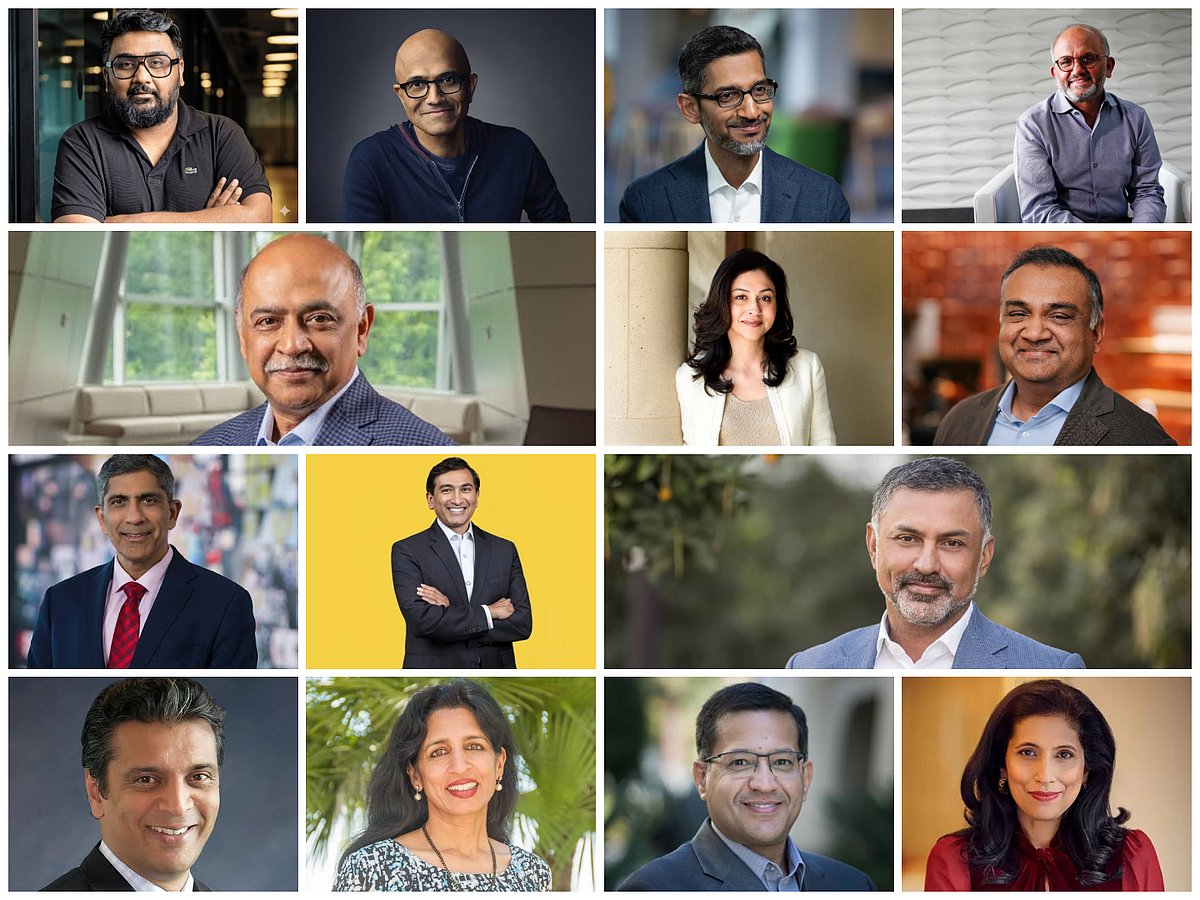
Dubai: Kunal Shah’s appointment to lead WhatsApp has added a new name to the growing list of Indian-origin executives running some of the world’s most influential companies.
Until recently, Shah was best known within India’s startup and investor circles as the founder of fintech company Cred and co-founder of FreeCharge. His move to WhatsApp changes that. He now steps into a global role at one of the world’s largest consumer platforms, with more than three billion users worldwide.
Get updated faster and for FREE: Download the Gulf News app now - simply click here.
Indian-origin executives have long held top roles at companies such as Microsoft, Google, Adobe, IBM and Chanel, shaping global technology, luxury, logistics, consumer goods and cybersecurity. Shah’s entry stands out because he comes from India’s startup ecosystem, rather than the more familiar route of rising through a large multinational over decades.
Here are some of the top Indian-origin leaders running major global companies.
1. Kunal Shah, WhatsApp
Kunal Shah is the newest entrant to the list after Meta appointed him to lead WhatsApp, placing him in charge of a platform used by billions of people across messaging, business services, payments and AI-powered products.
Raised in Mumbai, Shah studied philosophy and built his career outside the traditional engineering and management routes followed by many Indian technology leaders. His first major breakthrough came with FreeCharge, the mobile recharge platform he co-founded in 2010, which was later acquired by Snapdeal in 2015 in one of India’s major startup deals at the time.
He later founded Cred in 2018, building a fintech brand around rewarding users for paying credit card bills on time. Cred expanded into lending, insurance, commerce and wealth management, while Shah became a familiar voice in India’s startup ecosystem through his views on trust, incentives, wealth creation and consumer behaviour.
Microsoft CEO Satya Nadella gestures as he speaks during the World Economic Forum (WEF) annual meeting in Davos on January 20, 2026.
2. Satya Nadella, Microsoft
Satya Nadella has led Microsoft as CEO since 2014 and later became chairman of the company. Born in Hyderabad, he is widely credited with repositioning Microsoft around cloud computing, enterprise software and artificial intelligence.
Under his leadership, Microsoft expanded Azure, deepened its AI strategy and completed major acquisitions including LinkedIn and Activision Blizzard. The company has also committed fresh investment into India’s cloud and AI infrastructure, strengthening its position in one of the world’s fastest-growing digital markets.
Google CEO Sundar Pichai speaks during the 2026 Google I/O technology developer conference in Mountain View, California, on May 19, 2026.
3. Sundar Pichai, Google and Alphabet
Sundar Pichai became CEO of Google in 2015 and took over as CEO of Alphabet in 2019. Raised in Chennai, he studied engineering before continuing his education at Stanford University and the Wharton School.
Pichai has overseen Google’s push across search, Android, cloud services, hardware and artificial intelligence. His leadership now comes at a decisive point for Alphabet as the company competes in the next phase of AI-led products and services.
4. Shantanu Narayen, Adobe
Shantanu Narayen has led Adobe as CEO since 2007 and later became chairman. Born in Hyderabad, he helped turn Adobe from a traditional software company into a subscription-led creative and digital experience platform.
Adobe’s move to recurring revenues reshaped its business model and strengthened its position in design, publishing, marketing and content creation software. Narayen remains one of the longest-serving Indian-origin CEOs in global technology.
5. Arvind Krishna, IBM
Arvind Krishna became IBM CEO in 2020 and chairman in 2021 after spending more than three decades at the company. An IIT Kanpur graduate with a PhD from the University of Illinois, he has led IBM’s focus on hybrid cloud, AI and enterprise technology.
Krishna also played a major role in IBM’s $34 billion acquisition of Red Hat, a deal central to the company’s shift towards open-source software and cloud infrastructure.
Leena Nair
6. Leena Nair, Chanel
Leena Nair became Global CEO of Chanel in January 2022 after more than three decades at Unilever, where she rose to become the company’s first female and youngest-ever chief human resources officer.
Born in Kolhapur, she brought a people-led management background to one of the world’s most recognised luxury fashion houses. Her appointment also marked a major moment for Indian-origin leadership in the global luxury industry.
7. Nikesh Arora, Palo Alto Networks
Nikesh Arora has been Chairman and CEO of Palo Alto Networks since 2018. Born in Uttar Pradesh, he previously held senior roles at Google and SoftBank before taking charge of the cybersecurity company.
Arora has led Palo Alto Networks through a period of rising demand for cloud security, AI-driven cybersecurity and enterprise protection. He also became one of the world’s highest-paid chief executives after receiving more than $151 million in compensation in 2023.
8. Vimal Kapur, Honeywell
Vimal Kapur is CEO of Honeywell, the US industrial and technology group with businesses across aerospace, automation, energy and building technologies.
Kapur has taken charge at a time when Honeywell is sharpening its focus on automation, aviation, energy transition and industrial software, sectors that are central to the future of manufacturing and infrastructure.
9. Shailesh Jejurikar, Procter & Gamble
Shailesh Jejurikar is set to become CEO of Procter & Gamble, one of the world’s largest consumer goods companies. He has held several senior leadership roles at P&G across fabric care, home care and global operations.
His rise places another Indian-origin executive at the top of a company whose brands sit inside millions of households worldwide, from personal care and cleaning products to health and hygiene categories.
10. Neal Mohan, YouTube
Neal Mohan became CEO of YouTube in 2023 after years of leadership across Google’s advertising and product businesses. He has played a key role in YouTube’s growth across creators, subscriptions, short-form video and digital advertising.
Mohan now leads one of the world’s most powerful media platforms at a time when video, creator monetisation, AI tools and streaming competition are reshaping the global entertainment industry.
Raj Subramaniam, President and CEO of FedEx, speaks at a Ford Pro Accelerate event on September 30, 2025 in Detroit, Michigan.
11. Raj Subramaniam, FedEx
Raj Subramaniam became President and CEO of FedEx in 2022, taking over one of the world’s largest logistics and delivery companies.
Born in India, he has held senior roles across FedEx’s global operations, marketing and strategy. His leadership comes as the logistics industry adapts to e-commerce growth, supply-chain volatility and rising demand for faster, more efficient delivery networks.
12. Jayshree Ullal, Arista Networks
Jayshree Ullal is Chairperson and CEO of Arista Networks, a major player in cloud networking and data-centre infrastructure. She became founding CEO in 2008 and later led the company through its 2014 IPO.
Under her leadership, Arista grew from a specialist networking firm into a major S&P 500 company with a market value above $200 billion. Her career also includes senior leadership at Cisco, where she managed a large data-centre and switching business.
Jitendra Mohan, Astera Labs
13. Jitendra Mohan, Astera Labs
Jitendra Mohan is co-founder and CEO of Astera Labs, an AI-focused semiconductor connectivity company that went public on Nasdaq in 2024.
He co-founded the company with Sanjay Gajendra and Casey Morrison after working with them at Texas Instruments. Astera Labs has since become part of the fast-growing AI infrastructure supply chain, where demand for faster data movement and semiconductor connectivity continues to rise.
Neha Narkhede,
14. Neha Narkhede, Oscilar and Confluent
Neha Narkhede is co-founder and CEO of Oscilar, and co-founder and board director of Confluent. She is also one of the original creators of Apache Kafka, the open-source messaging system widely used across modern data infrastructure.
Raised in Pune, she previously worked at LinkedIn, where she helped lead the Apache Kafka team. Her career places her among the most influential Indian-origin technology entrepreneurs working in data systems, fraud prevention and enterprise software.
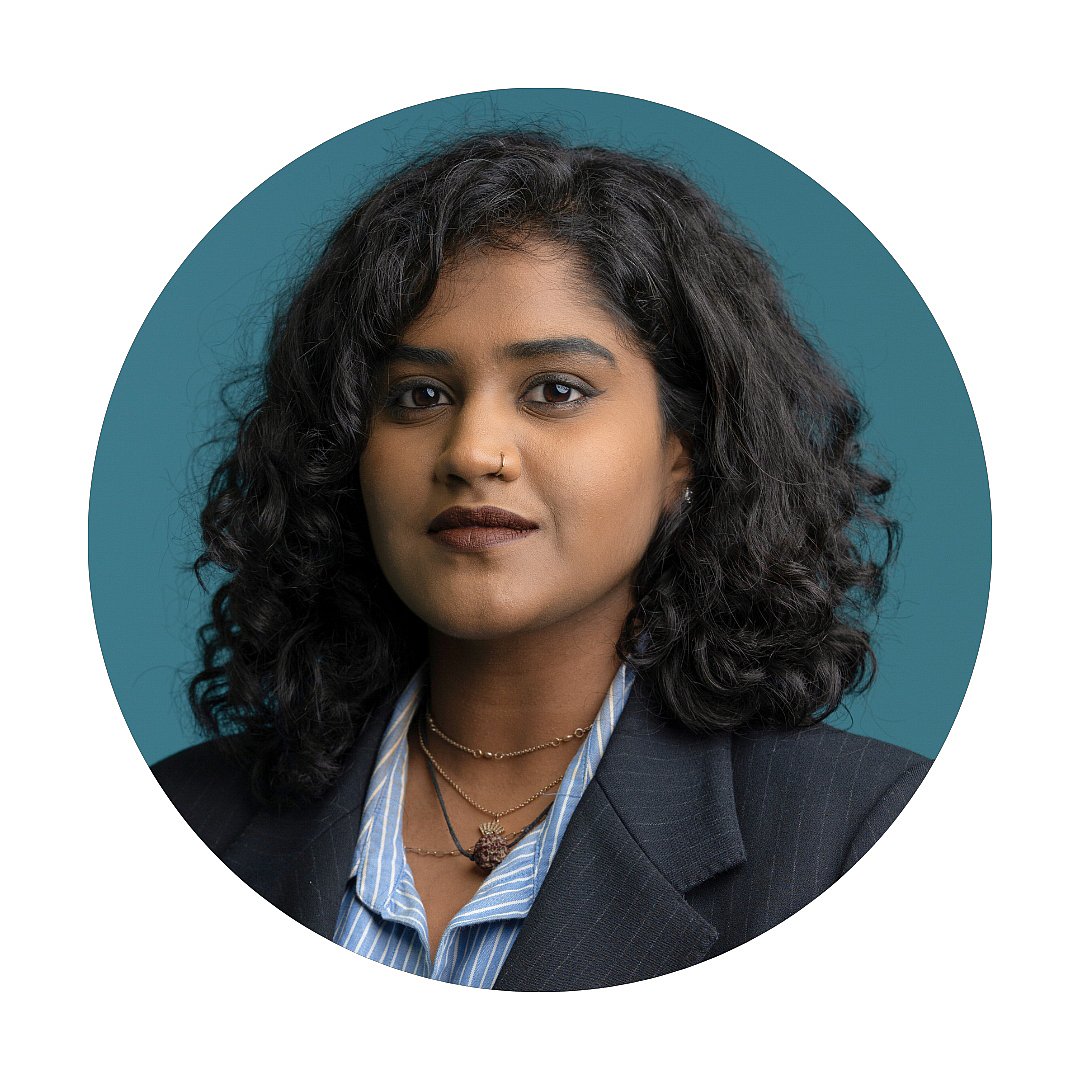
Nivetha Dayanand is Assistant Business Editor at Gulf News, covering aviation, financial markets and commodities. A business and financial journalist with a strong interest in multimedia storytelling, she regularly takes complex financial and economic subjects beyond the written word, producing explainer videos that make them easier for a wider audience to understand. Nivetha has interviewed senior policymakers, business leaders and global financial figures both on and off camera. Her past guests include UAE Minister of Economy and Tourism Abdulla bin Touq Al Marri, Khaled bin Alwaleed Al Saud, a member of the House of Saud and the founder and CEO of KBW Ventures, Jihad Azour, Director of the Middle East and Central Asia Department at the International Monetary Fund and Indian ministers Hardeep Singh Puri and N. Chandrababu Naidu. She has also hosted and moderated panels, conferences and awards shows, bringing her newsroom experience to live conversations on business, finance and the economy. An Erasmus Mundus journalism alum, Nivetha is drawn to stories that affect people directly and to reporting that gives a platform to voices that might otherwise go unheard. She was among the first journalists to speak to Petrofac employees in the UAE about unpaid salaries, broke the news of the planned demolition of Dubai’s well-known “Toyota Building”, and helped set the record straight on widely circulated claims that a giant replica of the Moon was coming to Dubai. More recently, her exclusive interview with EDGE Group CEO Hamad Al Marar revealed how the UAE-based defence group deployed its systems along the country’s shore border and established a geofence around the UAE within 48 hours of the February 28 escalation. Prior to joining Gulf News, Nivetha worked at ITP Media, where she helped launch Finance Middle East, a new publication covering the region’s financial sector. Her role spanned reporting and editing, video production, interviews and events. Across print, digital, and video, she focuses on finding the people behind business stories and explaining why those stories matter to the audience reading or watching them.
Sign up for the Daily Briefing
Get the latest news and updates straight to your inbox
Network Links
GN StoreAbout Gulf NewsTerms & ConditionsReach by GNSitemapContact usPrivacy PolicyGN FocusHave your sayWork with usAdvertise with usGulf News epaperPrinting Services
Download our app
© Al Nisr Publishing LLC 2026. All rights reserved.