Oil: WTI price down more than 2.5% in early Asian trade, Brent up nearly 5%
Brent crude awaits trading after price drop, West Texas Intermediate down 1.98%
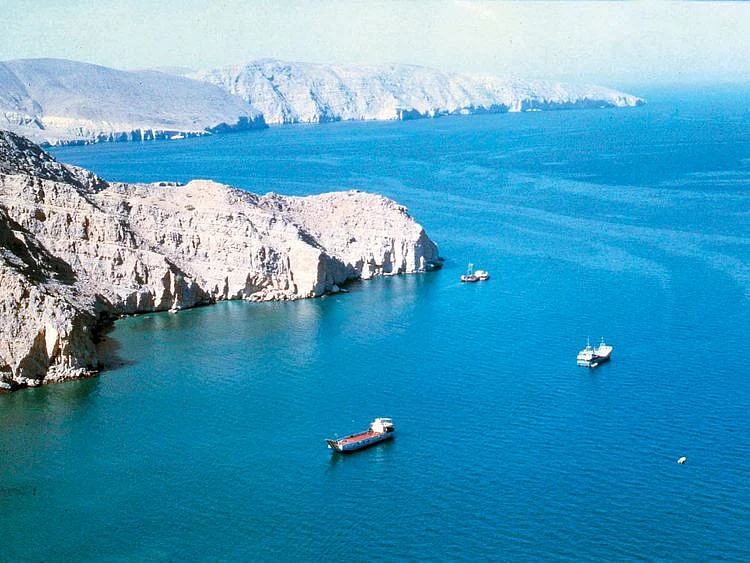
Oil prices fell more than two percent in early Asian trade after strong gains in recent days on the back of the conflict in the Middle East.
West Texas Intermediate was down 2.09 percent at $79.32 per barrel at around 0015 GMT, having soared 8.5 percent on Thursday to $81.01. Brent North Sea Crude, which rose 4.9 percent on Thursday, was not yet being traded.
"Further action to reduce pressure on oil is imminent and the oil (price) seems to have pretty much stabilised," US President Donald Trump said on Thursday.
On Tuesday, Trump had ordered the US Development Finance Corporation to provide political risk insurance for all maritime trade through the Gulf.
He said the US Navy would "if necessary" begin escorting tankers through the Strait of Hormuz -- a vital chokepoint for crude which Iran has effectively closed off -- "as soon as possible."
On stock markets, Japan's Nikkei index was down 0.8 percent shortly after the open, while South Korea's benchmark Kospi slipped 1.2 percent.
On Thursday, European exchanges shed around 1.5 percent and Wall Street's main indices also retreated.
Divergence
Oil markets showed a sharp divergence early in global trading, reflecting the growing geopolitical risk premium tied to escalating tensions between the United States, Israel, and Iran across the Gulf region.
At 00:52 GMT, benchmark prices as per oilprice.com moved in different directions:
WTI Crude: $78.93 (▼ $2.08, –2.57%)
Brent Crude: $85.41 (▲ $4.01, +4.93%)
Murban Crude: $94.51 (▲ $13.02, +15.98%)
Natural Gas: $2.976 (▼ $0.027, –0.90%)
The standout move came from Murban crude, the flagship export grade of the United Arab Emirates, which surged nearly 16%, signaling intense concern over supply risks in the Gulf.
Murban crude is particularly sensitive to regional disruptions because it flows directly through the Strait of Hormuz, the world's most critical oil shipping corridor.
Meanwhile, Brent crude, the global benchmark tied to seaborne oil markets, climbed close to 5%, reflecting fears that shipping routes in the Middle East could face further disruptions.
Insurance premiums jump
Insurance premiums for tankers crossing Gulf waters have reportedly jumped, pushing traders to price in potential supply shocks.
In contrast, West Texas Intermediate (WTI) slipped more than 2.5%, highlighting the relative insulation of the US domestic market from Middle Eastern supply risks.
WTI prices are driven largely by North American production, particularly US shale output.
Natural gas markets remained relatively calm, with natural gas prices edging slightly lower, suggesting traders see the current geopolitical tensions primarily affecting oil supply chains rather than global gas flows.
Market outlook
Energy traders are now closely watching developments in the Gulf.
Any disruption to tanker traffic or export terminals in major producers such as the Saudi Arabia, United Arab Emirates, or Qatar could rapidly push Brent toward the $90–$100 per barrel range.
For now, the widening gap between Brent, Murban, and WTI highlights a market increasingly driven by regional supply risks rather than pure demand fundamentals.
Sign up for the Daily Briefing
Get the latest news and updates straight to your inbox
Network Links
GN StoreDownload our app
© Al Nisr Publishing LLC 2026. All rights reserved.