ADNOC's biggest-ever gas project matters beyond oil for UAE: Here's why
World's largest gas cap project to support UAE's energy security, industry, LNG ambitions
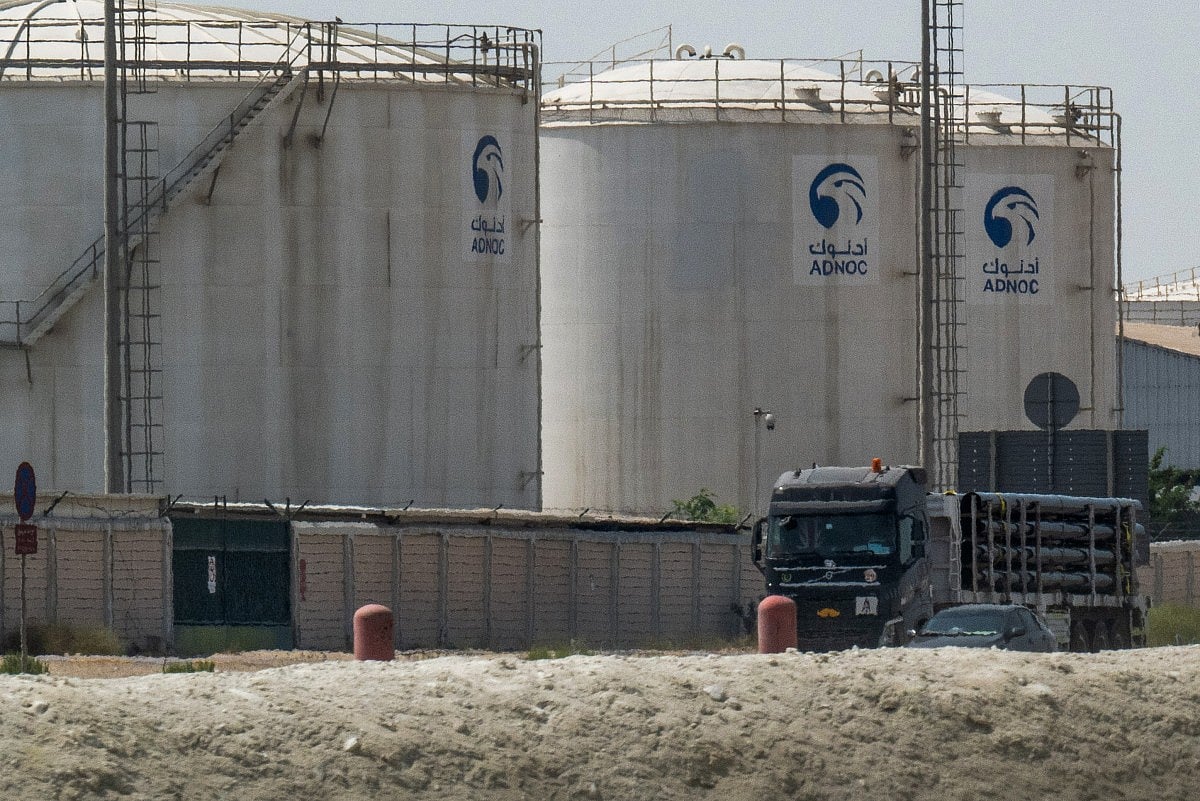
Dubai: When ADNOC secured the world's largest gas cap concession last week, much of the attention focused on the scale of the deal.
Yet Bab Gas Cap project represents far more than another oil and gas investment. It is a key part of the UAE's long-term strategy to strengthen energy security, produce more natural gas domestically and support industries that rely on a stable supply of fuel and feedstock.
Get updated faster and for FREE: Download the Gulf News app now - simply click here.
The Bab Gas Cap development has previously been estimated by industry publication Upstream to cost around $8 billion, although neither ADNOC nor the Abu Dhabi government disclosed an investment value when announcing the concession last week.
Once operational, the project is expected to produce up to 1.5 billion standard cubic feet of gas per day, strengthening domestic gas supplies while supporting electricity generation, industrial growth and liquefied natural gas (LNG) exports.
For UAE residents, it is another milestone in the country's efforts to meet rising energy demand while reinforcing its position as one of the world's leading energy producers.
What is Bab Gas Cap project?
The Bab Gas Cap project is the largest gas cap development of its kind in the world. It comprises three gas reservoirs within the Bab Field, one of Abu Dhabi's largest onshore oil fields, where natural gas is trapped above crude oil in the same underground reservoir.
Unlike a conventional gas field, the project involves the co-production of natural gas and condensate, a light hydrocarbon used as a feedstock for petrochemicals and refined fuels. Recovering both resources efficiently requires advanced drilling and reservoir management techniques to maximise production while preserving pressure inside the field.
Rather than discovering a new gas field, ADNOC is unlocking a resource that has existed for decades but has become commercially viable through advances in technology and field development.
Once operational, the project is expected to supply up to 1.5 billion standard cubic feet of gas per day, helping meet growing domestic demand while supporting ADNOC's LNG expansion plans.
According to the Abu Dhabi Media Office, the project will "contribute to the UAE's gas self-sufficiency, support the continued development of the country's petrochemicals sector and advance ADNOC's plans to expand its liquefied natural gas export capacity."
Why does UAE need more gas?
Although the UAE is one of the world's largest oil producers, natural gas serves a different role in the economy.
Gas fuels much of the country's electricity generation, powers desalination plants that produce drinking water and provides feedstock for petrochemical complexes, fertiliser plants, aluminium smelters and other energy-intensive industries.
As the UAE continues to expand its industrial base, develop new communities and diversify its economy, demand for natural gas is expected to continue rising.
Increasing domestic production also reduces reliance on imported gas while strengthening the country's long-term energy security.
Why UAE invests heavily in gas
The Bab Gas Cap project forms part of a much broader investment programme aimed at expanding the UAE's oil and gas production capacity.
Global demand for natural gas continues to grow as countries seek reliable energy supplies alongside the transition towards lower-carbon energy systems. Consultancy Wood Mackenzie estimates the Middle East, home to around 40 per cent of the world's natural gas resources, will record the fastest production growth of any region over the coming years.
The consultancy forecasts regional gas production will more than double to around 98 billion cubic feet per day by 2030, compared with about 45 billion cubic feet per day in 2010.
The UAE is positioning itself to capture part of that growth. Earlier this year, the country exited Opec as it pursues plans to raise its production capacity and expand investment across the hydrocarbons sector.
In November, ADNOC's board approved Dh551 billion ($150 billion) in capital investments for the 2026-2030 period to support the company's next phase of growth and operational expansion. In May, the company also announced plans to award Dh200 billion worth of project contracts over the next three years, accelerating construction across upstream and downstream operations.
The Bab Gas Cap project is one of the flagship developments underpinning that broader investment strategy.
More than keeping lights on
The additional gas produced from Bab will do much more than generate electricity.
It will provide feedstock for manufacturers, support petrochemical production, help meet growing domestic energy demand and supply additional volumes for ADNOC's expanding LNG business.
Natural gas remains a critical component of the UAE's industrial strategy because it supports sectors ranging from chemicals and metals to manufacturing and infrastructure development.
Global energy firms invest too
The project has attracted some of the world's largest international energy companies. Alongside ADNOC, which holds a 60 per cent stake, the concession includes BP, TotalEnergies, CNPC International, INPEX, China ZhenHua Oil and GS Energy.
Last week, BP formally signed the concession agreement, acquiring a 10 per cent interest and securing its first upstream gas resource position in Abu Dhabi.
William Lin, Executive Vice President for Gas and Low Carbon Energy at BP, said: "This agreement gives bp access to a material new gas resource and deepens our long-standing partnership with ADNOC. We look forward to working together to unlock the full potential of the Bab Gas Cap."
Patrick Pouyanné, Chairman and Chief Executive of TotalEnergies, described the project as a strategic fit for the company. "The Bab Gas Cap project is well in line with TotalEnergies' upstream strategy by adding low-cost, low-emissions resources with significant potential for production growth."
Their participation highlights continued international confidence in Abu Dhabi's long-life, lower-cost energy resources despite the global energy transition.
Key to UAE's energy future
The Bab Gas Cap concession is more than a major upstream project. It reflects the UAE's broader ambition to strengthen domestic gas production, improve energy self-sufficiency and expand its position as a global LNG supplier.
As electricity demand and industrial activity continue to rise, projects such as Bab will play an increasingly important role in supporting economic growth while ensuring reliable supplies for both domestic consumers and international markets.
For UAE residents, the project may never be visible on the ground. Yet the natural gas it produces will help power homes, desalinate water, fuel factories and support industries that underpin the country's next phase of economic growth.

Sign up for the Daily Briefing
Get the latest news and updates straight to your inbox
Network Links
GN StoreDownload our app
© Al Nisr Publishing LLC 2026. All rights reserved.