SICFAB 2026: Experts tackle seabird rescue and invasive species threats
Around 180 experts and vets from Arab nations join global institutions at the forum
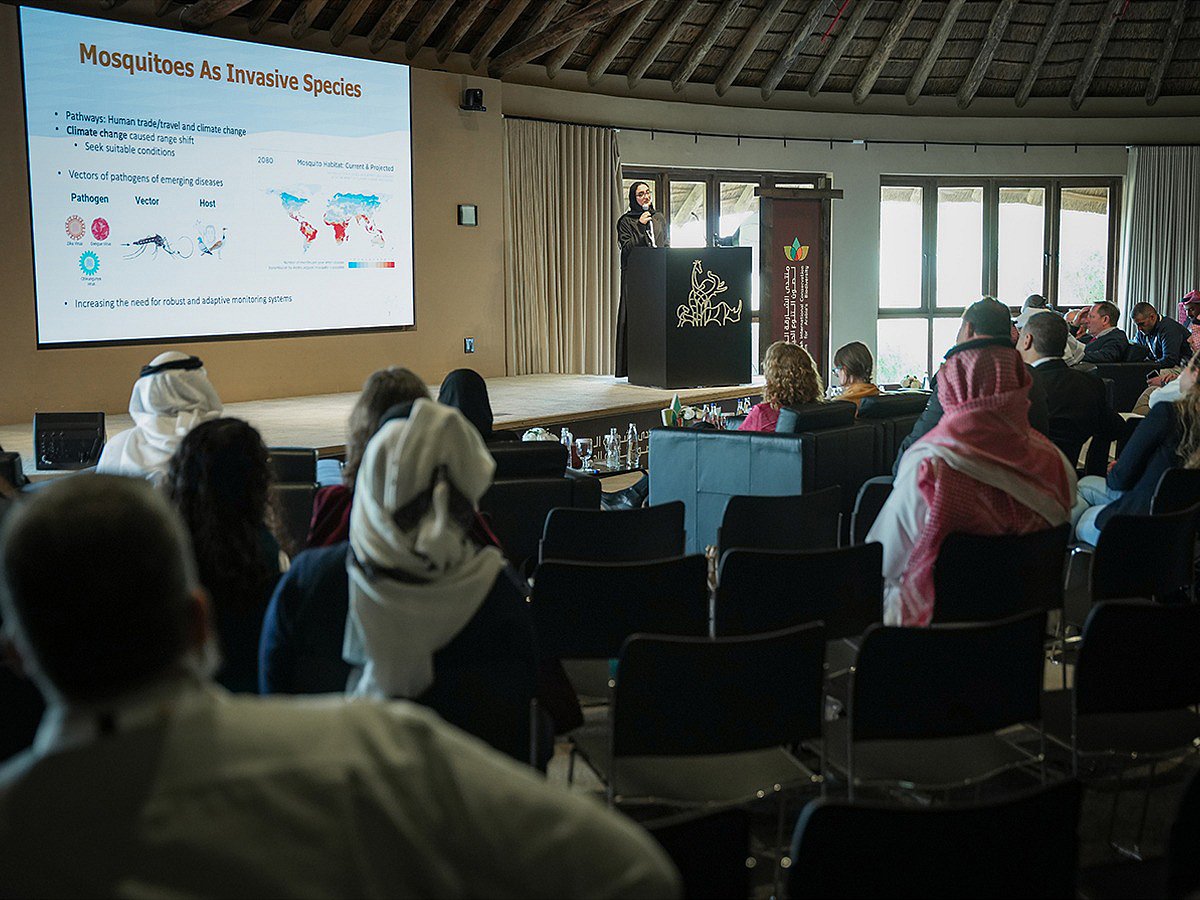
Sharjah: The 25th edition of the Sharjah International Forum for Arabian Biodiversity (SICFAB), organised by the Sharjah Environment and Protected Areas Authority (EPAA) held at Sharjah Safari and running until 5 February, continues to tackle priority environmental issues in the Arabian Peninsula. The forum brings together around 180 experts, researchers, and veterinarians from Arab countries, alongside international scientific and research institutions.
Seabird rescue at the forefront of discussions
Forum sessions highlighted the health challenges associated with rescuing and rehabilitating seabirds. Specialists presented field experiences in handling cases involving cormorants and seagulls during a session titled “Clinical, Therapeutic, and Pathological Insights from Rehabilitated Cormorants”, delivered by Dr. Miceala Shocklee and Dr. Daniela Dink.
The session emphasised that emaciation is a major health issue that impairs birds’ ability to forage, increasing their susceptibility to injuries and predation. It also noted that the impact of internal parasites is exacerbated when combined with poor body condition.
Discussions also addressed common injuries caused by human activities, such as the ingestion of fishing hooks, soft tissue injuries, and external parasites. Experts stressed the importance of accurate diagnosis and appropriate therapeutic intervention to ensure successful recovery and safe release back into their natural habitats.
Necropsy as a scientific tool for understanding seabird mortality
A session titled “Pathological Insights from Rescued Seagulls”, presented by Dr. Sara Zavala, Dr. Shamma AlEissaee, and Dr. Nina Gianelli, discussed the pathological dimensions of seabird mortality cases. The session emphasized the importance of necropsy as a fundamental scientific tool for understanding the causes of death, both direct and underlying. Findings revealed that kidney diseases are among the most prominent health issues and, in some cases, may lead to severe neurological complications.
Initial assessment and rehabilitation key to successful releases
Translating this science into effective practice was the focus of a major panel discussion titled “Triage, Stabilisation, Rehabilitation, Post Release, Outcomes/Monitoring”, featuring Dr. Tres Clarke and Dr. David Roberts. The discussion addressed operational challenges facing seabird rescue centers. These included the high costs of long-term care, the need for precise criteria to determine birds’ readiness for release, and the importance of post-release monitoring using appropriate tracking methods.
EICAT assessments and red lists for biodiversity conservation
A workshop on “Conducting EICAT Assessments to Determine the Environmental Impact of Invasive Species” highlighted the importance of unified scientific methodologies for classifying the impacts of invasive species and strengthening environmental databases to help guide decision-makers in prioritizing control measures.
Separately, discussions on the IUCN Red List of Threatened Species underscored the pivotal role of scientific classification and Red Lists in documenting biodiversity, assessing extinction risks, and supporting the establishment of protected areas and environmental rehabilitation programs.
Strategic planning to combat biological invasions
Applying this science to effective practice was highlighted as the next critical step. A workshop titled “Facilitating Strategic Planning for Decision-Makers” explored measuring invasive species’ impacts and classifying them into defined environmental categories, which contributes to more effective resource allocation and the restoration of ecological balance in affected ecosystems.
Invasive ants as a threat to native species
The specific menace of invasive ants was unpacked by Dr. Mustafa Sharaf, a researcher in entomology at the Sharjah Desert Park Wildlife Museum. He outlined their high capacity for biological invasion due to human activities.
Invasive ants can threaten native and endemic species, disrupt populations, and, in worst-case scenarios, lead to extinctions. Some species may also act as indirect transmitters for pathogens, particularly in sensitive environments such as hospitals and homes.
Presenters shared global examples of invasive ants causing economic losses worth hundreds of billions of dollars due to impacts on agriculture and ecosystems. Experts also highlighted the red palm weevil as one of the most dangerous invasive species in the Arab region, causing significant economic and environmental damage.
Regional and international cooperation for biodiversity protection
In the forum’s closing discussions, participants emphasised the need to strengthen regional and international cooperation, exchange scientific expertise, and engage local communities and volunteers in early reporting of environmental cases.
They highlighted the development of unified scientific databases as a fundamental pillar for protecting coastal and terrestrial ecosystems, supporting the Sustainable Development Goals, and conserving the natural heritage of the Arabian Peninsula.
Sign up for the Daily Briefing
Get the latest news and updates straight to your inbox
Network Links
GN StoreDownload our app
© Al Nisr Publishing LLC 2026. All rights reserved.