UAE’s new 5.06% sukuk: What your Dh1,000, Dh10,000 could earn
Five-year government-backed investment pays profits twice a year; here's how it works
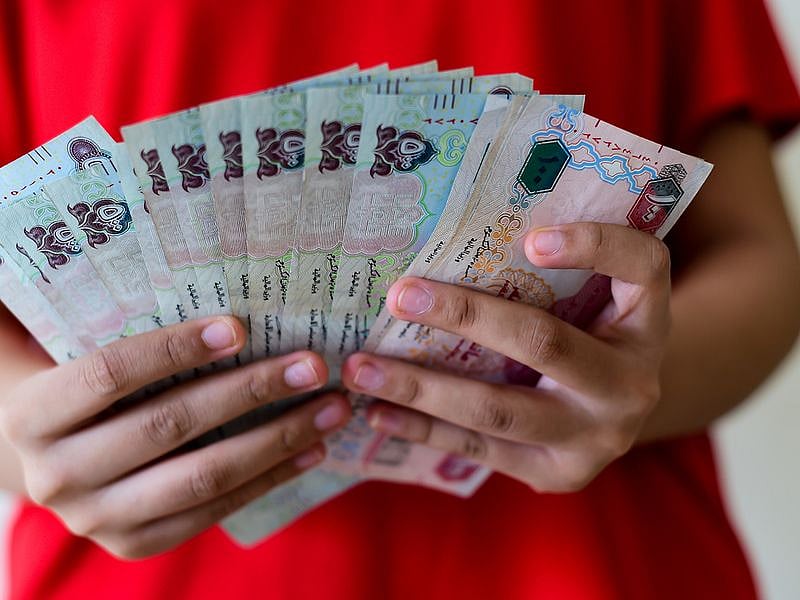
Dubai: The UAE has now put a number on the return from its second retail T-Sukuk: 5.06 per cent a year for five years.
For residents looking at the investment for the first time, the basic idea is fairly simple. You can invest from Dh1,000, receive profit payments every six months and, if you keep the sukuk until its five-year maturity, receive the principal back at the end, subject to the terms of the issuance.
Subscriptions open on September 23 and close on September 28. The UAE Ministry of Finance is targeting Dh50 million for the new issuance.
Get updated faster and for FREE: Download the Gulf News app now - simply click here.
So, how much could you receive?
At the stated annual profit rate of 5.06 per cent, a Dh1,000 investment corresponds to Dh50.60 in profit a year.
Since distributions are made every six months, that works out to about Dh25.30 every six months. Scale up the investment and the numbers rise proportionately.
A Dh10,000 investment corresponds to Dh506 a year, or about Dh253 every six months. A Dh50,000 investment corresponds to Dh2,530 annually, or about Dh1,265 every six months.
If the stated profit rate applies throughout the full five-year tenor, Dh10,000 would generate Dh2,530 in total profit over five years, while Dh50,000 would generate Dh12,650.
These simple calculations do not include any potential transaction, trading or other applicable charges.
What exactly are you investing in?
A T-Sukuk is a Shariah-compliant government investment instrument.
Unlike a conventional bond that pays interest, a sukuk pays investors profit through a structure that complies with Islamic finance principles.
This particular sukuk is issued under the UAE's Sovereign Retail T-Sukuk Programme and is backed by the UAE Government. The programme was created to give individual investors access to sovereign instruments that have traditionally been more commonly associated with institutional investors.
You do not need a large amount to participate. The minimum subscription remains Dh1,000.
Is it different from first sukuk?
The biggest differences are the return and how long your investment runs.
The first retail T-Sukuk launched earlier this year had a two-year term and a 4.30 per cent annual profit rate. The second issuance runs for five years and pays 5.06 per cent annually. Both distribute profits every six months and have a Dh1,000 minimum investment.
Demand for the first offering was much larger than the amount initially available.
Investors submitted Dh445 million of orders against an original Dh50 million issue. The government subsequently doubled the issuance to Dh100 million.
Smaller investors accounted for a sizeable part of that demand. Around 76 per cent of subscriptions were for Dh10,000 or less.
Lock your money for five years?
Not necessarily. Five years is the maturity of the new sukuk, but the securities are due to start trading on Nasdaq Dubai on October 1 after allocation and settlement.
That creates a secondary market where an investor can potentially sell before maturity rather than wait the full five years.
There is an important distinction, though. Selling early is not the same as getting your original investment automatically refunded.
Once a sukuk trades on the market, its price can move. An investor selling before maturity could receive more or less than the amount originally invested, depending on the market price at the time.
Holding until maturity avoids having to sell at the prevailing secondary-market price, subject to the terms of the sukuk.
Who can subscribe from UAE?
The offering is available to eligible UAE nationals and residents.
Investors need a valid Dubai Financial Market Investor Number, known as an NIN, and a registered mobile number. Someone who does not already have an NIN will therefore need to obtain one before completing the subscription process.
Subscriptions can be made through the DFM eIPO platform, iVestor app and DFM app, as well as through the digital channels of participating banks.
Emirates NBD is the lead receiving bank. Emirates Islamic, Abu Dhabi Islamic Bank, Ajman Bank, Mashreq, Abu Dhabi Commercial Bank and First Abu Dhabi Bank are also participating receiving banks.
What happens after you apply?
Subscriptions close on September 28, followed by allocation on September 29.
Settlement and refunds of excess subscription money are scheduled for September 30. The sukuk is then due to begin trading on Nasdaq Dubai on October 1.
Allocation is worth keeping in mind because applying for a particular amount does not by itself guarantee that an investor will receive that full amount.
The first issuance demonstrated why that can matter. Demand reached Dh445 million even after the eventual issue size was increased to Dh100 million.
For UAE residents, the second issuance therefore changes two important numbers from the first offering: the investment period rises from two years to five, while the annual profit rate increases from 4.30 per cent to 5.06 per cent. The entry point stays the same at Dh1,000.

Sign up for the Daily Briefing
Get the latest news and updates straight to your inbox
Network Links
GN StoreDownload our app
© Al Nisr Publishing LLC 2026. All rights reserved.