Paying your card is best return on your money
Reducing debt on high-interest premium plastic can be a great investment
Last updated:
3 MIN READ
Corbis
Corbis
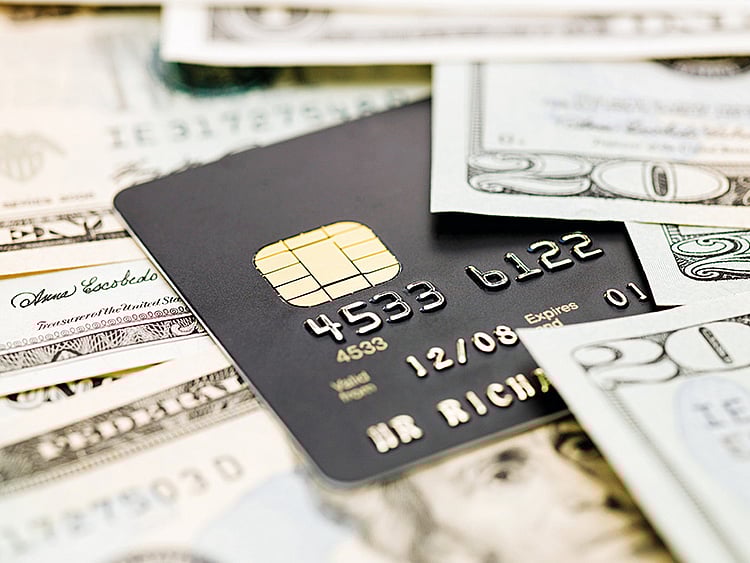
Many of us have more financial goals and ambitions than cash to spare, and many of us at some stage in our lives have overspent our monthly income, used up all our savings, and gone into debt. Today, about $733 billion (Dh2.7 trillion) is owed by US consumers on their credit cards, and the average household in the US carries $15,762 of credit-card debt. No figures have been released for the UAE, but credit cards are big business in the country, with about 5.9 million debit and credit cards in circulation and spending on plastic rising year-on-year.
Using a credit card can offer a number of benefits ranging from legal protection, insurance, cashback, air miles and even donations to charity based on a percentage of your spending. However, credit-card debt can quickly mount up if you don’t pay it off in full at the end of each month.
Credit-card debt is expensive. Bank base rates are the lowest they have ever been (less than 1 per cent in Europe, UK and the US), yet the average interest rate charged on most credit cards today in the UK is around 18.9 per cent annual percentage rate (APR). This means that if you carry £5,000 (about Dh26,400) of debt on the card for one year, you will pay £945. In the UAE, APRs can be as high as 30 per cent, so Dh25,000 of debt will cost Dh7,500 a year. These are eye-watering figures. That interest is money that’s simply lost.
Better returns
Accumulating credit-card debt is a big mistake, but if you’ve already got high-interest credit-card debt, paying it off is likely the best investment available to you. Here’s why: the return that you will make is significantly higher than what you can expect to get from an average year in the stock market. Even the most optimistic investor equity bull will struggle to make a convincing argument that their portfolio will deliver more than 30 per cent returns. The same applies to cash investments, bonds or property, with yields currently ranging from 0.5-5 per cent.
The return is tax-free — while investment returns on cash, bonds equities and real estate in some countries may suffer a tax charge.
Cash flow up
Reducing and eliminating credit-card debt over the short or longer term will improve your cash flow. Every month we all have a certain number of bills to pay, and you will have a certain amount of income. Any surplus income is what you have to either spend or invest.
Debt is a drag, not only on your credit rating but also on your well-being. The stress that comes with debt may reduce any happiness you can get from spending your money. Paying down debt will give you a sense of achievement and will positively improve other aspects of your life.
Tips to cut debt
If you have high credit-card debt, it may seem like a daunting task to pay it off, but by following a number of steps you will be able to gradually reduce it and become debt-free once and for all:
● First, stop using your credit card.
● Budget at the beginning of each month, projecting your expenses and income.
● Get a realistic picture of your debt.
● Consolidate your debt and look for alternatives — you may be able to secure a bank loan at a significantly lower rate than your credit card.
● Make timely payments (avoiding additional penalties) and make more than the minimum payment.
● Take advantage of low or zero per cent balance transfer offers.
● Request rate reductions from your credit card provider.
— The writer is Senior Executive Officer with Killik Offshore
Sign up for the Daily Briefing
Get the latest news and updates straight to your inbox
Network Links
GN StoreAbout Gulf NewsTerms & ConditionsReach by GNSitemapContact usPrivacy PolicyGN FocusHave your sayWork with usAdvertise with usGulf News epaperPrinting Services
Download our app
© Al Nisr Publishing LLC 2026. All rights reserved.