Paying for anything in the UAE will look different in 2026: 6 changes you will see
What UAE residents can expect from the next big wave of payments in 2026
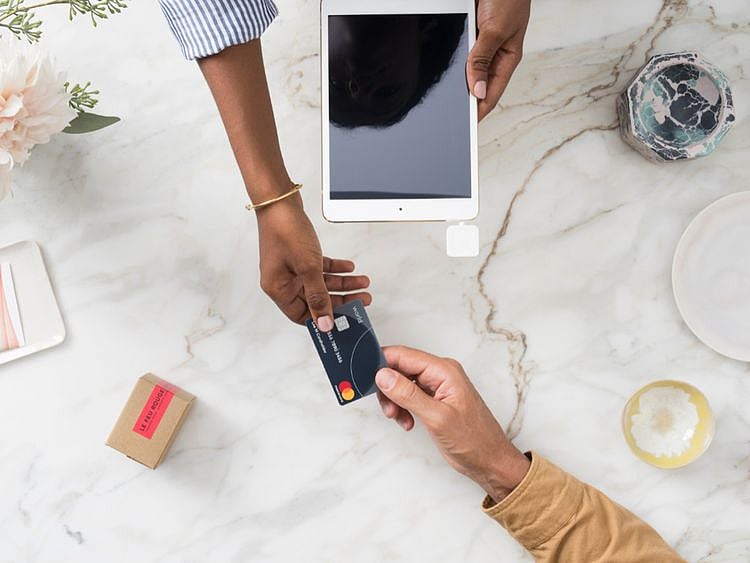
Dubai: The way money moves is changing fast. In its latest report, Mastercard puts it plainly: “The next wave of payments innovation uses tech to put people first, making money movement more secure, smarter and more personal.”
UAE consumers already live in a hyper-digital economy. By 2026, payment experiences will feel even more personal, more predictive and closer to seamless.
Mastercard explains the shift this way: “If there’s a topline trend to 2026, it’s how payments are evolving, becoming more personalized, predictive and seamlessly interoperable between traditional and new payment platforms.”
Here’s what residents and businesses across the UAE should expect in 2026:
1. AI agents will do your shopping
Generative AI has moved beyond recommendations. Mastercard notes that in 2025, “gen AI quickly proved itself to be more than a mere recommendation engine, with the promise of AI-powered agents starting to manage transactions on behalf of consumers and businesses.”
These AI agents will handle comparisons, research and routine purchases. That raises the stakes for authentication and fraud control. The industry focus is clear: “how to identify that an agent is legitimate, how to strengthen authentication with agents and reduce fraud, and how to capture intent in case an AI transaction goes awry.”
The UAE already tested this shift. Mastercard piloted an AI-driven shopping experience with Majid Al Futtaim. It showed that when transparency and consent are built in, people are comfortable letting AI take over small tasks.
Mastercard sums up the challenge: “You can automate commerce, but you can’t automate trust.”
2. Crypto will connect to payments
Crypto regulation is maturing, and the UAE has been one of the earliest movers. Mastercard’s view reflects a global inflection point: “The last year and a half brought regulatory clarity… over stablecoins… creating the confidence the financial sector needed for commercialization.”
This clarity opens the door for real use cases — not just trading. Mastercard expects a bigger push next year: “greater collaboration… that will make it easier and safer for people to pay and move money with stablecoins.” This includes easier payouts to stablecoin wallets, streamlined settlement and smoother cross-border movement.
For UAE residents sending money abroad, these improvements matter. Faster settlement and lower friction could make digital assets a practical option rather than a niche experiment.
3. Digital identity will be essential
Cyber threats are rising across every region. Mastercard’s research found that “80% of global consumers were the targets of a scam attempt in the last year.” Stronger identity verification is becoming a must, not an option.
Digital ID wallets will make it easier to log in, prove your age or confirm your identity across government, banking and travel services. The report outlines the shift: “More robust identity verification tools that also make it faster and easier to prove your identity… will be essential to the growth of the digital ecosystem.”
Mastercard expects verified aliases to reduce crypto-related fraud by eliminating long, error-prone wallet addresses: “eliminating the need for the complex addresses that so often play a role in fraud.”
The result is a more natural digital experience: “Digital identity that feels as natural and reliable as making a payment.”
4. Payments to get more sustainable
A younger generation is shaping new spending habits. Mastercard highlights a clear trend: “a growing wave of consumers, led by Gen Z, are embracing the circular economy model… built on reuse, resale and repair.”
This shift is pushing new payment loops that reward sustainable choices. The report describes it as “regenerative payment loops, where transactions can enable and incentivize more sustainable choices.”
Think return-and-refill cups, automated deposits, micro-rewards and easy peer-to-peer payments for reusing or sharing items. Mastercard frames the impact simply: “For the consumer, it’s a virtuous circle, making returning a cup as simple as single use.”
UAE retailers exploring sustainability programs may find lower packaging costs and stronger loyalty: “For retailers, there are virtues, too — from lower packaging costs to deepened loyalty.”
5. Payments will adapt to your habits
People want more control over how they spend. Mastercard says: “Payments and banking are adapting to the consumer, not the other way around.”
Dynamic payment credentials will let you choose rules that match your lifestyle. Use credit for big-ticket buys. Use debit for groceries. Build safeguards into daily spending.
Data insights from nearly 160 billion transactions in 2024 help power personalised offers, making them timely and relevant: “delivering personalized content and far more tailored offers at precisely the right time.”
This data also helps lenders support applicants with limited credit history: “Small businesses and those with thin credit files may benefit as lenders access deeper insights… to better assess the creditworthiness of individual loan applicants.”
For UAE residents establishing themselves in the country, this could make financing more accessible.
6. Instant payments to reach everyone
Speed is becoming a global standard. Mastercard describes the next leap: “In-store checkout may become even more seamless with biometric solutions – smile!”
Tokenization is removing friction online by eliminating repeated card entry. Mastercard notes that one-click checkout is “within reach by 2030.”
On the business side, real-time settlement is moving from theory to reality. Mastercard’s Transaction Stream “can clear in real time and settle payments the same day, freeing up capital for businesses.” That matters for SMEs across the Emirates managing tight cash cycles.
Cross-border payments will also improve. With flows projected to pass $250 trillion by 2027, Mastercard expects “more innovation and investment… from alias-based remittances… to the expansion of fast, secure and transparent cross-border capabilities.”
For millions of UAE residents sending money home, simpler transfers across borders will be one of the most visible improvements.
Changes will feel personal to residents
The UAE is already a testing ground for AI, digital assets and advanced identity systems. Mastercard’s report frames 2026 as a turning point where infrastructure, standards and partnerships start to deliver everyday benefits.
Or as the report puts it: “the often unsexy work of building the infrastructure, setting the standards and forging the partnerships… is paying off.”
Payments will feel more personal, more secure and more effortless — and residents will see the impact in daily moments, from checkout counters to cross-border transfers.

Sign up for the Daily Briefing
Get the latest news and updates straight to your inbox
Network Links
GN StoreDownload our app
© Al Nisr Publishing LLC 2026. All rights reserved.