Pakistan ends some remittance perks, but can UAE expats still send money for free?
What the latest SBP policy change means for transfer costs, banks and families back home
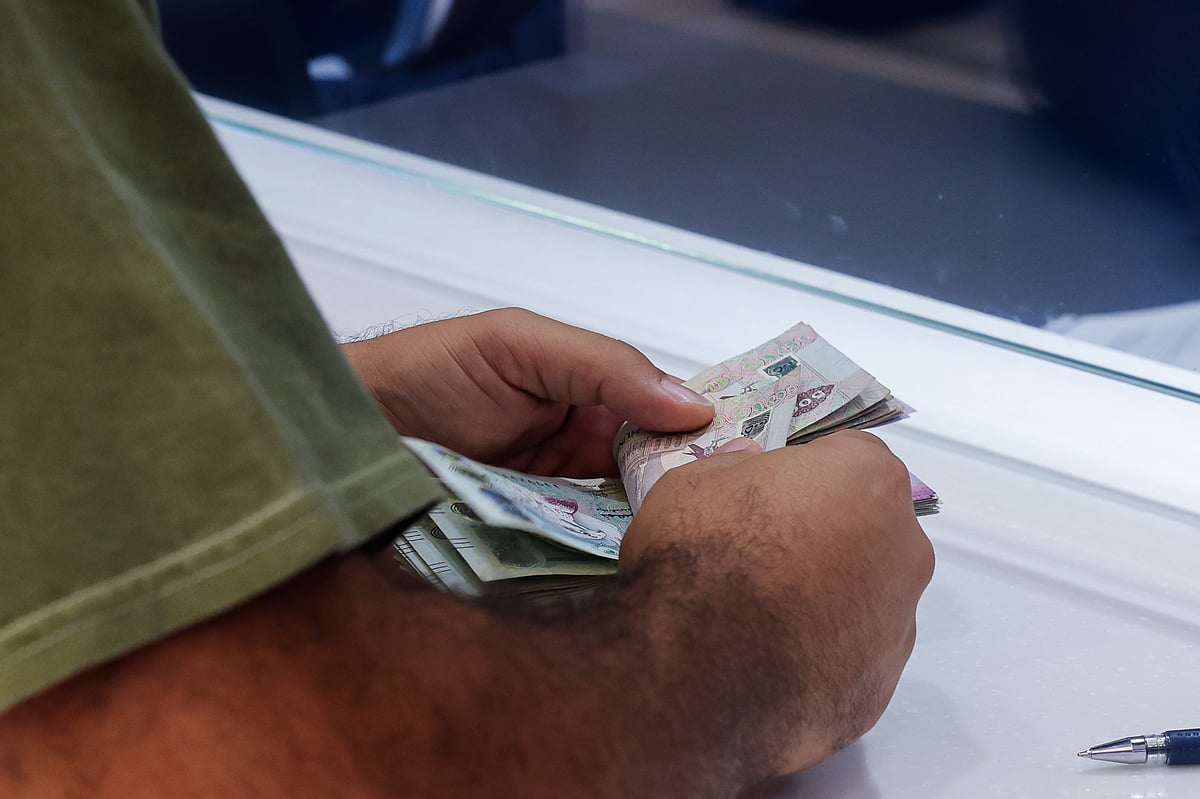
Dubai: Will it cost more for Pakistanis in the UAE to send money home this month? That is the immediate question after the State Bank of Pakistan's decision to end two incentive schemes supporting remittance providers.
Get updated faster and for FREE: Download the Gulf News app now - simply click here.
The policy change, which took effect from July 1, removes government-funded reimbursements previously paid to banks and other participating institutions for facilitating eligible overseas remittance transactions. It does not change the customer-facing benefits that most overseas Pakistanis use when transferring money through formal channels.
"We do not expect the State Bank of Pakistan's decision to have a material impact on Al Ansari Exchange's operations or on the wider remittance market in the UAE," said Ali Al Najjar, CEO of Al Ansari Exchange.
"Pakistan remains one of our largest remittance corridors, and the policy appears to concern incentive arrangements within Pakistan's banking system rather than the fundamentals of cross-border demand or infrastructure."
What changed now
According to separate SBP circulars issued on July 2, the Sohni Dharti Remittance Programme (SDRP) and the Telegraphic Transfer Charges Incentive Scheme (TTCIS) both ceased operating with effect from July 1, 2026.
Under the TTCIS, participating banks, exchange companies and authorised dealers were previously reimbursed by the central bank for eligible telegraphic transfer charges. The arrangement enabled qualifying overseas remittance transactions to remain free for both senders and recipients.
With the latest decision, those reimbursements have ended. The SBP said participating institutions must continue implementing the scheme "at their end while preserving its key features", adding that eligible home remittance transactions must continue to remain free of cost for both senders and beneficiaries.
In a separate notification, the central bank also discontinued the Sohni Dharti Remittance Programme, which rewarded overseas Pakistanis for using formal remittance channels.
Will you pay more?
Based on the SBP's circulars, the answer is no. The central bank has instructed participating institutions to continue offering eligible remittance services without charging either the sender or the beneficiary.
Al Najjar said Al Ansari Exchange also does not expect the change to affect customers. "We do not currently anticipate any impact on customers' remittance costs," he said.
"Reports suggest that eligible home remittance transactions in Pakistan are expected to remain free of charge for both senders and beneficiaries. Should there be any changes that affect customers, we will communicate them through appropriate channels."
Why schemes ended
The SBP did not provide a detailed explanation for discontinuing the programmes.
According to Pakistan's Dawn newspaper, banking sector sources said the cost of maintaining the incentive schemes had increased sharply as remittance inflows reached record levels in recent years.
Dawn also reported that the growing expenditure attracted criticism during discussions with the International Monetary Fund (IMF), which had questioned the incentive payments being made as remittance volumes increased.
The policy change removes the reimbursement mechanism for participating institutions but does not alter the zero-fee arrangement for eligible remittance customers.
Banks concerned
Pakistan's banking industry has expressed concern that participating institutions will now have to absorb costs previously reimbursed by the central bank.
Speaking at a press conference, Pakistan Banks Association (PBA) Chairman and Bank of Punjab CEO Zafar Masud said banks are consulting on how to finance remittance inflows following the policy change.
Bank Alfalah Chief Executive Officer Atif Bajwa said the SBP's decision would dent banks' profitability because institutions would now bear costs previously covered by the incentive scheme.
The PBA has nevertheless said banks will continue efforts to support remittance inflows.
Limited impact
Banking experts quoted by Dawn said the withdrawal of TTCIS is unlikely to significantly affect the banking sector or reduce remittance inflows.
According to the newspaper, some experts argued that the scheme, introduced in the early 1980s, had become outdated as digital banking substantially lowered the cost of processing international money transfers.
They also noted that Pakistan's banking sector remains among the country's most profitable industries. Banks earned around Rs640 billion in calendar year 2025, while profitability during the first quarter of 2026 was even higher.
The experts also flagged that incentives available under the Pakistan Remittance Initiative (PRI) remain unchanged. Under the programme, banks continue receiving incentives linked to the volume of remittances they process.
The SBP has introduced a transition period for overseas Pakistanis who accumulated reward points under the Sohni Dharti Remittance Programme.
Reward points earned on eligible remittances processed up to June 30, 2026, can continue to be redeemed until June 30, 2027, after which the programme will formally close.
Will remittances slow?
The SBP does not expect the withdrawal of the two schemes to derail remittance growth.
State Bank Governor Jameel Ahmad has said workers' remittances are expected to continue increasing during FY2027 despite the discontinuation of the incentive programmes.
Al Najjar also said overseas Pakistanis are expected to continue using established remittance channels.
"We anticipate overseas Pakistanis will continue sending money home to support their families and meet regular financial commitments, with established channels, including our digital platforms, remaining available for them to do so," he said.
The Pakistan Banks Association has also said member banks will continue efforts to increase remittance inflows.
Remittances stay crucial
Workers' remittances remain one of Pakistan's largest sources of foreign exchange and play a key role in supporting household incomes, strengthening foreign exchange reserves and improving the country's external account.
Pakistan received around $40 billion in workers' remittances during FY2025, according to figures cited by Dawn. Banking experts quoted by the newspaper expect inflows to rise to $41 billion to $42 billion during FY2026, supported by continued labour exports, particularly to Gulf countries, and sustained use of formal remittance channels.
For Pakistani expatriates in the UAE, the latest policy change primarily changes how participating financial institutions are compensated for processing remittances rather than how customers send money home.
Based on the SBP's directives and comments from remittance providers, eligible transfers can continue through formal banking and exchange company channels without transfer charges, while banks adjust to operating without the discontinued reimbursement schemes.

Sign up for the Daily Briefing
Get the latest news and updates straight to your inbox
Network Links
GN StoreDownload our app
© Al Nisr Publishing LLC 2026. All rights reserved.