Philippines: Massive cut in airport fees, faster fuel 'surcharge' reviews to slash airfare costs — what to know
Quicker fuel surcharge reviews aim to lower airfares in the Philippines
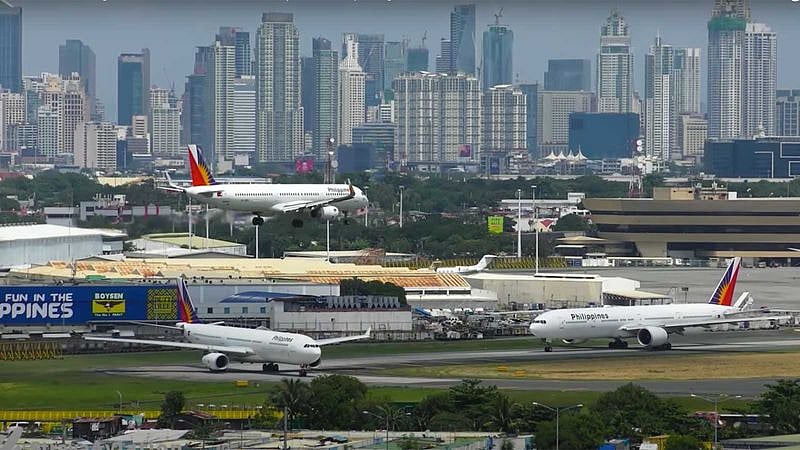
Manila: In a bold move to shield Filipino travelers from soaring jet fuel prices triggered by ongoing Middle East tensions, President Ferdinand “Bongbong” Marcos Jr. has directed key government agencies to slash aviation-related charges and speed up airfare adjustments.
On Tuesday, the Philippine Civil Aeronautics Board (CAB) approved a shorter 15-day fuel surcharge review cycle, slashing the old one-month waiting period, as part of a rafe of measures to cushion the impact of global oil price spikes.
This follows a public statement by President Marcos that the Civil Aviation Authority of the Philippines (CAAP) will immediately reduce passenger service charges (PSC), landing fees, parking fees, and other related airport charges at all CAAP-operated airports across the country.
The directive aims to lower airlines' operating expenses amid global crude oil volatility, ultimately translating to more affordable ticket prices for domestic and international passengers.
Acting Transportation Secretary Giovanni Lopez formalised the order through the Department of Transportation (DOTr), emphasising that these fee reductions will apply nationwide to government-managed gateways.
The move directly responds to the sharp rise in jet fuel costs, which has pressured carriers to impose higher fares.
Shorter review, approval for surcharge rates
Complementing this, the Civil Aeronautics Board (CAB) has shortened the review and approval period for fuel surcharge rates from the previous one-month timeline to just 15 days.
This accelerated process allows airlines to quickly pass on any decline in fuel prices to consumers through lower surcharges and fares, preventing prolonged overcharges during periods of price stabilization.
Interventions
The instructions form part of a broader package of measures announced by Manila to cushion the Philippine economy and households from the ripple effects of geopolitical instability in the Middle East, particularly involving conflicts impacting oil supply routes.
These aviation-specific interventions, which follow fuel subsidies for farmers and fisherfolks, cash for utility drivers and a four-day workweek build on ongoing discussions to keep air travel accessible, especially ahead of peak seasons like Holy Week.
Shorter fuel-surcharge mechanism
On Tuesday, the Philippine Civil Aeronautics Board (CAB) approved a radical 15-day fuel surcharge review cycle, slashing the old one-month waiting period to let airlines react faster to wild oil price swings caused by Middle East war.
For tickets booked April 1–15, passengers will pay Level 8 surcharges — double March’s rates and the highest tier applied recently.
Domestic flights face ₱253 on short routes (<200 km) to ₱787 on long hauls (>1,000 km). International tickets start at ₱835 (Hong Kong/Taiwan) and rises to ₱5,913 (US) or ₱6,208 (flights >14,000 km).
CAB said the faster cycle “cushions airlines from fuel volatility while enabling quicker reductions when prices fall.”
Even with those relief steps, analysts warn Holy Week and summer travelers will still feel the pinch as global crude spikes continue.
Airlines welcome system
Airlines welcomed the nimbler system while passengers are urged to lock in fares now before further hikes.
The policy balances carrier survival with consumer protection — but with Brent crude hovering above $100/barrel, more turbulence lies ahead in the skies.
Industry observers note that reduced airport fees and nimbler fuel-surcharge mechanisms could provide immediate breathing room for budget carriers and help maintain tourism recovery momentum.
Travelers can expect initial relief in upcoming booking periods as agencies implement the changes.
The government continues monitoring global oil markets, promising further steps if prices remain elevated.
Sign up for the Daily Briefing
Get the latest news and updates straight to your inbox
Network Links
GN StoreDownload our app
© Al Nisr Publishing LLC 2026. All rights reserved.