WGS 2026: Airbus CEO says Chinese plane maker Comac is no longer a distant rival
Geopolitics and reliance on Western parts could slow China’s aircraft push beyond Asia
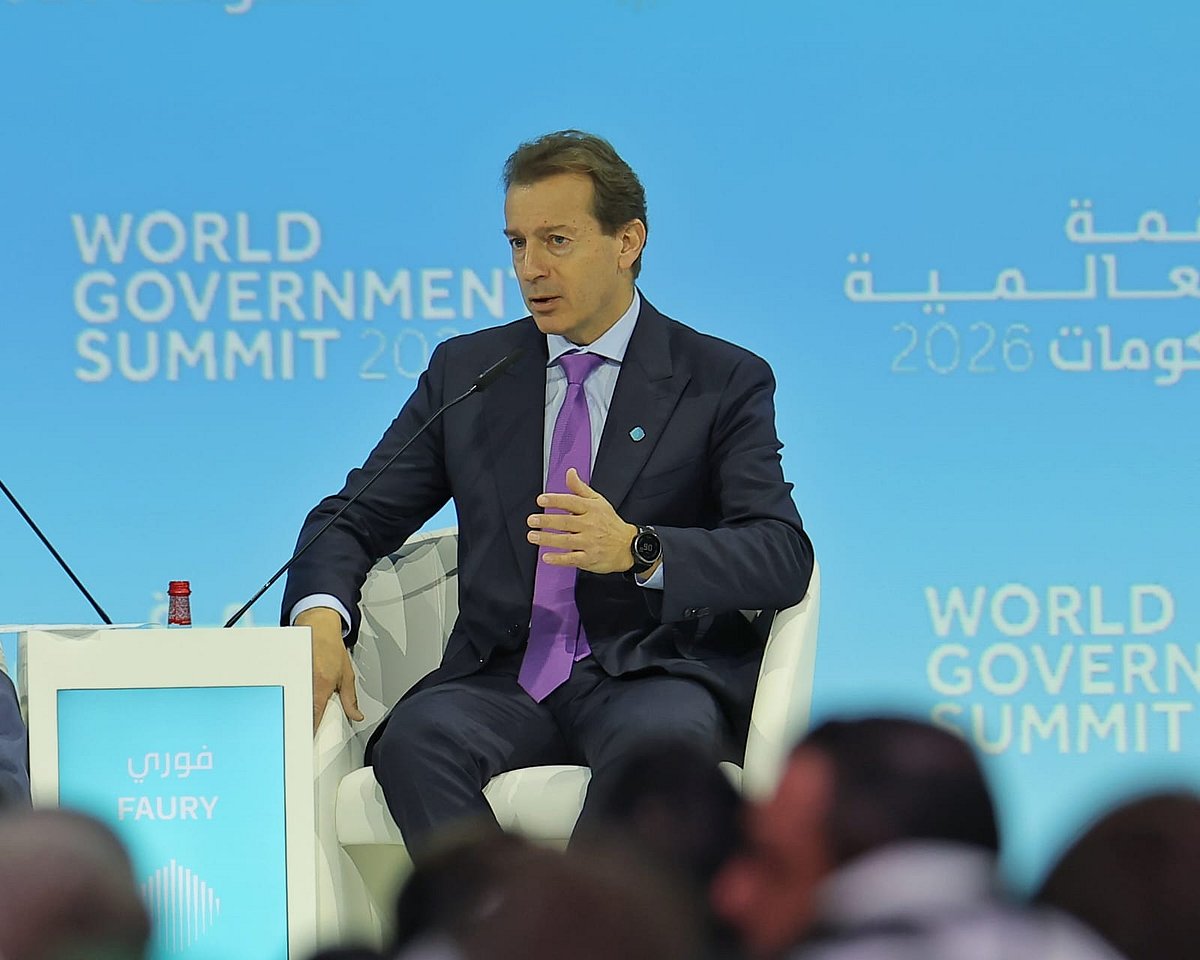
Dubai: China’s aircraft maker Comac is no longer just a domestic player — and its recent moves have caught French plane maker Airbus’ attention.
At the World Government Summit in Dubai on Tuesday, Airbus CEO Guillaume Faury made it clear that China’s state-owned aircraft manufacturer is becoming a serious long-term competitor in global aviation.
Comac’s narrowbody jet (single aisle), the C919, is already flying passengers inside China and has received certification from Chinese regulators. Major Chinese airlines have placed large orders, marking a key milestone for Beijing’s ambitions to build and export its own commercial aircraft.
For years, the global aircraft market has been dominated by two giants: Airbus and Boeing. A credible third player could start to change that balance, something even UAE airline leaders have been calling for after jet deliveries to flydubai, Emirates, Etihad, and other airlines were delayed by several years.
More aircraft makers usually mean more competition, which can eventually lead to lower airline costs, more choice, and potentially cheaper airfares
Faury acknowledged that Comac’s ambition is real. “There is room for others,” he said, pointing to the huge global demand for new, fuel-efficient aircraft as air travel continues to grow. Faury also said this may be the golden age for demand for new aircraft, and traffic is going up. “The need for new aircraft, more fuel-efficient, more competitive, is very strong,” he said.
What’s working against China?
The C919 is currently flying only within China, and certification in Europe and other Western markets is still pending. Geopolitical tensions between China, the US and Europe could slow or even block COMAC’s expansion into Western skies.
Another key challenge is the supply chain. Comac’s aircraft still rely heavily on Western-made components, including engines and critical systems. Replacing those with fully domestic alternatives will take years, if not decades.
That said, aviation history suggests new players should not be underestimated. Airbus itself was once viewed as an outsider before becoming the world’s largest aircraft manufacturer.
Airbus, meanwhile, is not taking the competition lightly.
Faury said that the company’s strategy is to stay ahead through constant innovation rather than dismissing new rivals. “The best way to be protected against an emerging competitor is to keep investing, to keep developing your products, and to stay ahead in terms of technology and offerings,” he said.
Network Links
GN StoreDownload our app
© Al Nisr Publishing LLC 2026. All rights reserved.