How non-stick coatings really work
A non-stick pan looks simple, yet its surface is the result of careful engineering
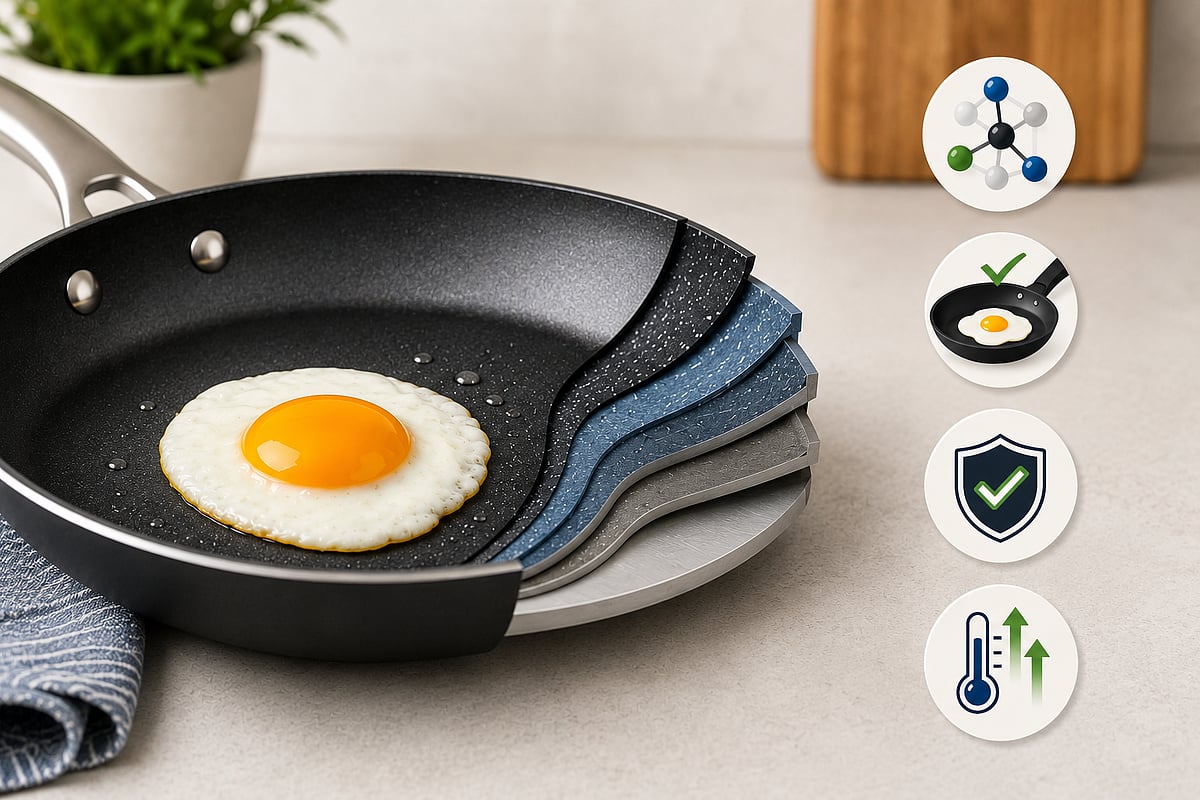
A non-stick pan looks simple, yet its surface is the result of careful engineering. The coating is designed to create an exceptionally smooth, low friction layer so food releases more easily than it would from bare metal. According to the US Food and Drug Administration, modern food contact non-stick coatings are bonded to cookware at very high temperatures during manufacturing, creating a durable surface intended for cooking when used as directed. The coating itself does not do all the work, though. How you heat, clean and store the pan has just as much influence on how long that easy release performance lasts.
Non-stick cookware suits anyone who regularly cooks delicate foods such as eggs, pancakes or fish, or simply wants easier cleanup after everyday meals. It also reduces the amount of oil needed to prevent sticking, although a small amount of fat often improves cooking results and helps food brown more evenly.
The biggest misconception is that high heat delivers better results. Most non-stick coatings perform best over low to medium heat because the coating itself is not intended for prolonged overheating. Manufacturers, including HexClad, recommend starting at lower temperatures since modern cookware distributes heat efficiently. Another common myth is that scrubbing harder restores performance. In reality, gentle cleaning removes residue without unnecessarily wearing the cooking surface.
A thick base spreads heat more evenly, reducing hot spots that can stress the coating. Choose utensils made from silicone or other soft materials if your cookware manufacturer recommends them and protect stacked pans with felt or fabric separators to reduce scratches during storage. Dishwasher safe does not always mean dishwasher is best. Many manufacturers recommend hand washing to help preserve appearance and finish over time.
HexClad approaches non-stick differently from many conventional pans. Its hybrid surface combines raised stainless steel ridges with protected non-stick valleys over a triply construction featuring an aluminium core. The design aims to improve durability while maintaining easy food release, and the company recommends cooking on lower heat because the pan heats efficiently. It suits cooks who want one pan capable of everything from frying eggs to searing meat without switching cookware.
Utensils often determine how long a non stick surface stays in good condition. A silicone set helps minimise direct abrasion compared with harder materials and gives you the tools needed for stirring, flipping and serving without scraping the coating unnecessarily. A complete set also means less temptation to reach for metal utensils that may not suit every type of non-stick cookware.
Storage rarely gets much attention, yet stacked cookware is a common source of cosmetic marks and unnecessary wear. Soft cookware protectors sit between pans to reduce rubbing during storage, particularly useful where cupboard space is limited. They are inexpensive, reusable and help preserve both coated interiors and exterior finishes.
A non stick coating lasts longest when it is treated as a precision cooking surface rather than an indestructible one. Moderate heat, gentle cleaning and careful storage usually make a greater difference than any marketing promise on the box. For readers looking to upgrade cookware itself, the HexClad Hybrid Fry Pan stands out for combining a durable hybrid surface with efficient heat distribution and straightforward care guidance.
Gulf News earns a commission on purchases made through links in this article, at no extra cost to you. Our editorial team selects products independently.
Sign up for the Daily Briefing
Get the latest news and updates straight to your inbox
Network Links
GN StoreDownload our app
© Al Nisr Publishing LLC 2026. All rights reserved.