Not their finest hour: Lancia Beta
Celebrating the greatest cock-ups in automotive history. This week we look at the Lancia Beta
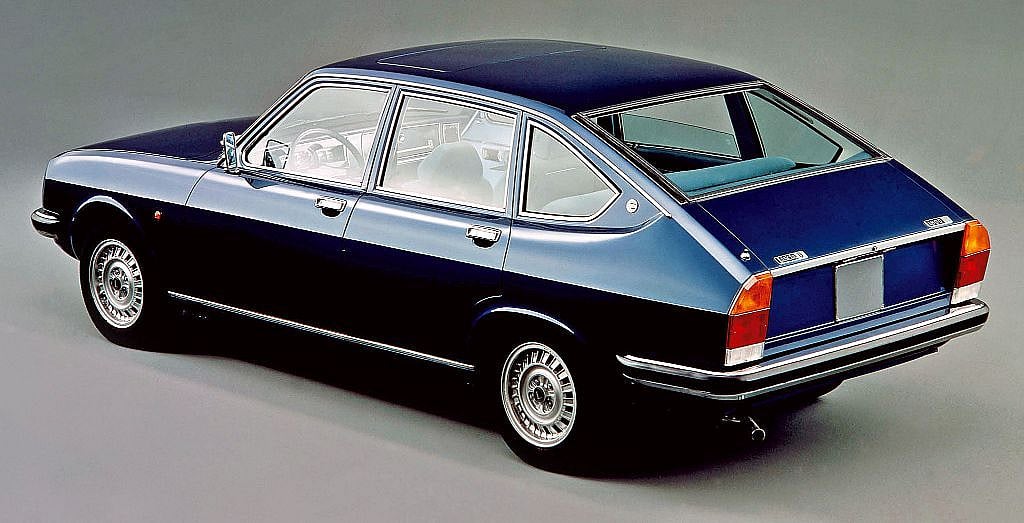
There are several cars throughout history that have been let down by poor execution alone, despite having been conceived and designed properly. The Lancia Beta was one of those.
Being the first all-new car to be developed after Fiat took control over the ailing brand, the Beta was Lancia’s big hope in getting back into business. And when it was launched at the Turin motor show in 1972, everyone thought it had the potential to do exactly that. It boasted disc brakes on all four corners, fully independent suspension with MacPherson struts front and rear, transverse front-wheel drive, impressive twin-cam engine mated to a five-speed manual gearbox, and was great to drive as well.
While all these factors should have made it a surefire hit and gone some way in turning Lancia’s fortunes around, they didn’t. This was solely because of the reputation that the model earned for being rust-prone. The Beta, especially early models, purportedly started corroding even while in the showrooms.
While many reasons have been given for these extraordinary instances of tin worn affliction, including inferior steel supplied to Fiat by the Soviet Union as well as haphazard assembly and poor rustproofing at the Fiat factory where employee strikes were common. Whatever the reason was, the unfortunate fact was what could have been a great car and a success story for Lancia, actually killed the brand in export markets including the UK and the US.
Despite a six-year warranty and assurances given by Fiat, customers grew increasingly weary of the brand and Lancia found it hard to shake the legacy off. Ironically, the car that Lancia hoped would revive its luck, accelerated its decline and eventual demise.
Sign up for the Daily Briefing
Get the latest news and updates straight to your inbox
Network Links
GN StoreDownload our app
© Al Nisr Publishing LLC 2026. All rights reserved.