US-Iran war: 5 things UAE residents need to know today
Strait of Hormuz, regional conflict and travel curbs put Gulf on edge
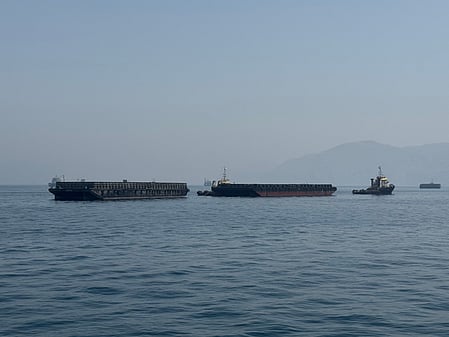
Hopes for a breakthrough in the Middle East war are hanging in the balance, with Iran waiting for Washington’s response to a proposal that could reopen the Strait of Hormuz, while fresh missile and drone attacks have kept neighbouring Saudi Arabia on high alert.
For UAE residents, the biggest issues today are the future of Hormuz, regional flights, oil prices and the expanding conflict in Yemen.
Here are five things to know.
1. Iran is waiting for Washington to make the next move
Diplomacy is now taking centre stage. Iran says it is waiting for a US response to its proposal for ending the conflict and reopening the Strait of Hormuz.
The Wall Street Journal reported that US President Donald Trump had rejected the proposal, but Reuters said Washington had not publicly confirmed that account. An Iranian official said Tehran was still awaiting an official response.
The proposal is significant because it links an end to fighting with restoring traffic through Hormuz — something Gulf states have been pushing for.
2. Hormuz remains the issue closest to home
The Strait of Hormuz is still operating far below normal levels, making the diplomatic negotiations particularly important for the UAE.
There was some improvement this week. Reuters reported that oil flows through the strait reached 33.7 million barrels in the week to September 23, their highest weekly level since the war began. But commercial traffic remains heavily disrupted compared with pre-war levels.
For UAE residents: Hormuz sits directly beside the Emirates. Continued disruption can increase shipping, freight and insurance costs and affect the movement of goods throughout the Gulf.
3. Saudi Arabia faced another wave of attacks today
The conflict with Yemen’s Iran-aligned Houthis also continues.
Saudi Arabia’s coalition said early Saturday that it intercepted two ballistic missiles and two drones launched by the Houthis. One missile was heading towards the Taif area, while the second targeted the Yanbu region, an important centre for Saudi oil infrastructure.
Two drones heading towards Riyadh were also intercepted, according to the coalition. The Houthis subsequently claimed attacks on several Saudi targets.
The fighting matters to the UAE because instability is now affecting both sides of the Arabian Peninsula — Hormuz to the east and the Red Sea and Yemen to the west.
4. Oil prices have fallen as hopes for diplomacy grow
There has been some welcome news for consumers.
Brent crude fell by around 2% on Friday, settling at $103.69 a barrel as markets reacted to signs that Washington and Tehran were exploring a possible route out of the war.
Prices remain high, however, and another attack on energy infrastructure or breakdown in negotiations could quickly change the picture.
For UAE residents: Oil prices do not translate directly into immediate changes at petrol stations, but sustained high energy, shipping and insurance costs can eventually feed into transport and the cost of imported goods.
5. There is one important new UAE flight restriction
The UAE has suspended all flights operated by Iranian airlines to and from the country. The measure took effect on September 24, according to the UAE General Civil Aviation Authority, and no end date has been announced.
The restriction does not mean UAE airports are closed. Dubai and Abu Dhabi continue operating, although travellers should check individual flights because regional schedules can change.
What should UAE residents take away today?
For most UAE residents, the latest reporting does not point to a need to change normal daily routines.
But this weekend could be important. The key development to watch is Washington’s response to Iran’s proposal. Progress could help reopen Hormuz and reduce pressure on oil markets. A breakdown in diplomacy, particularly alongside continued Houthi attacks on Saudi Arabia, could push the region towards another period of heightened instability.
For people in the UAE, Hormuz, Saudi-Yemen tensions, oil prices and regional aviation remain the four areas with the clearest potential impact on everyday life.
Network Links
GN StoreDownload our app
© Al Nisr Publishing LLC 2026. All rights reserved.