A lull in direct US-Iran hostilities continued on Tuesday as diplomatic activity gathered pace across the region. Oman has proposed a new mechanism for managing the Strait of Hormuz, while Washington confirmed a fresh round of Israel-Lebanon talks aimed at preventing renewed fighting along the border. But drone interceptions near Jordan and an Israeli strike in southern Lebanon highlighted that tensions across the wider Middle East remain far from resolved.
Israel and Lebanon to resume US-mediated talks
The next round of US-mediated negotiations between Israel and Lebanon will be held in Rome from August 4 to 6, the US State Department confirmed.
Get updated faster and for FREE: Download the Gulf News app now - simply click here.
The talks come as the two sides continue implementing a framework that calls for Hezbollah's disarmament, the deployment of Lebanese troops in southern Lebanon and a phased Israeli withdrawal through designated "pilot zones."
The negotiations are expected to concentrate on expanding the pilot-zone model, border security arrangements and preventing another escalation along Israel's northern frontier.
Oman proposes new Strait of Hormuz mechanism
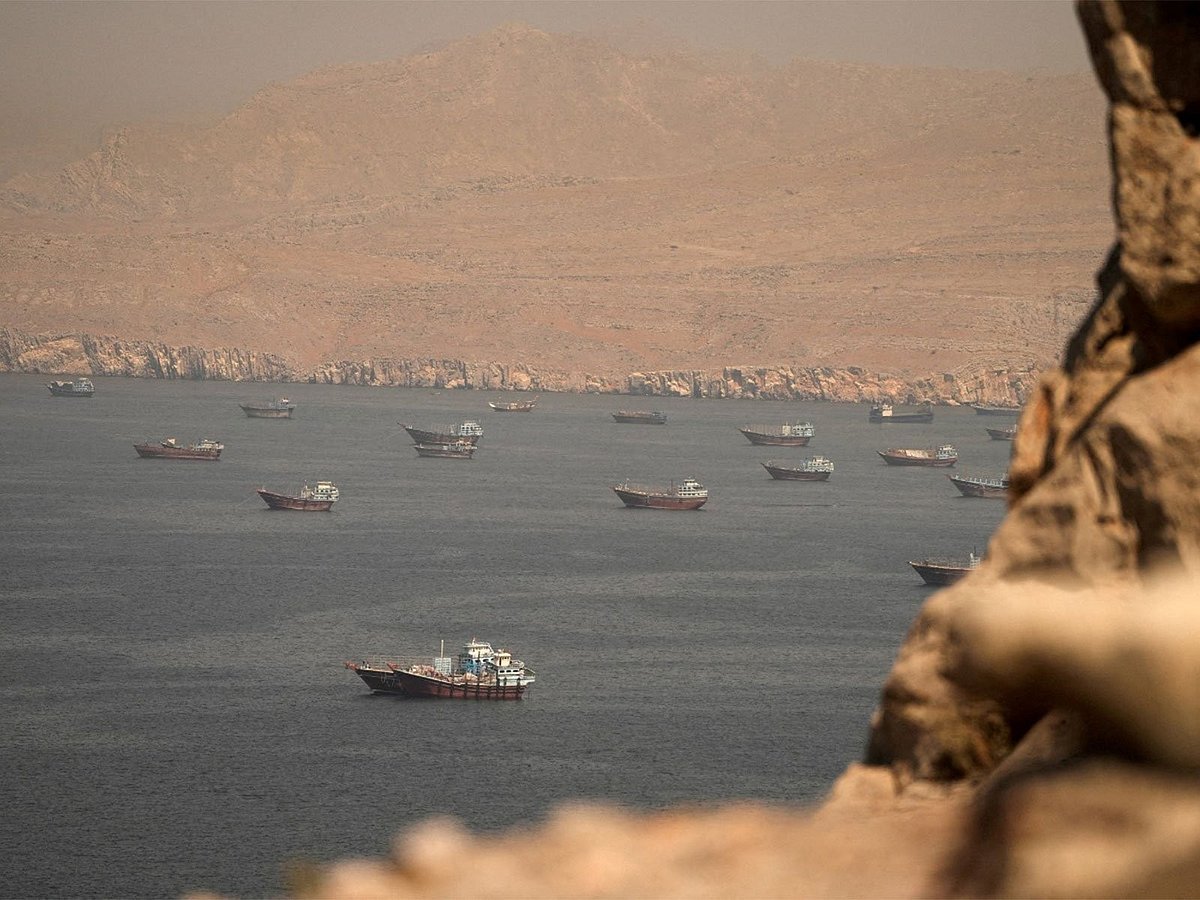
Diplomatic efforts also intensified around the Strait of Hormuz, one of the world's most strategically important shipping lanes.
Iranian Foreign Minister Abbas Araghchi held separate phone calls with Omani Foreign Minister Badr Al Busaidi and Saudi Foreign Minister Prince Faisal bin Farhan to discuss regional security and the waterway, according to Iranian state television.
Separately, Reuters reported that Oman has presented Iran with a regionally backed proposal for jointly managing the Strait of Hormuz. Citing a Gulf source, Reuters said the plan would draw on the Strait of Malacca model, letting users make voluntary contributions to fund navigation safety, environmental protection and search-and-rescue operations.
According to Reuters, the proposal has regional backing, although Iran has not publicly accepted it.
Shipping through the Strait of Hormuz has been severely disrupted during the conflict, with Iran asserting greater control over vessel movements through the strategic waterway.
US begins Europe force review
The United States formally launched its previously announced review of its military posture in Europe on Monday.
US Defence Under Secretary Elbridge Colby said the assessment is intended to ensure NATO members assume greater responsibility for conventional defence, reflecting long-standing calls by President Donald Trump and Defence Secretary Pete Hegseth for European allies to increase defence spending.
As part of the review, the Pentagon has already informed allies that it intends to reduce some US military assets assigned to NATO operations.
Drone interceptions reported near Jordan
Israel and Jordan separately reported drone interceptions near the common border on Tuesday.
The Israeli military said it intercepted an unmanned aerial vehicle near the Jordanian border, adding that it did not enter Israeli territory and that its origin remained under investigation.
Jordan's Armed Forces later said they intercepted and destroyed a drone that entered the kingdom's airspace over the eastern desert.
Neither country attributed responsibility for the aircraft, and it was not immediately clear whether the two announcements referred to the same drone.
Separately, Israel's military said a false identification triggered warning sirens near the Gaza border community of Kissufim.
Israeli strike hits southern Lebanon
In spite of ongoing diplomatic moves, violence continued in southern Lebanon.
Lebanon's state-run National News Agency reported that an Israeli drone carried out two strikes on a residential apartment in Nabatieh Al Fawqa, causing a fire inside the building.
No casualties were immediately reported.
Iran reports major gas production losses
Iran says its energy sector suffered heavy damage during the conflict.
Government spokesperson Fatemeh Mohajerani said attacks during the war knocked out around 230 million cubic metres per day of natural gas production capacity, significantly affecting the country's energy industry.
Mohajerani said Tehran had previously estimated that the conflict caused around $270 billion in direct and indirect economic losses. The figure is an Iranian government estimate and has not been independently verified.
Iran has also previously demanded compensation for what it says were losses caused by US and Israeli attacks.
While major military operations have eased in recent days, diplomatic activity over Lebanon, the Strait of Hormuz and wider regional security suggests efforts are intensifying to prevent another round of escalation.
Network Links
GN StoreDownload our app
© Al Nisr Publishing LLC 2026. All rights reserved.