Iran’s Hormuz weapon is slipping away. What’s Tehran’s next move?
Gulf oil flows recover as Iranian exports are squeezed, leaving Tehran with tough choices
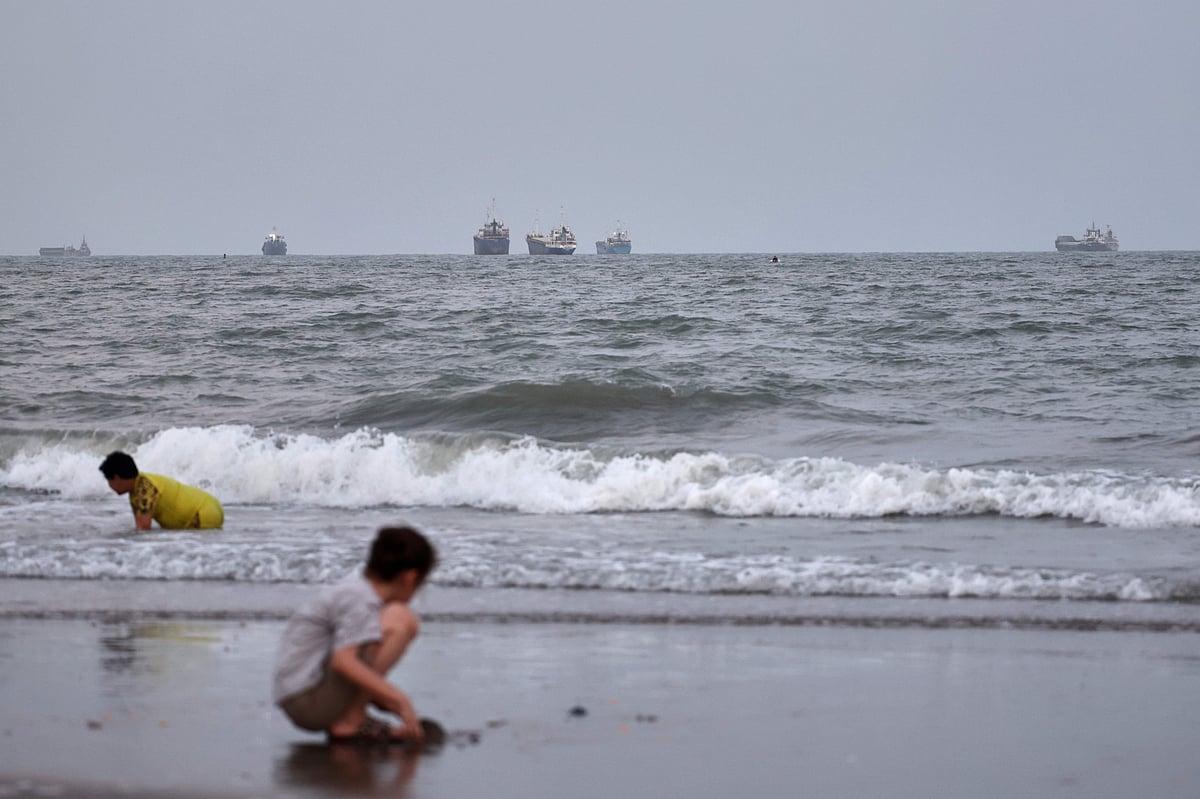
Dubai: For six months, Iran has possessed one weapon Washington could not easily neutralise: The ability to make the world pay for the war by choking the Strait of Hormuz.
Now that weapon may be losing some of its power.
Goldman Sachs estimates cited by CNN show Gulf oil flows have rebounded from 5-6 million barrels a day at their March low to 15-16 million now — around two-thirds of pre-war levels, while US forces are clearing shipping lanes and protecting commercial vessels transiting the Strait.
At the same time, Washington is maintaining a blockade on Iranian ports, severely restricting Tehran’s own oil exports.
CNN argues that the war may therefore have entered a “fourth act” in which pressure is increasingly falling on Iran rather than the United States.
If Gulf oil can increasingly reach world markets while Iranian exports remain blocked, Tehran’s greatest source of leverage begins to weaken.
So what can Iran do next?
Make Hormuz dangerous again
The most obvious option is escalation.
Iran could lay more mines, intensify drone and missile attacks or target commercial vessels to demonstrate that Washington cannot guarantee safe passage.
Tehran is already threatening precisely that. Mohsen Rezaei, secretary of Iran’s Supreme National Security Council, has warned that if the US continues its economic campaign, “not a single drop of oil” could leave the Arabian Gulf.
But the risk is enormous.
The US has concentrated substantial military firepower around Hormuz and has been working to clear shipping lanes. A major Iranian escalation could provoke another round of intense fighting without guaranteeing that Tehran can again cripple traffic.
HOW HORMUZ IS CHANGING
15–16m bpd: Arabian Gulf crude and product exports now, according to Goldman Sachs estimates
5–6m bpd: Flow at the March low
8–10m bpd: Estimated current flow through Hormuz itself
Nearly 1,500 vessels: Assisted through the Strait by US forces in recent months
750m barrels: Crude carried by those vessels, according to CENTCOM
Iran squeezed: US blockade continues to restrict Tehran’s own oil exports
Hidden traffic: “Dark” crossings and ship-to-ship transfers mean visible vessel counts understate actual flows
Open another front
Iran could also shift pressure elsewhere.
The Houthi militants in Yemen have demonstrated their ability to threaten shipping through Bab Al Mandeb and the Red Sea, potentially forcing vessels around Africa and pushing up freight and insurance costs.
Tehran could also return to threatening energy infrastructure in Arabian Gulf states, another option highlighted by CNN.
But both strategies could backfire. Renewed Houthi attacks risk further US military action, while targeting Gulf energy facilities could alienate governments that have been trying to mediate between Tehran and Washington.
Negotiate before leverage fades
Iran’s other option is diplomacy.
Oman has been discussing maritime arrangements with Tehran, while Pakistan and Qatar have continued efforts to find a path towards ending the conflict.
But Washington appears increasingly willing to wait.
President Donald Trump has said he is “not in a hurry” to resolve the conflict and has recently shown little interest in restarting direct talks, apparently believing economic pressure is working.
Iran, meanwhile, is under mounting strain.
Annual inflation reached 66 per cent in July, food inflation hit 128 per cent and the rial has plunged. President Masoud Pezeshkian said on Saturday that Iran’s foreign trade had fallen 35 per cent during the war.
That makes time increasingly important.
The longer commercial traffic through Hormuz recovers while Iranian exports remain squeezed, the less valuable Tehran’s biggest bargaining card could become.
Hormuz is not lost yet
Iran has certainly not lost its ability to disrupt the Strait.
Commercial traffic remains below normal, shipping companies still face significant risks and Tehran retains missiles, drones, mines and naval forces capable of making the waterway dangerous.
But the strategic question has changed.
For much of the war, Iran’s calculation was that disrupting Hormuz would raise global energy prices, hurt Western economies and eventually force Trump to compromise.
CNN argues that this calculation is now being tested as commercial oil flows recover and Washington maintains pressure on Iran’s own economic lifeline.
Tehran still has cards to play: Escalate in Hormuz, widen the conflict through the Red Sea, threaten Gulf energy infrastructure or negotiate.
But each carries growing risks.
And if Iran can no longer use Hormuz to make the rest of the world hurt more than it does, Tehran may eventually face the choice it has spent six months trying to avoid: Escalate dramatically — or negotiate from a weaker hand.

Sign up for the Daily Briefing
Get the latest news and updates straight to your inbox
Network Links
GN StoreDownload our app
© Al Nisr Publishing LLC 2026. All rights reserved.