Has the US quietly changed its objectives in Iran?
Nationwide strikes suggest Washington may now seek more than reopening Hormuz
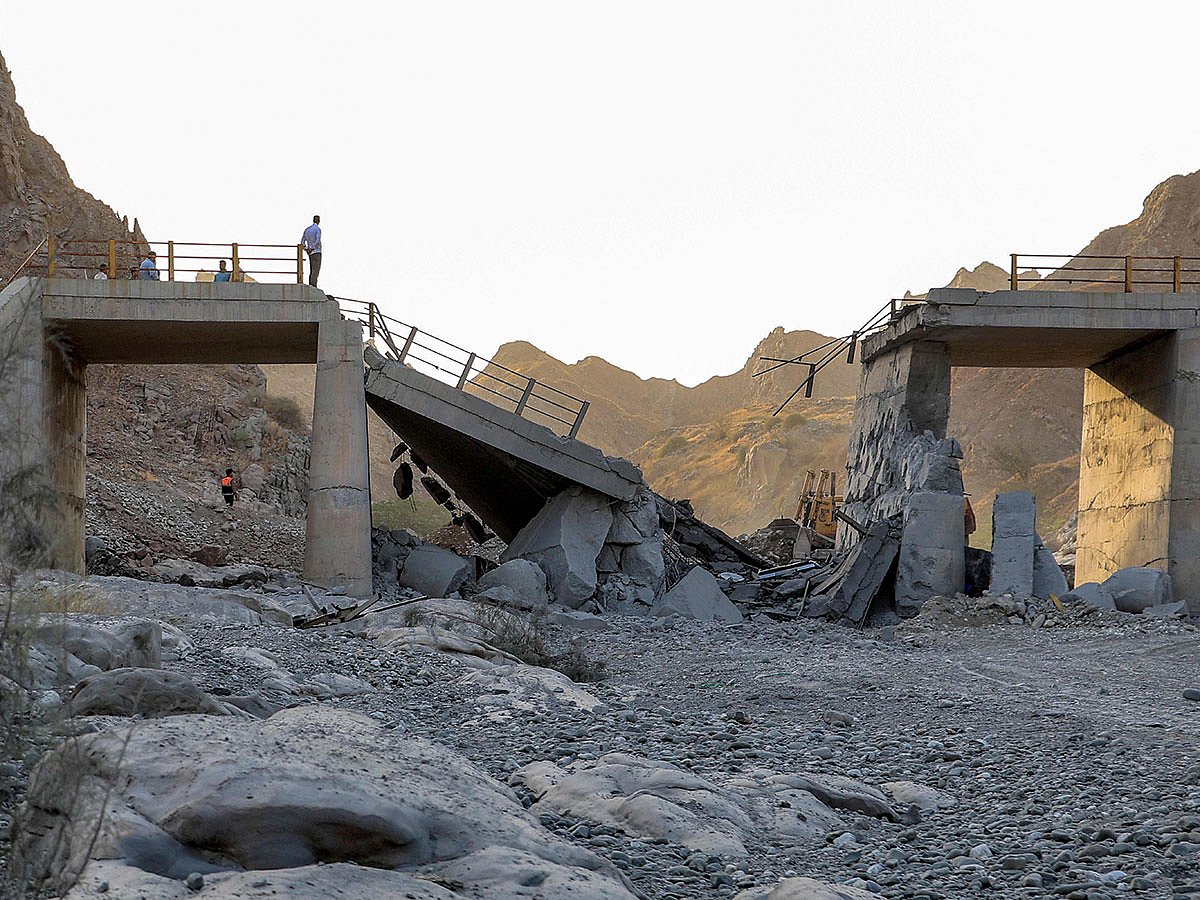
The latest wave of American strikes on Iran appears to mark more than simply an intensification of the fighting. Instead, it raises the possibility that Washington’s military campaign is evolving beyond its initial focus on the Strait of Hormuz.
When hostilities resumed after the collapse of last month’s interim agreement, the immediate attention centred on the strategic waterway. Iran had reimposed its blockade of the strait, shipping traffic had largely stalled and the United States responded by blockading Iranian ports while striking military positions linked to Iran’s operations around Hormuz.
But the geography and range of Monday’s attacks suggest the campaign may now be widening.
The United States struck targets across northern, central and southern Iran, including areas around Tabriz, Bushehr, Khuzestan, Hormozgan and Sistan-Baluchistan. According to the US military, the targets included command centres, air defence systems, coastal surveillance facilities, missile and drone launch sites, maritime capabilities and communications networks.
Washington has not announced any change in its military objectives. Yet the expanding target list raises an important question: Is the United States still primarily trying to reopen Hormuz, or is it increasingly seeking to degrade Iran’s broader military capabilities?
A broader target list
There is an important distinction between those objectives.
A campaign focused solely on reopening Hormuz would be expected to concentrate on coastal missile batteries, naval assets, surveillance systems and launch sites that directly threaten shipping through the strait.
Monday’s strikes, however, reached much deeper into Iran.
Among the locations hit was the area around Tabriz in the northwest, believed to host underground missile facilities operated by the Revolutionary Guards. Bushehr, home to Iran’s only operational civilian nuclear power plant, was also struck. AFP reported that all the provinces targeted host military bases and air defence systems.
Taken together, the strikes suggest the United States is targeting military infrastructure well beyond the immediate Hormuz theatre.
If that interpretation is correct, it would represent a shift from using military pressure to influence events around the waterway towards weakening Iran’s wider military capabilities across the country.
US Central Command said Monday marked the ninth consecutive night of strikes, an operational tempo that reflects an increasingly sustained campaign.
Trump links strikes to US deaths
The latest attacks also came after the United States announced three more military fatalities and one service member missing in action.
Two personnel were killed during Iranian missile and drone attacks on Jordan, while another died in Iraq during the controlled detonation of unexploded ordnance from a downed Iranian drone.
President Donald Trump said the United States had “hit them very hard” in honour of the American personnel killed.
That language is notable because it links the latest strikes not only to the battle over shipping but also to retaliation for attacks on American forces.
Seventeen US service members have now been confirmed killed since the conflict began on February 28. As those losses mount, military and political pressures on Washington are also likely to grow.
Each new casualty creates additional pressure on the administration to demonstrate that attacks on American personnel carry significant consequences, potentially broadening the military response beyond its original objectives.
Battlefield keeps expanding
Iran’s own actions reinforce the impression that the conflict is spreading beyond the Strait of Hormuz.
The Revolutionary Guards said they had struck or attempted to strike US-linked targets in Bahrain, Kuwait, Jordan and Syria. Air raid sirens sounded in Bahrain, while Kuwaiti air defences engaged incoming attacks.
Iran also claimed to have targeted US military aircraft at Aqaba Airport in Jordan and a special operations command centre in Syria’s Al-Tanf region.
At sea, a vessel caught fire after being struck by a projectile near the Omani coast, forcing its crew to abandon ship. Iran also claimed that two tankers attempting to transit Hormuz had been halted.
The strait remains central to the crisis, but it is increasingly only one theatre in a conflict stretching across much of the region.
As Iran demonstrates its ability to target US assets and partners beyond Hormuz, the United States appears to be responding by expanding strikes against military infrastructure across Iran itself.
Diplomacy continues despite the fighting
Despite the widening military campaign, both sides continue to insist that diplomacy remains possible.
US Secretary of State Marco Rubio said Washington remained open to negotiations, while Iran acknowledged that proposals had been conveyed through mediators.
Iran’s interior minister was also expected to travel to Pakistan, which has been acting as one of the intermediaries.
Yet diplomacy is unfolding alongside nationwide air strikes, regional missile attacks, naval blockades and rising casualties.
The existence of talks suggests both sides still see value in keeping diplomatic channels open, even as military operations continue to intensify.
A campaign that appears to be evolving
The United States may argue that every target struck remains connected to the original objective of restoring freedom of navigation through Hormuz. Missile bases, command centres, air defences and drone facilities all contribute to Iran’s ability to threaten shipping and US forces.
But the cumulative effect of the campaign is becoming harder to ignore.
Nine consecutive nights of strikes, attacks spanning multiple regions of Iran and an increasingly diverse target list suggest Washington’s military campaign may be evolving beyond its initial focus on Hormuz.
- with inputs from AFP and AP
Sign up for the Daily Briefing
Get the latest news and updates straight to your inbox
Network Links
GN StoreDownload our app
© Al Nisr Publishing LLC 2026. All rights reserved.