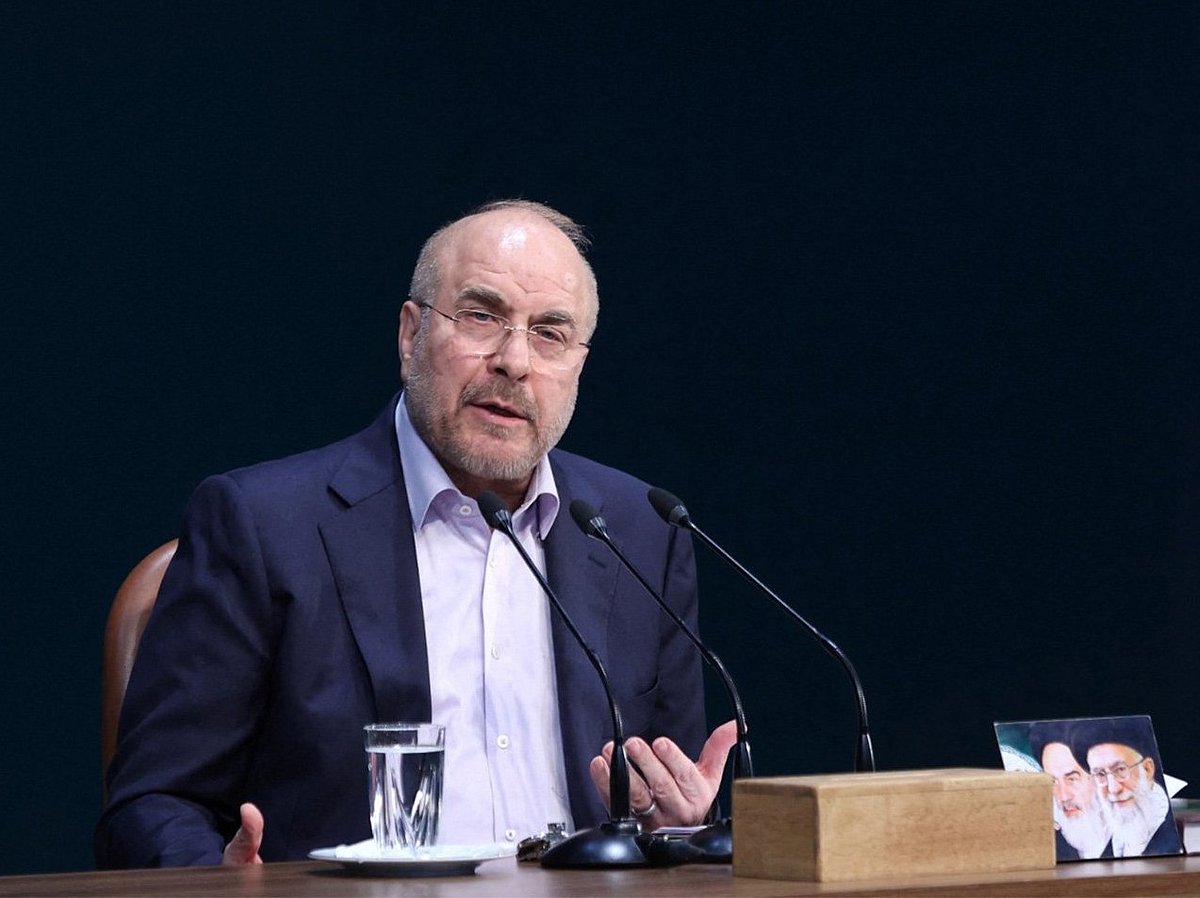
Iran's Parliament Speaker Mohammad Bagher Ghalibaf Issues Strong Support for Hezbollah and Lebanon Amid Escalating Tensions with Israel.
On June 14, 2026, Mohammad Bagher Ghalibaf, Speaker of the Islamic Consultative Assembly (Iran's Parliament) and a prominent hardline figure with deep Revolutionary Guards ties, posted a defiant message on X (formerly Twitter) reaffirming Iran's commitment to the "Axis of Resistance."
The post (translated from Persian):
"They can never isolate any part of the pillars of resistance alone. The jihad efforts of Lebanon's brave warriors and the powerful diplomacy of the Islamic Republic of Iran will guarantee the sovereignty and territorial integrity of dear Lebanon and will disrupt the crazy games and warmongering of the Israeli regime. Spin as we spin."
The phrase "barcharkh ta barcharkhim" ("spin as we spin") is a colloquial Iranian expression implying mutual escalation or retaliation in kind—essentially a warning that Iran and its allies will match or counter Israeli actions.Context and Background
This statement comes against the backdrop of renewed cross-border violence between Israel and Hezbollah in Lebanon.
Israel conducted strikes on targets in Lebanon, including reportedly hitting a Hezbollah command center in Beirut's southern suburbs (Dahieh), which it framed as retaliation for projectiles fired toward northern Israel.
Hezbollah, heavily backed by Iran, has long been a key pillar of the so-called "Axis of Resistance" — a network of Iranian-aligned groups including Hamas, the Houthis, and Iraqi militias opposing Israel and U.S. influence in the region.
Ghalibaf's message emphasizes intertwined elements of Iranian strategy: military/proxy support — praise for "Lebanon's brave warriors" (Hezbollah fighters) and the claim that no part of the resistance can be isolated — and diplomacy: Iran's "powerful diplomacy" as a complementary tool to safeguard Lebanon's sovereignty.
This dual-track rhetoric is typical for Iranian officials, blending threats of escalation with assertions of defensive strength and political manoeuvring.
The timing is notable, as it coincides with delicate US-Iran negotiations under the Trump administration and fragile regional ceasefires.
Sign up for the Daily Briefing
Get the latest news and updates straight to your inbox
Network Links
GN StoreDownload our app
© Al Nisr Publishing LLC 2026. All rights reserved.