Human-to-human hantavirus strain confirmed on cruise ship
Authorities trace nearly 90 contacts after rare Andes strain linked to cruise ship deaths
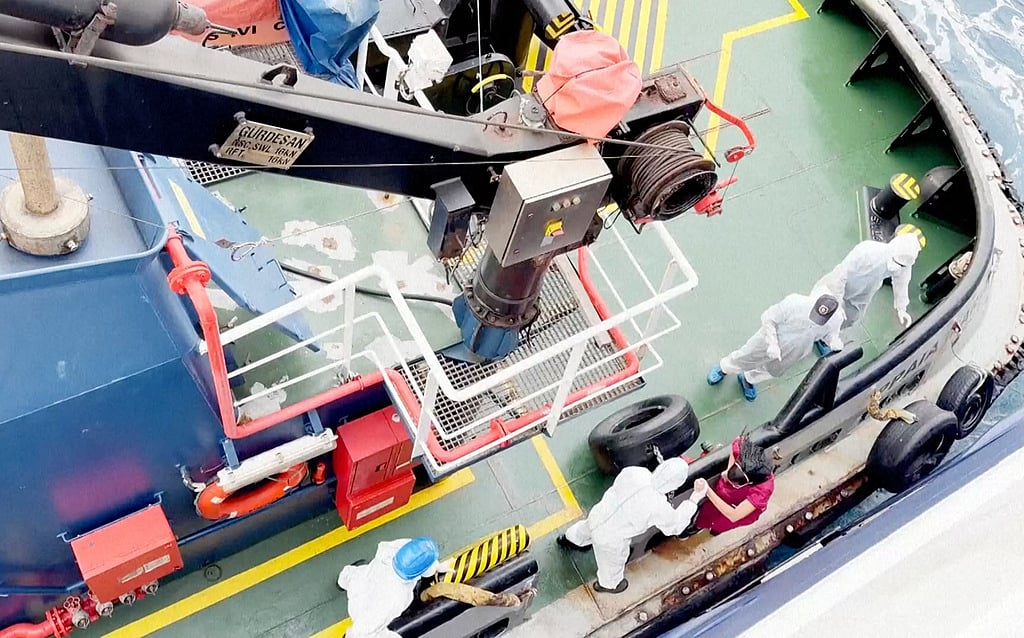
Dubai: South Africa has confirmed that a rare strain of hantavirus capable of spreading between humans was detected in a passenger evacuated from a stricken Atlantic cruise ship after three people died in the outbreak.
Health Minister Aaron Motsoaledi said preliminary tests identified the Andes strain — the only known hantavirus variant linked to human-to-human transmission — in a passenger transferred to Johannesburg from the remote Atlantic island of Saint Helena.
Authorities are now tracing nearly 90 people who were on the same commercial flight after a 69-year-old Dutch woman died in Johannesburg days after her husband, 70, died aboard the cruise ship. Another passenger, a British national, remains hospitalized in Johannesburg.
“And it happens to be the only strain out of the 38 that is known to cause human-to-human transmission,” Motsoaledi told a parliamentary committee, while stressing such spread is “very rare” and usually requires close contact between people.
The outbreak aboard the expedition cruise vessel MV Hondius has triggered an international response involving the World Health Organization and South African health authorities amid concerns that limited person-to-person transmission may have occurred in the ship’s confined environment.
Passengers being traced
WHO has so far reported two confirmed and five suspected cases linked to the outbreak.
The Dutch woman had reportedly developed “gastrointestinal symptoms” before being evacuated from Saint Helena on April 24. She died in a Johannesburg hospital on April 26 after her condition worsened during the flight, according to WHO.
Officials are now tracing passengers, airport contacts and hospital staff who may have interacted with her.
“We need to know who were the people who were in contact with this lady,” Motsoaledi said.
Why the Andes strain matters
Hantaviruses are typically spread to humans through exposure to infected rodent urine, saliva or droppings and are generally not contagious between people.
But the Andes strain, found mainly in South America, is considered unique because it has previously shown limited human-to-human transmission in rare cases.
That possibility has drawn global attention to the cruise ship outbreak, where passengers and crew shared close quarters for extended periods.
Health experts stress, however, that the overall public risk remains low and there is no evidence of sustained community transmission.
Symptoms to watch for
Early hantavirus symptoms can resemble the flu, making the infection difficult to identify in its initial stages.
Common symptoms include:
Fever
Fatigue
Muscle aches
Headache
Dizziness
Nausea or gastrointestinal illness
As the disease progresses, some patients can develop:
Shortness of breath
Severe respiratory distress
Rapid breathing difficulty
In serious cases, the infection can lead to Hantavirus Pulmonary Syndrome (HPS), a life-threatening condition that can rapidly progress to respiratory failure.
Health experts say severe hantavirus infections can carry mortality rates of up to 40%, making early medical attention critical.
Should you worry?
For most people, health authorities say the immediate risk remains low.
Experts emphasise that:
Human-to-human transmission is extremely uncommon
Close and prolonged contact is usually required
There is no sign of wider community spread
Still, the outbreak is being closely monitored because it involves the rare Andes strain and occurred in a crowded international travel setting, raising concerns about how unusual viruses can spread in confined environments such as cruise ships and aircraft.

Sign up for the Daily Briefing
Get the latest news and updates straight to your inbox
Network Links
GN StoreDownload our app
© Al Nisr Publishing LLC 2026. All rights reserved.