GCC leaders meet in Jeddah to discuss Iran war and regional security
First in-person summit since war began aims to craft response to Iran’s aggression
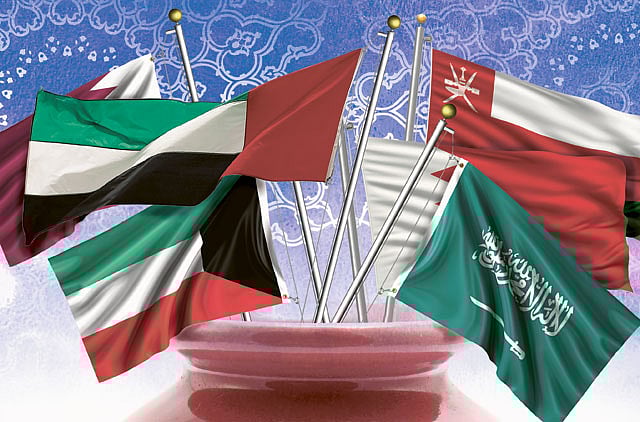
Dubai: Saudi Arabia is hosting an exceptional meeting of the Gulf Cooperation Council in Jeddah on Tuesday, the first in-person meeting of Gulf leaders since their states became a front in the Iran war two months ago.
A Gulf official, speaking on condition of anonymity, told Reuters the meeting aimed to craft a response to the thousands of Iranian missile and drone attacks Gulf states have faced since the US and Israel launched the war with strikes on Iran on February 28.
The war has seen key energy infrastructure in all six GCC states damaged, with US-linked firms and other civilian infrastructure, as well as military installations, also targeted.
Attacks have subsided since the US and Iran entered a ceasefire on April 8, though Gulf capitals remain wary of resumed conflict, with US-Iran talks for a permanent deal to end the conflict so far inconclusive.
Sheikh Abdullah bin Zayed Al Nahyan, Deputy Prime Minister and Minister of Foreign Affairs, Bahrain’s King Hamad bin Isa Al Khalifa, Qatar’s Emir Sheikh Tamim bin Hamad Al Thani, and Kuwait’s Crown Prince Sheikh Sabah Khaled Al Hamad Al Sabah arrived in Jeddah to attend the summit, Saudi state media reported. It was unclear who would represent Oman, the remaining member of the GCC along with Saudi Arabia, which hosts the council’s headquarters.
Weak position
The GCC has faced some criticism from the UAE over what it said has been an inadequate response to the war.
“It is true that, logistically, the GCC countries supported each other, but politically and militarily, I think their position was the weakest in history,” Anwar Gargash, Diplomatic Advisor to the UAE President, told a conference in the UAE on Monday.
“I expected such a weak position from the Arab League, and I am not surprised by it, but I have not expected it from the GCC, and I am surprised by it.”
Ahead of the meeting, Qatar on Tuesday cautioned against the possibility of a “frozen conflict” in the Gulf, as talks between the US and Iran for a peace deal appeared at an impasse.
“We do not want to see a return to hostilities in the region anytime soon; we do not want to see a frozen conflict that ends up being thawed every time there is a political reason,” Qatar’s foreign ministry spokesman Majed Al Ansari said at a press conference.
The White House said on Monday that it was examining Iran’s latest proposal to unblock the Strait of Hormuz, which has been effectively closed for two months since the start of the Middle East war.
Peace talks between the United States and Iran to comprehensively end the war and fully reopen the vital strait have so far proven inconclusive since a ceasefire came into force on April 8.
“We are very keen to see an end to this war that is sustainable, that takes into account all of our concerns in the region and beyond,” Ansari added.
Iran launched waves of missiles and drones against Gulf states, including Qatar, in response to US and Israeli strikes on the Islamic republic that began on February 28.

Sign up for the Daily Briefing
Get the latest news and updates straight to your inbox
Network Links
GN StoreDownload our app
© Al Nisr Publishing LLC 2026. All rights reserved.