Europe unveils $50 billion long-range missile project
Deep Precision Strike project targets 2030s deployment amid NATO burden debate
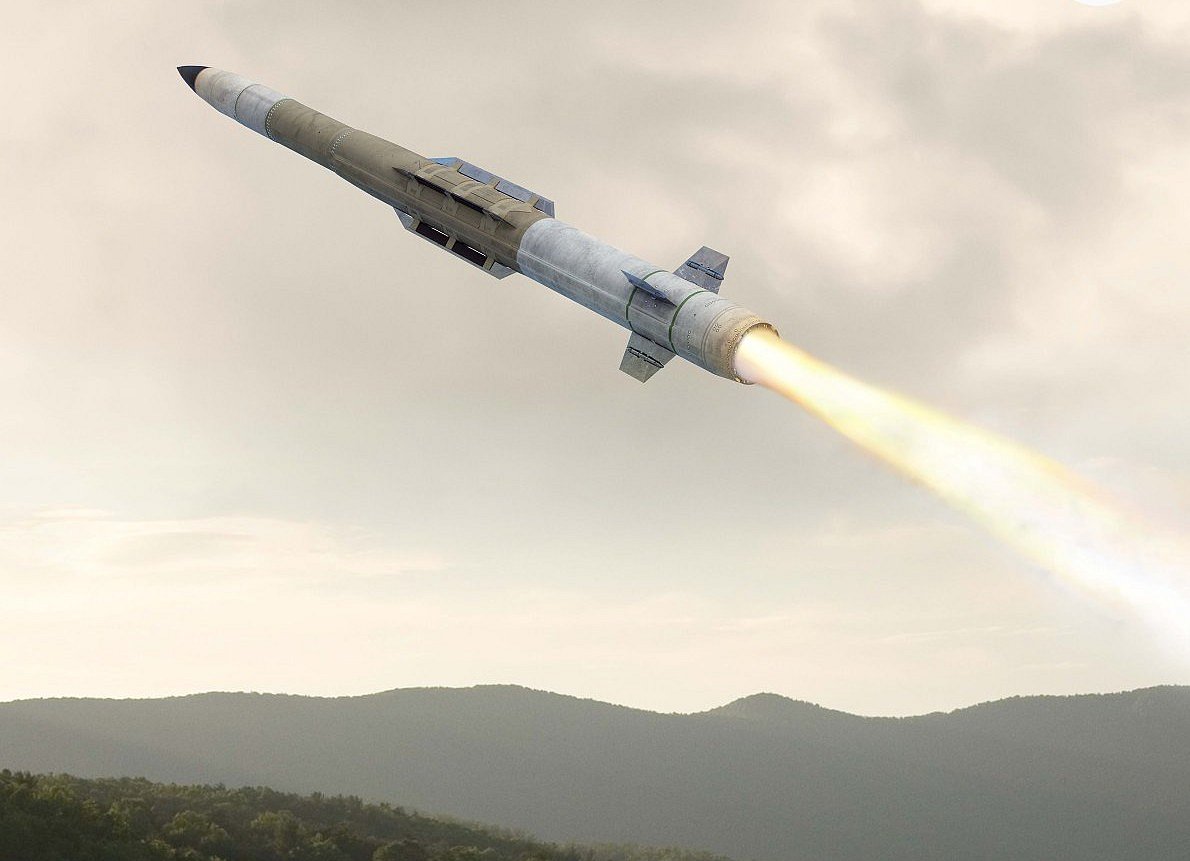
A coalition of 12 countries, led by the UK, is launching a more than £37 billion ($50 billion/€43 billion) programme to develop a new long-range precision missile system aimed at strengthening Nato's defenses against emerging threats across Europe.
The Deep Precision Strike initiative is expected to be formally discussed Wednesday during the Nato summit in Ankara, where allied leaders are focusing on defense spending, military readiness and Europe's long-term security amid continued tensions with Russia and uncertainty over future US military commitments.
British Prime Minister Keir Starmer said the project would help European allies develop advanced strike capabilities while reinforcing Nato's collective deterrence.
The missile is designed to hit targets at distances of nearly 200 miles (300 km) with high precision, with future variants potentially capable of reaching 1,250 miles (2,000 km). The system is not expected to enter service until the 2030s.
The announcement comes as Nato members continue expanding defense cooperation following Russia's invasion of Ukraine and amid growing calls for European allies to assume a larger share of the alliance's military burden.
Starmer is attending what is expected to be his final Nato summit as Britain's prime minister.
He is also facing pressure from US President Donald Trump over Britain's plans to meet Nato's target of spending 3.5% of gross domestic product on defense by 2035, a goal endorsed by most alliance members last year.
The debate over burden-sharing has intensified after US Defense Secretary Pete Hegseth announced in June a six-month review of US troop deployments in Europe, raising questions about the future American military footprint on the continent.
The Deep Precision Strike programme reflects a broader European push to invest in indigenous defense capabilities, reduce dependence on US weapons systems and improve NATO's ability to respond rapidly to potential conflicts on its eastern flank.
Sign up for the Daily Briefing
Get the latest news and updates straight to your inbox
Network Links
GN StoreDownload our app
© Al Nisr Publishing LLC 2026. All rights reserved.