Thailand visa-free stay cut: Start date revealed; UAE, India among 60 countries affected
Planning a Thailand trip? UAE and India travellers will soon face a shorter visa-free stay
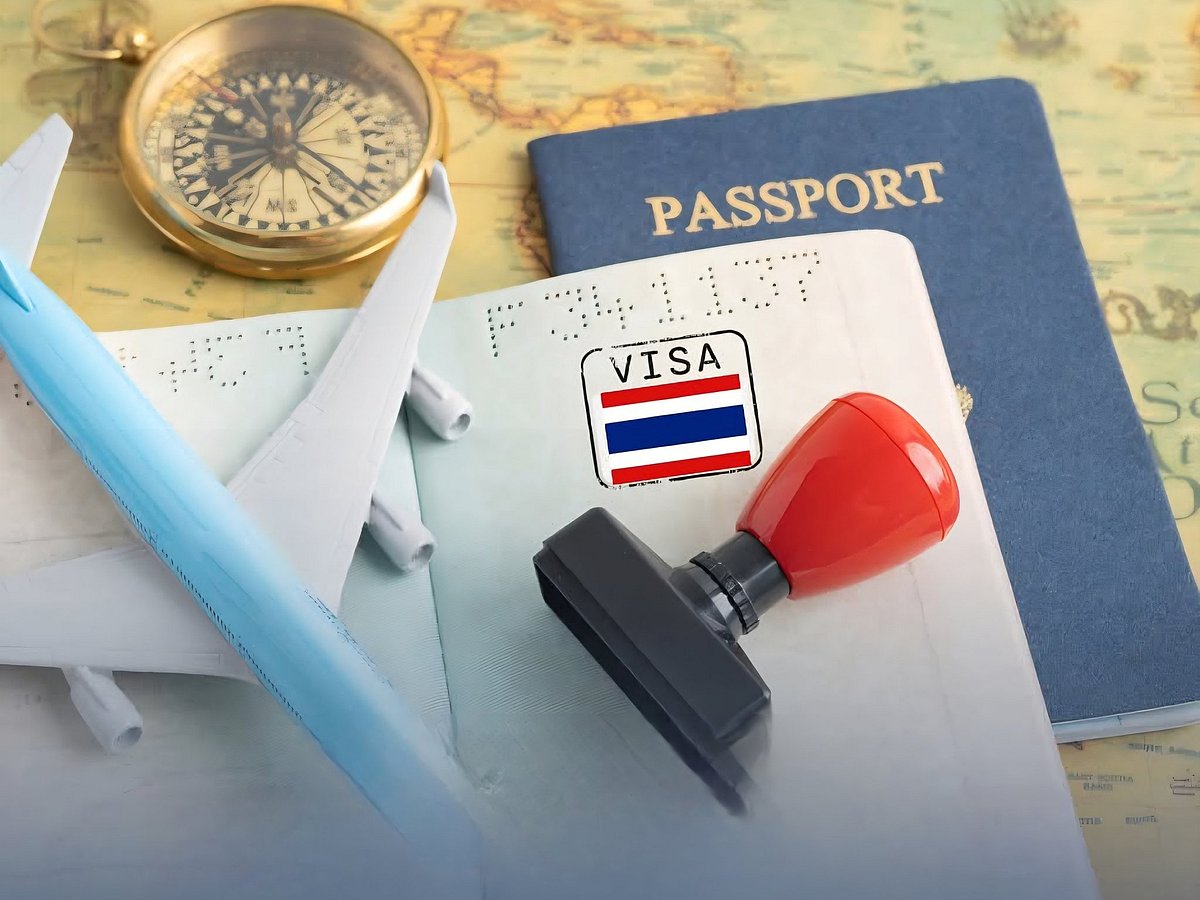
Dubai: Thailand depends heavily on foreign tourists, and visitor numbers are already down this year. Yet it is about to halve visa-free stays for travellers from dozens of countries from 60 days to 30.
Thailand’s Foreign Ministry said on Tuesday that the revised visa-free rules will officially take effect on September 15.
So why is one of Asia’s biggest holiday destinations making it harder for visitors to stay longer?
The answer lies less with ordinary tourists and more with foreigners whom Thai authorities say have been exploiting generous visa rules to commit crimes, work illegally or operate businesses without the appropriate permits.
Thailand introduced its expanded 60-day visa exemption in July 2024, allowing travellers from 93 countries and territories to stay for up to two months without obtaining a visa.
But Foreign Minister Sihasak Phuangketkeow said when the government approved the change that shortening stays was part of a crackdown on abuse of the visa system.
Recent arrests have involved foreign nationals accused of offences including drug crimes and sex trafficking, as well as operating businesses such as hotels and schools without proper permits, AFP reported.
Who gets 30 days visa-free?
Australia, Austria, Bahrain, Belgium, Bhutan, Brunei, Bulgaria, Canada, Croatia, Cyprus, Czech Republic, Denmark, Estonia, Fiji, Finland, France, Georgia, Germany, Greece, Hungary, Iceland, India, Indonesia, Ireland, Israel, Italy, Japan, Jordan, Kuwait, Kyrgyzstan, Latvia, Liechtenstein, Lithuania, Luxembourg, Malaysia, Maldives, Malta, Netherlands, New Zealand, Norway, Oman, Philippines, Poland, Portugal, Qatar, Romania, Saudi Arabia, Singapore, Slovakia, Slovenia, South Africa, Spain, Sweden, Switzerland, Taiwan, Turkey, Ukraine, United Arab Emirates, United Kingdom and United States.
What changes from September 15?
30 days — Visa-free stay, down from 60 days for affected travellers
30 more days — One extension can be requested, subject to immigration approval
2 land entries — General limit per calendar year for visa-exempt land-border crossings
15 days — Separate visa exemption for Mauritius and Seychelles
Visa on Arrival — Limited to Azerbaijan, Belarus and Serbia
Already in Thailand? — Those admitted under the 60-day scheme before September 15 keep the stay originally granted
Different rules for some — Bilateral agreements remain in force, including 90-day visa-free stays for Argentina, Brazil, Chile, South Korea and Peru
Who gets only 30 days?
Under regulations published in Thailand’s Royal Gazette on August 31, the special 60-day arrangement will be repealed.
From September 15, nationals of 60 countries and territories will instead qualify for a 30-day visa exemption for tourism.
The list includes the UAE, India, United States, United Kingdom, Canada and Australia, as well as many European and Asian countries.
Travellers who need longer will still be able to request a one-time extension of up to another 30 days, subject to approval by immigration authorities.
Those entering Thailand before the new rules take effect will not suddenly lose part of their stay. Travellers admitted under the existing scheme by September 14 will retain the period granted when they entered, VisasNews reported, citing the new regulations.
What about ‘visa runs’?
Another change targets travellers repeatedly crossing Thailand’s land borders.
Visa-exempt visitors will generally be limited to two entries through land border checkpoints per calendar year. The restriction does not impose the same two-entry limit on arrivals by air.
Brunei, Indonesia, Malaysia and Singapore are exempt from the land-border restriction.
The measure could make it more difficult to use repeated border crossings to remain in Thailand for extended periods without obtaining an appropriate long-stay visa.
But doesn’t Thailand need more tourists?
Very much so.
Thailand has welcomed 20.9 million foreign visitors so far this year, according to official figures cited by AFP. That is 3 per cent fewer than during the same period in 2025.
Tourism is a major pillar of the Thai economy, making the decision to tighten the rules particularly striking.
But Bangkok appears to be drawing a clearer distinction between short-term tourists and foreigners effectively using tourist exemptions to live, work or conduct business in the country.
For most holidaymakers, officials appear to be betting that 30 visa-free days — with the possibility of another 30-day extension — will still be sufficient.
Other arrangements will also remain.
Mauritius and Seychelles will receive a separate 15-day visa exemption, while Visa on Arrival will be limited to Azerbaijan, Belarus and Serbia, according to the regulations reported by VisasNews.
Separate bilateral visa-waiver agreements will continue to apply to some nationalities.
The result is not the end of visa-free travel to Thailand. Rather, Bangkok is rolling back an unusually generous two-year-old experiment, while trying to preserve easy entry for genuine tourists and tighten the rules on those it believes have been taking advantage of it.

Sign up for the Daily Briefing
Get the latest news and updates straight to your inbox
Network Links
GN StoreDownload our app
© Al Nisr Publishing LLC 2026. All rights reserved.