Senate lets AMLC chief testify in Duterte impeachment trial
Bank secrecy law exception invoked in Duterte impeachment proceedings
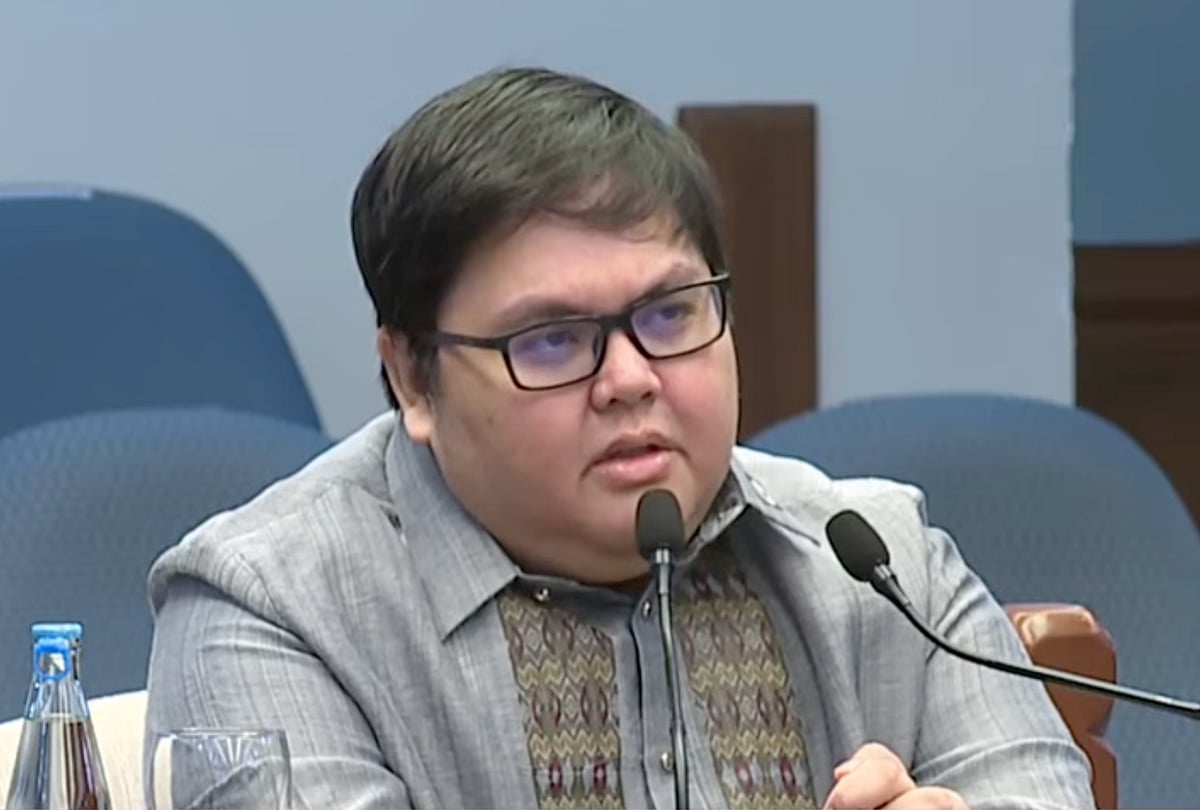
MANILA: The Senate impeachment court on Monday (Oct. 5, 2026) allowed the executive director of the Anti-Money Laundering Council (AMLC) to testify about alleged suspicious financial transactions involving Vice President Sara Duterte, and her husband Manases Carpio, rejecting the defence’s bid to block the testimony on bank-confidentiality grounds.
Presiding officer Sen. Francis “Chiz” Escudero denied the motion by Duterte’s legal team to exclude AMLC Secretariat Executive Director Ronel Buenaventura, who was called by prosecutors on the 33rd day of Duterte’s impeachment trial.
Defence invokes bank secrecy
Defence lawyer Mark Vinluan had asked the court to defer or exclude Buenaventura’s testimony, citing laws that protect the confidentiality of bank deposits and AMLC information.
Escudero, however, said the Bank Secrecy Law explicitly permits inquiry into bank deposits in impeachment proceedings, meaning bank confidentiality is not an absolute obstacle to a constitutional accountability process.
“Section 2 of Republic Act No. 1405 … separately and expressly permits inquiry into bank deposits in cases of impeachment,” Escudero said.
“While this exception does not by itself dispose of the distinct confidentiality imposed on AMLC information, it confirms the policy that bank secrecy is not an absolute bar to the constitutional accountability process.”
The presiding officer said Buenaventura could identify, authenticate and explain reports covered by the Senate subpoena.
He added that the defence could raise objections as the witness gave his testimony.
“The motion to exclude is denied without prejudice to the counsel for respondents making any objections in the course of the testimony,” Escudero said.
In April, during the House Justice Committee's hearing on impeachment complaints against Vice President Sara Duterte, the AMLC said it received reports of "suspicious" and "covered" bank transactions amounting to ₱6.77 billion linked to Vice President Sara Duterte and her husband, Manases "Mans" Carpio.
The claims remain allegations presented by the prosecution and are subject to challenge, cross-examination and the impeachment court’s assessment of the evidence.
Witness says he was nervous
Buenaventura appeared visibly uneasy as he took the witness stand to testify on the prosecution’s allegation of unexplained wealth.
Before proceedings resumed after the lunch break, Escudero asked whether the AMLC official had eaten.
“Hindi po (No), Your Honor,” Buenaventura replied.
Asked why, he answered: “Hindi po makakain. Kinakabahan po" ("I could not eat. I was nervous.”)
Buenaventura is the AMLC Secretariat’s executive director and is expected to explain the agency’s reports, including records that prosecutors say may support allegations of unusual or suspicious transactions.
Why the ruling matters
Monday’s ruling is a significant procedural victory for the prosecution because it clears the way for testimony involving highly sensitive financial records — an area central to allegations that Duterte and people connected to her accumulated or moved wealth that prosecutors say requires explanation.
The defence may still object to specific questions, documents or portions of the testimony.
Escudero’s ruling did not automatically make every AMLC record admissible; instead, it allowed the witness to testify and left evidentiary objections to be resolved during the proceedings.
The dispute also puts two legal principles in tension: the confidentiality protections under banking and anti-money-laundering laws, and the Senate’s constitutional role as an impeachment court.
Escudero’s ruling indicates that, in an impeachment proceeding, bank secrecy cannot be used as a blanket shield against scrutiny of records relevant to possible constitutional accountability.
Network Links
GN StoreDownload our app
© Al Nisr Publishing LLC 2026. All rights reserved.