Imran Khan’s PTI loses KP control: What happens next?
Pakistan imposes governor’s rule amid terrorism concerns, detains PTI leaders
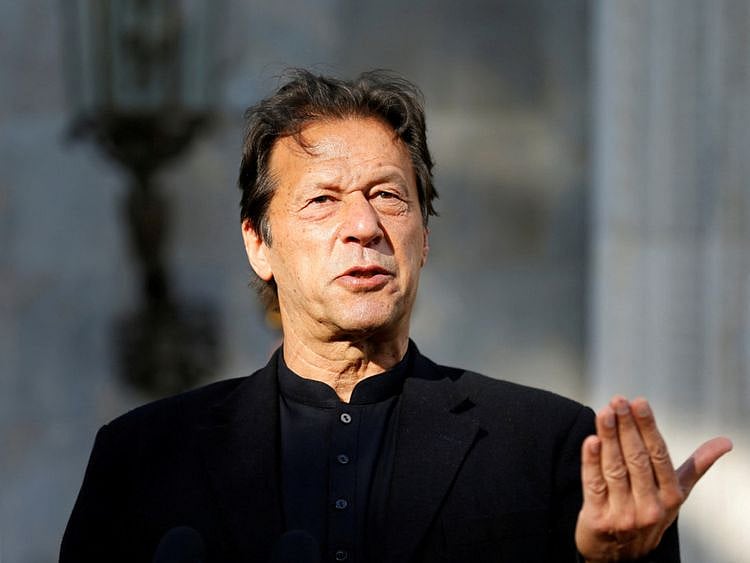
Dubai: Pakistan’s jailed former prime minister Imran Khan faces a fresh political setback after the federal government imposed governor’s rule in Khyber Pakhtunkhwa (KP), stripping his Pakistan Tehreek-e-Insaf (PTI) party of control over the province it has governed for years.
The dramatic intervention on Sunday, October 11, came amid escalating tensions between Prime Minister Shehbaz Sharif’s government and Khan’s PTI over counterterrorism policy and the opposition party’s planned march towards Islamabad to demand Imran Khan’s release.
The crisis deepened when suspended KP Chief Minister Sohail Afridi, a key PTI leader, and several other politicians were taken into preventive custody, while security forces blocked roads and restricted movement in Peshawar, capital city of Khyber Pakhtunkhwa.
Deteriorating security
The federal government insists the extraordinary constitutional measures were necessary because of deteriorating security and what it described as the PTI-led provincial administration’s failure to cooperate in the fight against terrorism.
However, Khan’s party has rejected the allegations, accusing the federal government of using security concerns to remove an elected government and undermine the opposition.
For Imran Khan, the loss of administrative control in KP represents a significant challenge because the province has been an important centre of PTI’s political organisation and mobilisation.
Why was governor’s rule imposed?
President Asif Ali Zardari approved the imposition of emergency under Article 232 and governor’s rule under Article 234 of the Constitution following a recommendation from the federal cabinet.
The government cited rising militant violence, particularly in districts bordering Afghanistan, and accused the PTI administration of failing to support counterterrorism operations.
Federal ministers also alleged links between the provincial administration and militant groups, although they have not publicly presented evidence supporting those allegations. PTI strongly denies the accusations.
Setback for Imran Khan
Khyber Pakhtunkhwa province has been governed by PTI since 2013 and remained the party’s most important provincial stronghold after Khan was removed as prime minister in 2022. The province provided PTI with an elected administration, political influence and an organisational base for protests demanding Khan’s release.
The latest confrontation coincided with a PTI march towards Islamabad, led by Sohail Afridi, to demand the former prime minister’s freedom.
The detention of Afridi, provincial assembly speaker Babar Saleem Swati and other party figures has disrupted PTI’s leadership structure in the province.
Khan has been imprisoned since 2023, and his party maintains that the legal cases against him are politically motivated.
Who is running KP now?
Governor Faisal Karim Kundi has assumed executive authority, supported by an 11-member advisory council.
Addressing the provincial apex committee alongside Interior Minister Mohsin Naqvi on Monday, Kundi said defeating terrorism would be his administration’s immediate priority. “We can sacrifice our development, but never security,” he declared.
Naqvi accused the previous provincial government of failing to lead the fight against terrorism and said closer coordination between federal and provincial authorities would now produce results. The federal government has also authorised military assistance to the civilian administration.
Immediate impact
The security measures have already disrupted life in parts of KP. Shipping containers have blocked roads in Peshawar, while police deployments, mobile service suspensions and internet disruptions have affected residents.
Schools and colleges in Peshawar, Mardan, Swabi and Nowshera were also closed on Monday.
In the longer term, the new administration is expected to prioritise security operations, particularly in terrorism-affected districts.
However, prolonged restrictions could affect businesses, transport, education and daily activities.
The government’s decision to prioritise security over development could also influence provincial spending.
What happens next?
PTI chairman Gohar Ali Khan has said the party will challenge the emergency and governor’s rule in the courts and Parliament.
He has also maintained that the march demanding Khan’s release has not been called off.
The immediate constitutional test will come in Parliament. Because the emergency was imposed without a provincial assembly resolution, both houses must approve it within 10 days. Governor’s rule can continue for a maximum of six months, subject to the required parliamentary approvals.
For Khan and PTI, the central challenge is how to continue their political campaign without control of the provincial government.
For Prime Minister Shehbaz Sharif’s administration, the challenge is to demonstrate that direct federal intervention can deliver improvements in security while addressing concerns about provincial autonomy.
The coming weeks will determine whether the measures lead to greater cooperation against terrorism or a prolonged confrontation between the federal government and Khan’s party.
Network Links
GN StoreDownload our app
© Al Nisr Publishing LLC 2026. All rights reserved.