Yoshihiko Noda, co-leader of the Centrist Reform Alliance, delivers a speech during the House of Representatives election campaign in Tokyo on February 1, 2026.
Former Japanese prime minister Yoshihiko Noda has returned to a familiar routine: standing at a railway station and handing political leaflets to commuters.
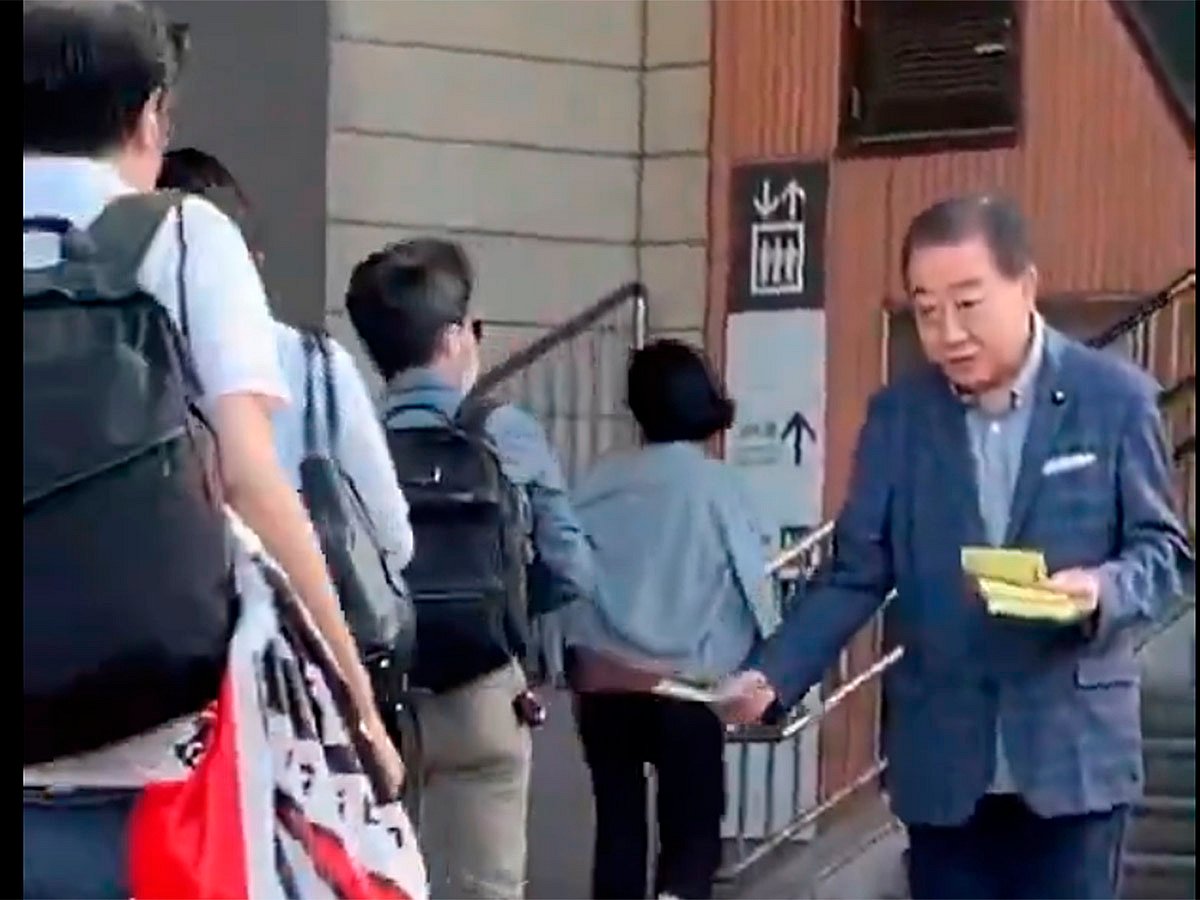
On September 18, Noda was at Minami-Funabashi Station in Chiba, where he handed out flyers during the morning rush.
His official schedule lists the activity from 6:30 am to 8:30 am, with the session focused on supporting the local constituency.
The leaflets covered local issues including disaster insurance, child support and prefectural reform, according to reports.
A routine dating back to 1986
Noda reportedly began handing out leaflets at railway stations in 1986, years before he entered national politics. He was elected to the Chiba prefectural assembly in 1987 and to Japan’s House of Representatives in 1993.
He later served as finance minister before becoming prime minister in September 2011. He remained in office until December 2012.
Noda’s appearances at stations have continued long after his time as prime minister. His official website lists regular early-morning station activities throughout September 2026, with leafleting rather than speeches.
From station steps to the prime minister’s office
Noda, who grew up in Chiba, built his political career through direct contact with voters. Station entrances became one of his regular points of contact with the public.
His latest appearance attracted attention partly because commuters appeared to treat him much as they would any other local politician. Some recognised him and accepted his leaflets, while others walked past without appearing to notice him.
Four decades of grassroots politics
Leaflet distribution and station greetings are familiar features of Japanese political campaigning and constituency work. For Noda, however, the routine has lasted for almost four decades.
Even after reaching Japan’s highest political office, he has continued to return to railway stations in the early morning, maintaining a direct connection with voters and local communities.
His persistence offers an unusual glimpse into the less glamorous, day-to-day side of political life. This routine began long before he became prime minister and continues decades after leaving office.
Network Links
GN StoreAbout Gulf NewsTerms & ConditionsReach by GNSitemapContact usPrivacy PolicyGN FocusHave your sayWork with usAdvertise with usGulf News epaperPrinting Services
Download our app
© Al Nisr Publishing LLC 2026. All rights reserved.