Lawsuit accuses Starbucks of mislabeling 8 'sugar-free' protein drinks
Starbucks accused of violating labeling laws with sugar content in protein drinks
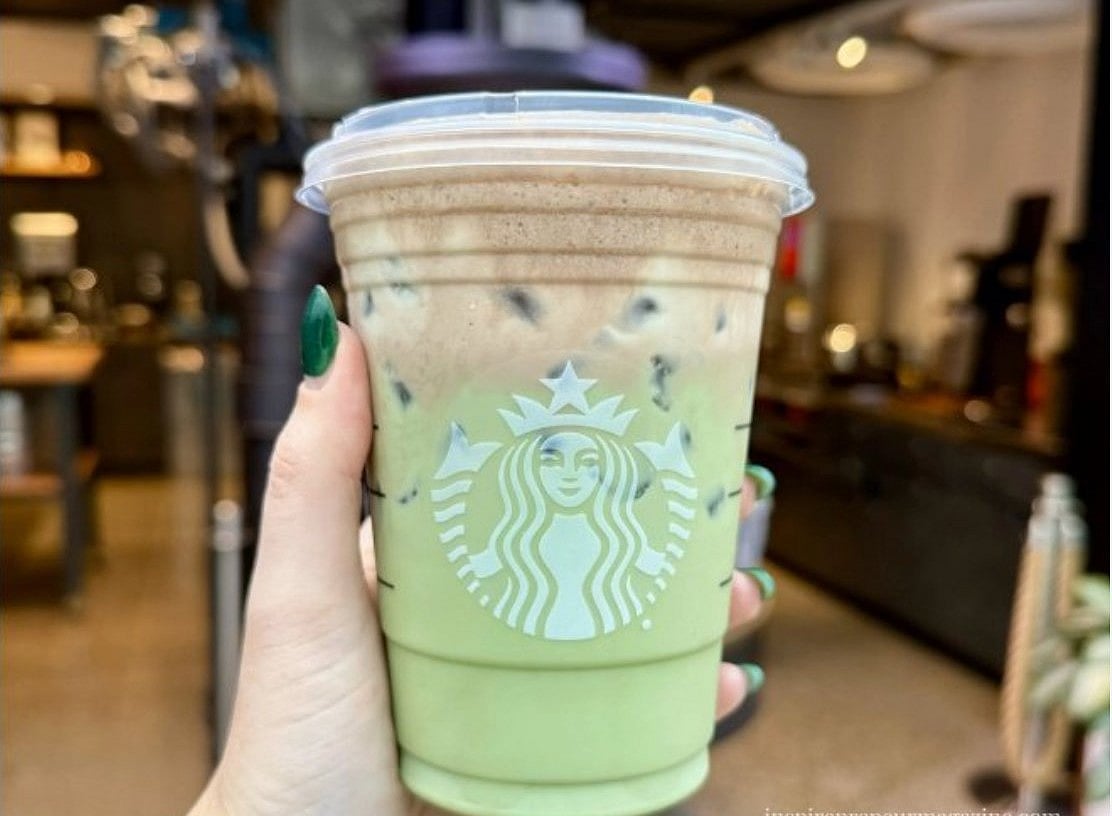
Starbucks is facing a consumer lawsuit over claims that the protein drinks labeled “sugar-free” on its cafe menus may actually contain more sugar than a Reese’s peanut butter cup.
The federal lawsuit filed late Friday in Seattle alleges that eight protein beverages Starbucks sells in the US contain varying amounts of sugar even though the company lists them as "sugar-free".
On Monday, the menu on Starbucks' US website listed a 16-ounce (0.5-liter) Sugar-Free Caramel Protein Matcha with 16 grams of sugar and a 20-ounce (0.6-liter) version of the same drink with 21 grams of sugar.
By comparison, one Reese’s cup has 11 grams of sugar.
Hagens Berman, a law firm that specialises in class action cases, filed the suit on behalf of three individual consumers who bought Starbucks’ sugar-free protein drinks in California, New York and Washington.
“Consumers avoid sugar for various reasons, whether that be general health, diabetes and blood glucose levels or other factors, and for many, a staunch mislabeling like this is significant,” said Steve Berman, a co-founder and managing partner of the Seattle-headquartered firm.
The plaintiffs contend that Starbucks' naming and marketing of sugar-free products is “false, deceptive and unlawful” and that the company violated federal labeling regulations.
| Key Aspect | Details |
|---|---|
| Where Filed | Federal District Court in Washington State |
| Plaintiffs | Lead consumer plaintiffs, including Washington resident Megan Potter, seeking class-action status on behalf of all affected US consumers. |
| Defendants | Starbucks Corp |
| Law Firms Involved | Prominent consumer protection firm Hagens Berman Sobol Shapiro LLP along with co-counsel Sterlington PLLC. |
| Legal Claims | Alleged violations of state consumer protection and false advertising laws in Washington, California, and New York, breach of implied warranty, unjust enrichment, and failure to provide required calorie disclaimers under federal labeling standards. |
| Relief Sought | Monetary damages, restitution for buyers, and a permanent injunction barring Starbucks from using "sugar-free" labels on products that contain sugar. |
Seattle-based Starbucks said the sugar in its protein drinks comes from the protein-boosted milk it uses. The company said it doesn’t add sugar to the drinks and it uses sugar-free syrup for flavouring.
On Starbucks’ website Monday, the drinks were marketed as “sugar-free,” but the company also clearly stated the amount of sugar in each beverage and that they were made without added sugar.
“We believe these claims have no merit,” a Starbucks spokesperson said Monday.
“Starbucks has consistently and clearly provided information about its protein beverages, sugar-free options, customisation choices and nutritional content across product announcements, menus, marketing materials, Starbucks.com and the Starbucks app, and we intend to vigorously defend ourselves in this matter.”
Starbucks introduced its protein drinks in September 2025 to meet consumer demand for functional beverages and catch up to rivals like Dutch Bros, which launched protein-enhanced coffee drinks in 2024.
Dutch Bros also offers a lower-sugar version of its caramel-flavoured Hopscotch Protein Latte, but it’s advertised as the Hopscotch Zero Sugar Added Protein Latte.
The 16-ounce (0.5-liter) iced version has 7 grams of sugar and 11 grams of protein.
By comparison, a 16-ounce (0.5-liter) iced Starbucks Sugar-Free Caramel Protein Latte has 9 grams of sugar and 29 grams of protein.
The lawsuit seeks damages on behalf of US consumers who bought the drinks. It also wants the court to order Starbucks to stop using the label “sugar-free” on products that contain sugar.
Sign up for the Daily Briefing
Get the latest news and updates straight to your inbox
Network Links
GN StoreDownload our app
© Al Nisr Publishing LLC 2026. All rights reserved.