Morocco's centre-right PAM secures most seats in election: provisional results
Low-turnout vote hands PAM narrow lead amid youth anger over inequality
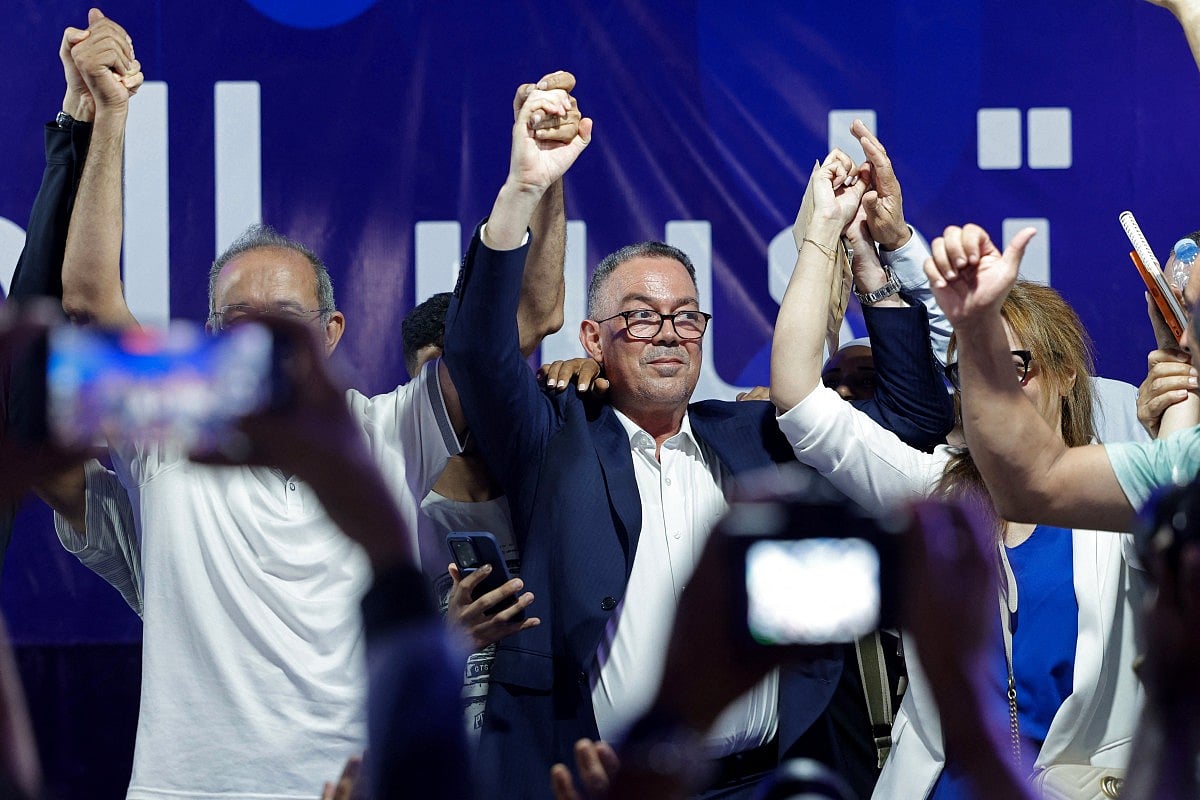
Morocco's centre-right Authenticity and Modernity Party (PAM), which is part of the kingdom's ruling coalition, came out ahead in Wednesday's parliamentary election after winning 97 out of 395 seats, according to provisional results.
The election drew a turnout of 38 percent, marking the lowest level in almost two decades as the kingdom struggled with voter apathy amid social crises.
Nearly 16 million people were registered to vote, with many voicing frustrations about unemployment and inequality ahead of the polls.
The National Rally of Independents (RNI) — which heads the outgoing coalition — came in second with 66 seats, followed by the right-wing Istiqlal party with 65 seats, while the Islamist opposition's Justice and Development Party took 54 seats, according to Interior Minister Abdelouafi Laftit.
The election came less than two months after a mass migration crisis when tens of thousands of mainly young Moroccans rushed into the Spanish enclave of Ceuta.
Only about four percent of registered voters were aged 18 to 24. In September 2025, a Gen-Z protest movement took to the streets in Morocco to demand better health and education.
Wednesday's turnout fell short of 2021's 50 percent, and was the lowest since 2007 when the figure was 36.8 percent.
"I'm not going to vote because I have lost all faith in the political class," Majda Bakatir told AFP in Rabat.
"We want our country to move forward, but politicians do not seem to care about our problems regarding healthcare, education, and purchasing power," added the 59-year-old woman.
But others, like 55-year-old Karim Ennaciri, did vote in the hopes that the election would bring about change.
"This will allow us to see if there's a renewal within the parties," he said.
In spite of the downbeat voter sentiment, the kingdom has posted economic growth and is ramping up major infrastructure projects as it prepares to co-host the 2030 World Cup alongside Spain and Portugal.
But that may have also contributed to the disillusionment, as the "World Cup bid comes at a high cost", wrote Arab Reform Initiative researcher Lamia Elfehaim.
Elfehaim said that Morocco's sporting investments were viewed by some "as out of step with the kingdom's socio-territorial priorities: failing public services, rural isolation... and high unemployment".
'Left behind'
Morocco's prime minister is appointed by the king from the party that wins the most seats. The premier then forms a government for a five-year term, but the monarch retains control of major policy decisions.
Prime Minister Aziz Akhannouch led the RNI's campaign, although he has stepped down as head of the party.
Akhannouch has defended his government's record — including expanding social security coverage — and promised the RNI will do more if re-elected.
"We have done quite important work within the government," he said at a recent rally.
"We carried out reforms in education and health, we increased salaries... we were there when (Moroccans) needed us."
The wealthy businessman has nevertheless faced repeated accusations of conflicts of interest involving his company Afriquia, Morocco's leading fuel distributor.
Akhannouch also faced widespread calls for his resignation during the youth-led Gen-Z protests.
The RNI and its main rival PAM are ideologically close and were founded by figures with ties to the royal palace.
The PAM has recruited a popular figure, Budget Minister Fouzi Lekjaa, better known for his role as head of the Royal Moroccan Football Federation.
"We want to make young people a force capable of bringing added value rather than being left behind," Lekjaa recently said, pledging higher wages and better purchasing power.
The PAM has also been hit by a corruption scandal. In June, a court sentenced two of its senior figures to 10 and 12 years in prison respectively in a major drug-trafficking case involving a kingpin dubbed the "Escobar of the Sahara".
Network Links
GN StoreDownload our app
© Al Nisr Publishing LLC 2026. All rights reserved.