UAE to host global AI dialogue on anticipatory humanitarian action
Abu Dhabi summit to harness AI and predictive analytics for faster crisis response
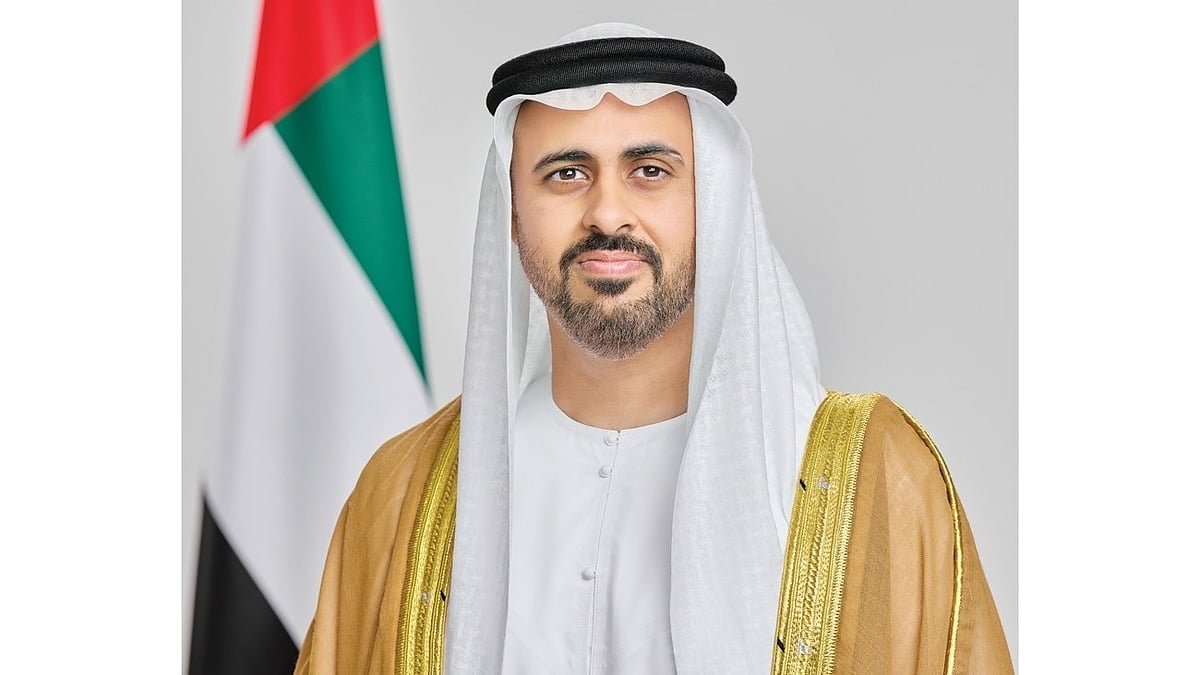
Under the patronage of Sheikh Theyab bin Mohamed bin Zayed Al Nahyan, Deputy Chairman of the Presidential Court for Development and Fallen Heroes’ Affairs, the Development Affairs Office at the Presidential Court has announced the organization of a high-level dialogue session on strengthening anticipatory humanitarian action.
The event will take place tomorrow, Tuesday, at the Zayed National Museum in Abu Dhabi, bringing together a distinguished group of international experts in humanitarian affairs and artificial intelligence.
Get updated faster and for FREE: Download the Gulf News app now - simply click here.
The session forms part of a strategic initiative aimed at exploring ways to bridge the gap between the ability to predict humanitarian crises and the capacity to act early with more timely and effective responses.
Discussions will focus on the role of predictive analytics and artificial intelligence in enhancing the preparedness of the international humanitarian system. Participants will examine how predictive technologies and AI can support anticipatory humanitarian action and improve the ability of stakeholders to move from risk forecasting to timely, practical interventions.
The dialogue is being held in conjunction with a feasibility study conducted by the Development Affairs Office on enhancing the capabilities of anticipatory humanitarian action.
The session seeks to achieve four key outcomes: developing a shared understanding of the current landscape and priority gaps in forecasting and early warning capabilities; identifying the potential role of the UAE in this field; providing strategic input to support the feasibility study and future actions; and establishing a foundation for continued collaboration and knowledge exchange among practitioners and partners serving the humanitarian sector.
Budget cuts and declining contributions challenge global humanitarian action
Dr. Tariq Al Ameri, Director of the Development Affairs Office, stated that the global humanitarian system is facing mounting pressures due to budget reductions, declining contributions from some donors, and the widening gap between humanitarian needs and available resources. At the same time, rapid technological advancements—particularly in artificial intelligence—have provided powerful new tools for forecasting natural disasters and humanitarian risks.
He emphasised that the dialogue session is part of the UAE’s efforts to identify existing gaps in the global capacity to anticipate humanitarian crises and to develop forward-looking solutions that enhance humanitarian preparedness. The initiative also reinforces the UAE’s role in delivering humanitarian assistance and leading global discussions on the future of this vital sector.
Enhancing humanitarian crisis forecasting capabilities
Dr. Al Ameri explained that the session aims to facilitate an in-depth discussion on the strategic, technical, operational, and governance dimensions of developing humanitarian crisis forecasting capabilities, helping to define their practical value for the international humanitarian system.
He added that the session is expected to contribute meaningfully to the advancement of humanitarian assistance by supporting more effective resource allocation, reducing financial costs, improving preparedness, enabling more precise humanitarian interventions, and strengthening partnerships among humanitarian organizations, technology providers, and donor institutions.
The dialogue is expected to generate a range of knowledge outputs, including a summary of key insights and recommendations that will inform the feasibility study, as well as a white paper outlining the strategic case, vision, and potential impact of enhancing predictive capabilities in humanitarian action, based on discussions among experts and participants.
The organisation of this dialogue reflects the UAE’s longstanding commitment to development and humanitarian action, a legacy that dates back to the founding of the Union by the late Sheikh Zayed bin Sultan Al Nahyan, whose humanitarian vision was rooted in generosity, solidarity, and service to humanity.
Under the leadership of His Highness Sheikh Mohamed bin Zayed Al Nahyan, President of the UAE, the country continues to strengthen this approach through pioneering initiatives that combine humanitarian values, international partnerships, and the application of advanced technologies, thereby enhancing the ability of humanitarian action to respond to crises and disasters in a timely, proactive, and effective manner.
Network Links
GN StoreDownload our app
© Al Nisr Publishing LLC 2026. All rights reserved.