Two-year-old with rare immune disorder saved by mother's bone marrow transplant in Abu Dhabi
Abu Dhabi doctors perform life-saving transplant for boy with Hyper-IgM Syndrome
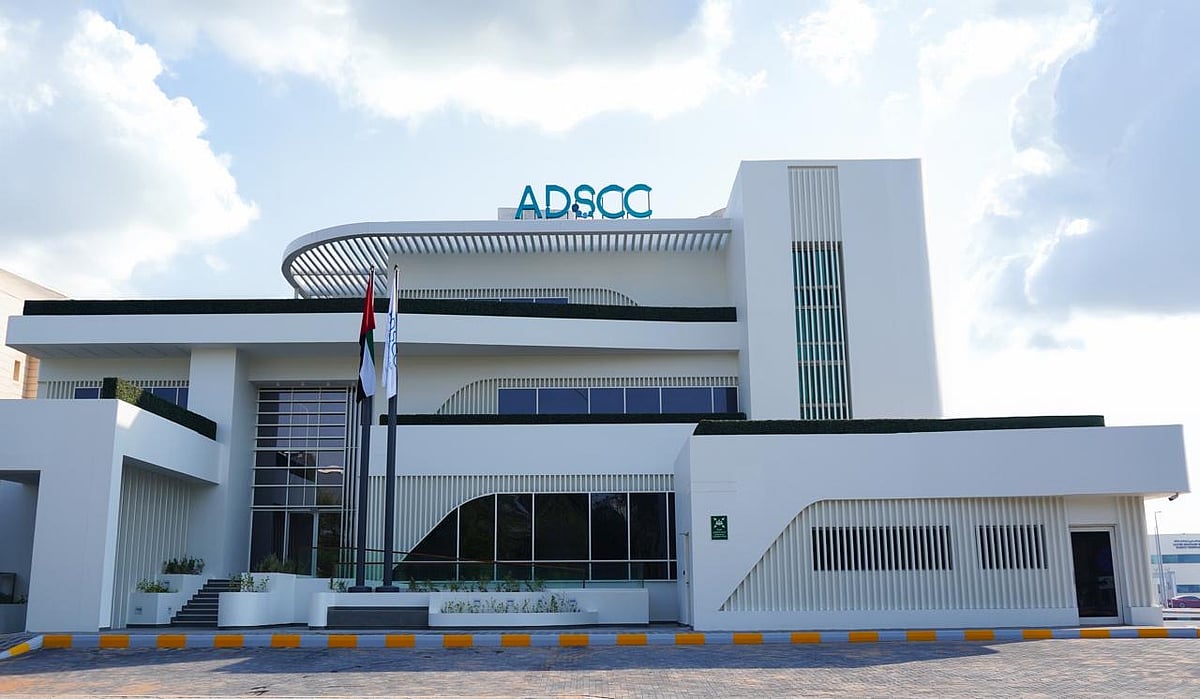
A two-year-old boy with a rare inherited immune disorder is preparing to return home after receiving an urgent bone marrow transplant in Abu Dhabi, with his mother becoming his donor.
Kai was diagnosed with Hyper-IgM Syndrome early in life after suffering severe and repeated infections. His condition became so serious that he was admitted to intensive care and required respiratory support.
He also developed cytomegalovirus (CMV), which affected his blood and lungs, as well as Pneumocystis pneumonia (PCP), a serious lung infection that can affect people with severely weakened immune systems.
Following treatment, Kai received monthly immunoglobulin replacement therapy to support his immune system.
However, his immune system did not recover sufficiently and he continued to require blood and platelet transfusions, leaving him at risk of further serious infections.
Doctors at Yas Clinic Khalifa City, working with Abu Dhabi Stem Cells Center (ADSCC), decided an urgent bone marrow transplant was needed.
Mother becomes donor
Kai’s mother was identified as a haploidentical, or half-matched, donor.
This type of transplant allows a parent or other family member to donate when a fully matched donor is not available.
Medical teams worked to stabilise Kai and prepare him for the transplant, which was carried out through the Abu Dhabi Bone Marrow Transplant Program.
The transplant was successful and the donated cells have started to function, according to the medical team.
Kai currently has no signs of active infection, is clinically stable and is preparing to return home with his family.
Dr Mansi, Consultant in Pediatric Hematology, Oncology and Bone Marrow Transplantation and Kai’s treating physician, said his condition meant doctors had to act quickly.
“His mother was identified as a half-matched donor, and our multidisciplinary teams worked rapidly to prepare him for the procedure,” she said.
“The transplant was successful, the donor cells have begun functioning, and Kai currently has no active infection.”
Hyper-IgM Syndrome is a rare group of inherited immune disorders that affects the body’s ability to produce a normal antibody response, making children more vulnerable to repeated and potentially serious infections.
For eligible patients, a bone marrow transplant can allow a new donor-derived immune system to develop and help address the underlying immune deficiency.
Sign up for the Daily Briefing
Get the latest news and updates straight to your inbox
Network Links
GN StoreDownload our app
© Al Nisr Publishing LLC 2026. All rights reserved.