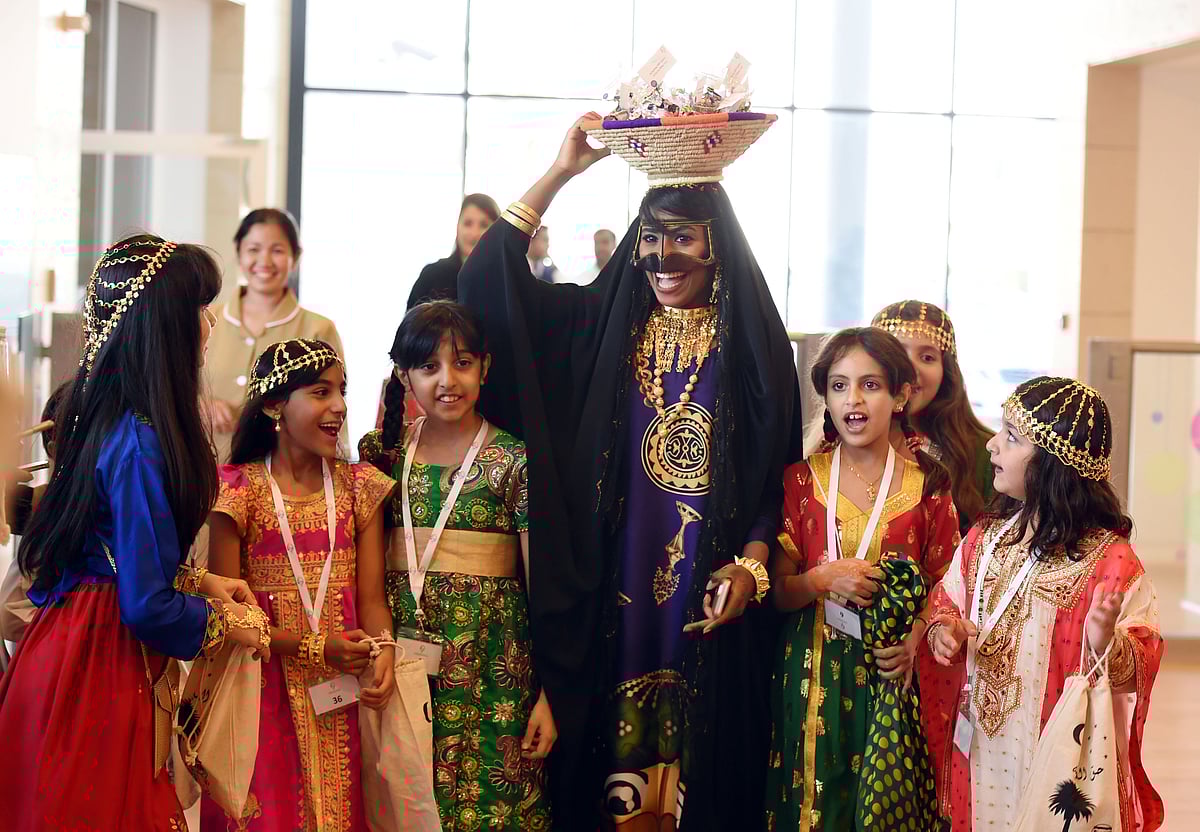
Dubai: The UAE Council for Fatwa has issued a religious ruling (Fatwa) clarifying the permissibility of observing the night of mid-Sha’ban, outlining its spiritual merit and the ruling on commemorating it through worship and customary practices.
The move is part of the council’s efforts to unify religious guidance nationwide and to provide clear rulings on community traditions associated with the occasion, locally known as Hag Al Laila.
In its statement, the Council affirmed that celebrating the night of mid-Sha’ban (Hag Al Laila) is permissible in accordance with established social custom, stressing that the guiding principle in customary practices is permissibility so long as they do not contravene the principles or objectives of Islamic law.
It added that the exchange of gifts on the occasion, particularly to bring joy to children, relatives and neighbours, is also allowed, as it strengthens social bonds and family ties.
The ruling explained that this permissibility is based on recognised jurisprudential principles, including the maxim that customs are originally allowed, and that matters on which Islamic law is silent are treated with leniency.
It further noted that such practices serve recognised objectives, including fostering joy, affection and cohesion within society.
The Council cited Prophetic traditions and established reports highlighting the virtue of the night.
The fatwa also referred to narrations attributed to the Prophet Muhammad’s companions and their successors regarding the merit of mid-Sha’ban, including reports from Aisha, the Mother of the Believers, and from Abu Bakr Al Siddiq, which speak of God’s regard for His servants on that night, His forgiveness of those who seek it, and His mercy upon those who ask, while excluding those harbouring enmity.
In addition, the Council cited the views of prominent scholars who considered it recommended to observe the night through acts of worship such as prayer, remembrance, supplication and recitation of the Qur’an. Among those referenced were Imam Al Shafi‘i and Ibn Rajab, with the clarification that such observance is encouraged rather than obligatory.
The Council concluded by affirming that commemorating the night of mid-Sha’ban is religiously valid, and that observing it through worship is recommended. Those who do so in hope of reward, based on the reported traditions, may expect acceptance, it said, while those who choose not to observe it bear no blame, calling for neither condemnation nor dispute over the matter.
As for the timing of the occasion in 2026, the night of mid-Sha’ban will begin at sunset on Monday, 2 February 2026, corresponding to 14 Sha’ban, and will continue until dawn on Tuesday, 3 February 2026, marking 15 Sha’ban, according to the Islamic lunar calendar.
Sign up for the Daily Briefing
Get the latest news and updates straight to your inbox
Network Links
GN StoreDownload our app
© Al Nisr Publishing LLC 2026. All rights reserved.