Muslim Council of Elders calls for global campaign to confront extremism, hate speech, promote coexistence
It urged the adoption of legislation and policies to combat hate and discrimination
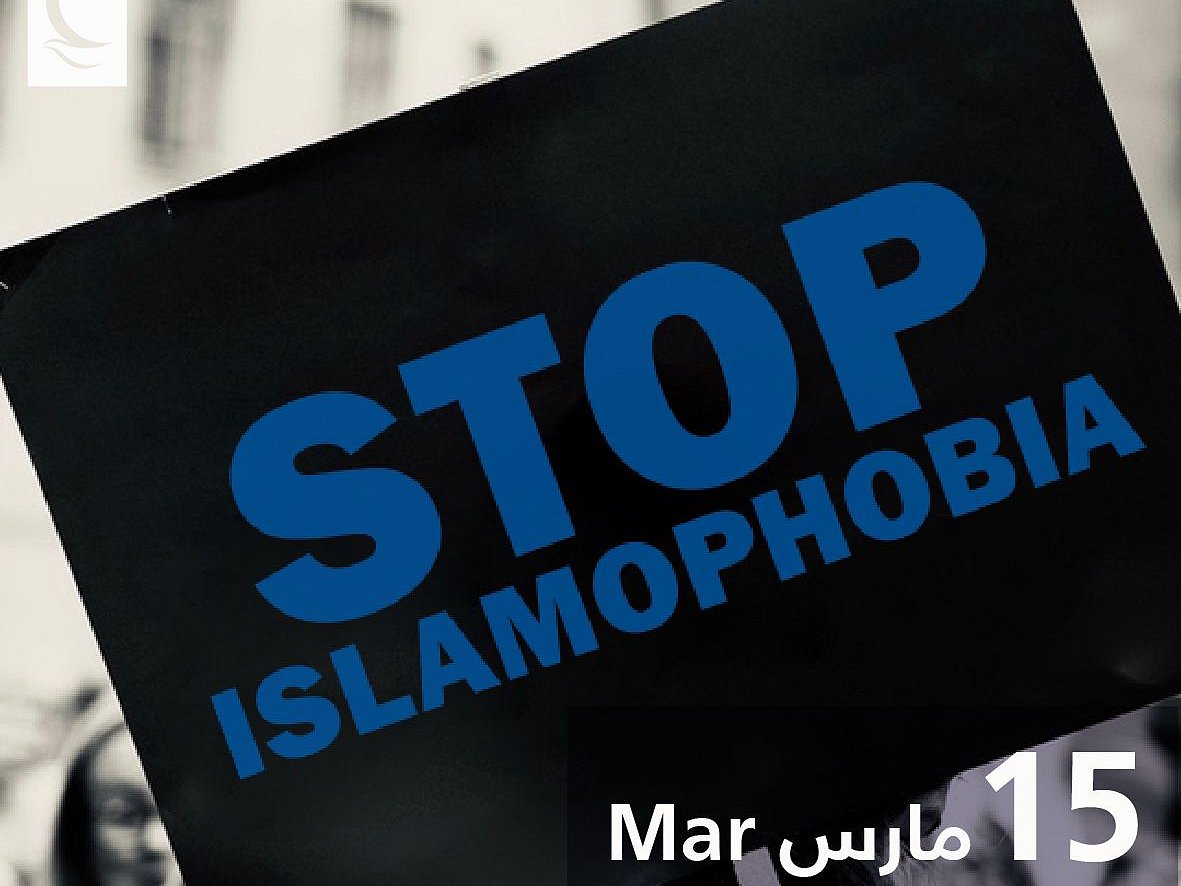
The Muslim Council of Elders, chaired by Dr. Ahmed Al‑Tayeb, the Grand Imam of Al‑Azhar, affirmed its unequivocal rejection of all forms of extremism, hatred, discrimination, and incitement to violence against Muslims, warning of the growing phenomenon of Islamophobia and the serious threat it poses to coexistence, social peace, and global stability.
In a statement issued on the International Day to Combat Islamophobia, observed annually on 15th March, the council called for the launch of a comprehensive global campaign to confront extremist, hateful, and religiously discriminatory rhetoric. It urged the adoption of clear legislation and policies to combat hate and religious discrimination, the promotion of mutual respect and cultural and religious pluralism, and efforts to raise awareness of the true image of Islam as a religion of mercy, justice, and peace — one that upholds human dignity and affirms every person’s right to live in peace and security.
Stay updated: Get the latest faster by downloading the Gulf News app - it's completely free. Click here for Apple or here for Android. You can also find it on the Huawei AppGallery.
The statement added that Islamophobia is not merely the result of isolated individual attitudes or extremist discourse, but rather a dangerous phenomenon fueled by ignorance and distorted stereotypes, and exploited by far‑right groups to serve narrow political and partisan interests.
Such practices contribute to the spread of division and hatred. Confronting this, the council stressed, requires the concerted efforts of governments, religious institutions, educational bodies, and media organisations to enhance mutual respect and to strengthen citizenship, pluralism, and acceptance of others.
The Muslim Council of Elders continues to exert tireless efforts to highlight the tolerance of the true Islamic faith and to promote enlightened, moderate thought in the face of all forms of fanaticism, extremism, racism, hatred, and discrimination. These efforts are carried out through a range of impactful initiatives and projects, including East–West Dialogue Tours, International Peace Convoys, the Emerging Peacemakers Forum, Student Dialogue Programs for Human Fraternity, and Ramadan missions to various parts of the world.
The Document on Human Fraternity, which was co-signed in Abu Dhabi in 2019 by Dr Al‑Tayeb and the late Pope Francis of the Catholic Church, affirms that freedom is a right for every human being — in belief, thought, expression, and practice — and that pluralism and diversity in religion, color, gender, race, and language are manifestations of divine wisdom by which God created humanity. The document establishes these principles as a foundation for the rights to freedom of belief and freedom of difference, and for the rejection of coercing individuals into a particular religion or culture, or imposing a civilisational model that others do not accept.
Network Links
GN StoreDownload our app
© Al Nisr Publishing LLC 2026. All rights reserved.