Why the incidence of colorectal cancer is rising among younger adults
Early detection is critical as late diagnoses at advanced stages affect survival rates
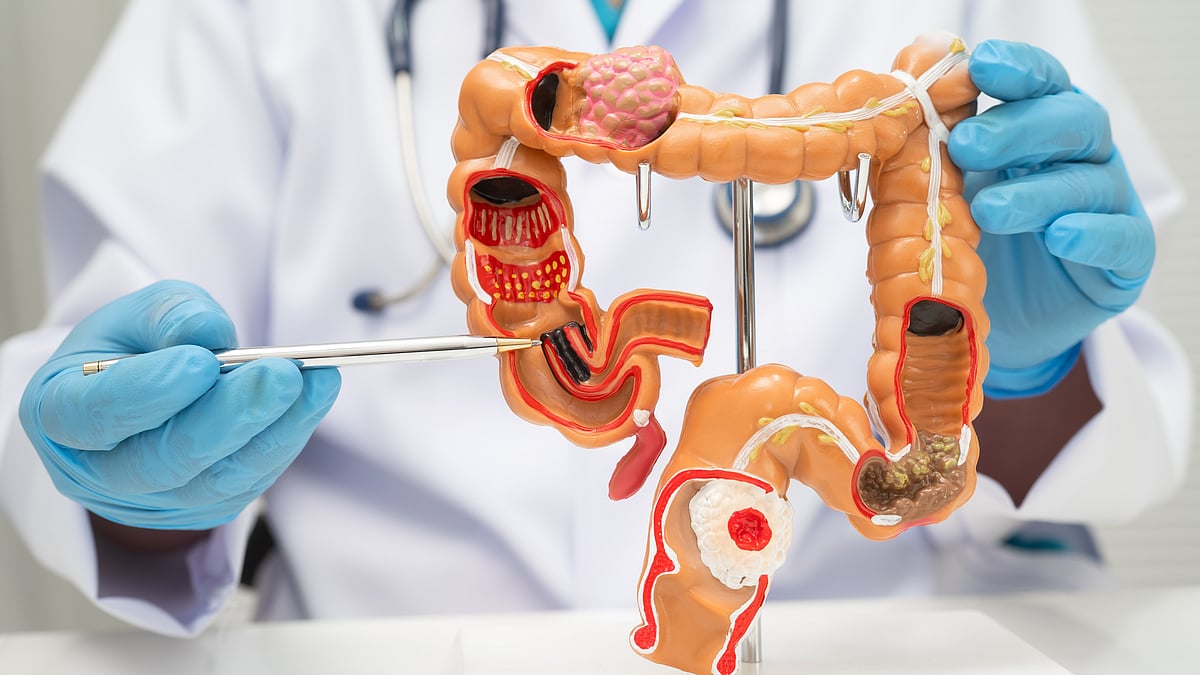
When James Van Der Beek, the 90s teen idol of Dawson’s Creek fame, died in his late forties last month, it brought colorectal cancer back into public consciousness. His death was a stark reminder of the increasing incidence of early onset colorectal cancer (diagnosed in people under 50 years) and the poor prognosis for patients in advanced stages.
Today, colorectal cancer accounts for the highest number of cancer deaths in the world after lung cancer.
Dr Hanan Ismail Abubaker El Mileik, Consultant Gastroenterologist at NMC, explains it’s mainly because the disease is frequently diagnosed at advanced, harder-to-treat stages due to lack of symptoms early on.
Rise in incidence rate
Over the past 10-15 years, the incidence of colorectal cancer has been rising with a significant number of cases occurring in patients under 50. Between 2011 and 2015, about 36 per cent of the cases were early onset, explains Dr Hanan, with such cases rising by 2 per cent every year in the US and even faster in other countries.
This upward trend is seen in the UAE too.
In 2021, the number of colorectal cancer cases in the UAE stood at 532, climbing up from 377 in 2013, according to the UAE National Cancer Registry’s latest figures.
Dr Hanan cites the adoption of Western diets full of processed, high-fat, low-fibre foods, obesity, and sedentary lifestyles as major contributors to the rise in the UAE and the Arab world.
The risk is exacerbated by a mix of factors such as advancing age (above 50), personal or family history of colorectal cancer and polyps, inflammatory bowel diseases like ulcerative colitis and Crohn’s colitis, and genetic conditions such as Lynch syndrome or familial adenomatous polyposis, elaborates Dr Francois Prunel, Consultant General Surgeon at NMC.
But he offers hope.
Dr Prunel points to risk factors such as diets high in red and processed meat and low in fruits, vegetables and fibre; physical inactivity; being overweight or obese, especially abdominal obesity; and regular alcohol use and smoking including passive smoking, which all can be modified to reduce the chances of occurance.
No symptoms doesn’t mean no cancer
As early colorectal cancer has few symptoms, there are no warning signs such as diarrhoea or constipation, blood in the stool, abdominal pain, unexplained weight loss, fatigue and low iron levels that advanced stages would cause. So, it becomes imperative to regularly screen for the disease once you hit 50.
However, taking the high incidence of colorectal cancer in the UAE into account, the health authorities here have brought down the starting age of screening to 40 to catch the disease on time.
Dr Zakir K. Mohamed, Consultant General, Colorectal Surgeon and Regional Medical Director at NMC Dubai, believes screening is the most effective tool to tackle colorectal cancer. “Encouraging residents aged 40 and above to undergo regular screening — with stool test and colonoscopy — can significantly reduce both new cases and late diagnoses,” he explains.
As survival rates go down with late diagnoses in advanced stages of the disease, the case for early detection cannot be overemphasised.
“Over the past decade, treatment options have advanced through minimally invasive surgery, targeted therapies, immunotherapy, and more precise imaging. These therapies, including robotic-assisted surgery, are now widely available in the UAE.”
For the first time, Colorectal Cancer Awareness Month was organised in March 2000 to bring the dangers of the disease to front and centre. As health authorities and organisations continue to raise awareness, the onus is now on individuals to take action and protect themselves, especially when the number of new cases is projected to reach 3.2 million a year by 2040 from 1.9 million in 2020.
Sign up for the Daily Briefing
Get the latest news and updates straight to your inbox
Network Links
GN StoreDownload our app
© Al Nisr Publishing LLC 2026. All rights reserved.