UAE scientists uncover breakthrough that could reshape Huntington’s disease treatment
ADSCC identifies new disease mechanism that could lead to targeted Huntington’s therapies
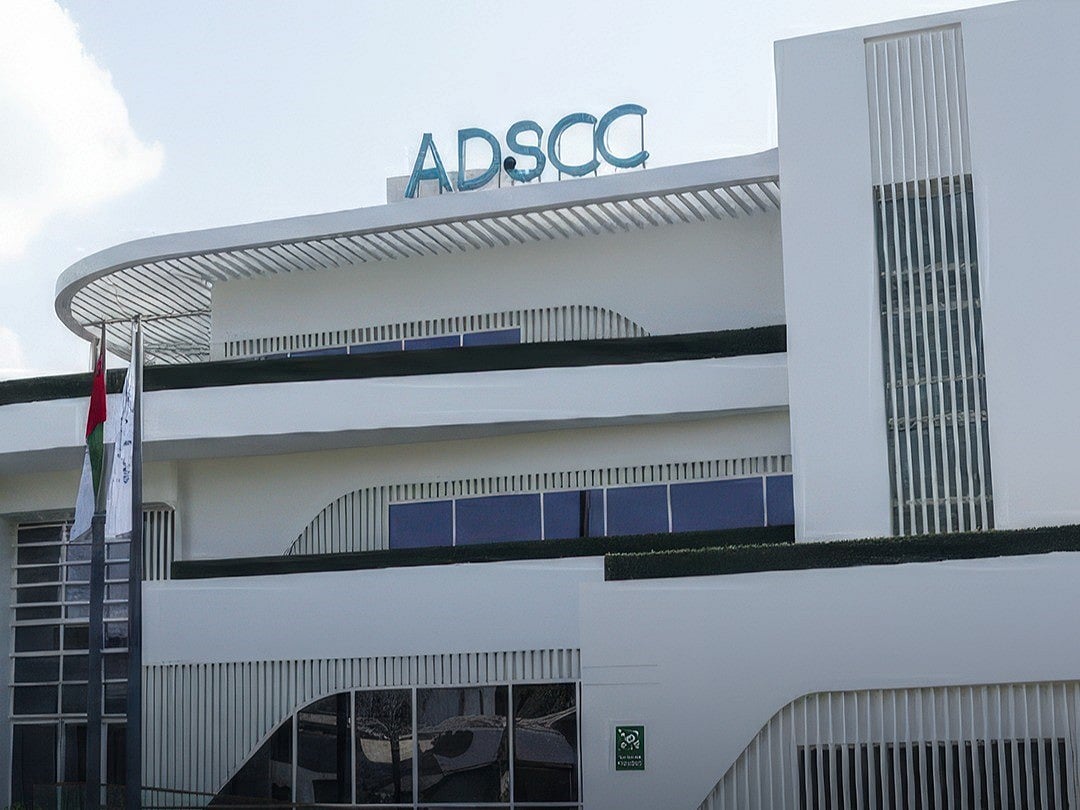
Abu Dhabi: Researchers at the Abu Dhabi Stem Cells Center (ADSCC) have made a significant breakthrough in Huntington’s disease research, identifying a previously unknown mechanism that could transform how the rare inherited neurological disorder is treated in the future.
The discovery, made using patient-derived stem cells and advanced laboratory-grown brain models, shifts scientific attention beyond neurons to astrocytes – the brain’s support cells – revealing that they play a far greater role in the progression of Huntington’s disease than previously understood. Scientists say the findings could help accelerate the development of targeted therapies for a condition that currently has no cure.
Why the discovery matters
Huntington’s disease is a progressive genetic disorder that damages the brain, gradually affecting movement, memory, thinking and behaviour. Although researchers have studied the disease for decades, existing treatments only help manage symptoms and do not address its underlying cause.
The ADSCC study identifies a new biological pathway that could become a target for future treatments, offering fresh hope for patients and their families.
How the research was conducted
The research team collected skin and blood samples from Huntington’s disease patients at different stages of the illness, including both children and adults. These samples were reprogrammed into induced pluripotent stem cells and then developed into laboratory-grown brain tissue containing neurons and astrocytes, allowing scientists to observe how the disease develops in patient-specific brain models.
Their findings showed that astrocytes, which make up most brain cells and are essential for supporting healthy brain function, lose their ability to maintain their internal structure because of the mutant huntingtin protein responsible for the disease.
Researchers found that the abnormal protein disrupts three key molecular pathways that regulate the production of Glial Fibrillary Acidic Protein (GFAP), a vital structural protein needed for healthy astrocyte function.
Potential treatment identified
To verify the discovery, scientists introduced the mutant huntingtin protein into healthy cells and successfully recreated the same abnormalities seen in patients.
The team then tested three therapeutic compounds designed to restore the disrupted molecular pathways. Following treatment, diseased astrocytes regained their normal structure and function.
The findings were also confirmed using genetically engineered fruit fly models of Huntington’s disease. Untreated flies showed impaired movement and climbing ability, while treated flies demonstrated significant recovery in motor function, providing encouraging preclinical evidence for the therapeutic approach.
Wider implications
Researchers believe the stem cell platform developed by ADSCC could also speed up research into several other neurological and genetic disorders, including amyotrophic lateral sclerosis (ALS), Alzheimer’s disease, Parkinson’s disease, leukodystrophies, Alexander disease and sickle cell disease.
Dr. Fatima Al Kaabi, Consultant Hematologist and Bone Marrow Transplanter, Executive Director of the Abu Dhabi Bone Marrow Transplant Program at ADSCC, and Board Member of ADSCC / Yas Clinic Group, said: “This breakthrough reflects ADSCC’s continued commitment to advancing scientific discovery and translating cutting-edge research into future therapeutic opportunities for patients. Through sustained investment in stem cell research, regenerative medicine, and precision medicine, we continue to strengthen Abu Dhabi’s position as a regional and international centre for biomedical innovation.”
Complex diseases
She added: “Research of this calibre demonstrates the importance of building integrated research platforms capable of addressing some of the world’s most complex diseases while creating new opportunities to improve patient outcomes in the years ahead.”
Professor Angelo L. Vescovi, Professor of Cell Biology and lead researcher, said: “Through over three decades, Huntington’s disease research has focused primarily on neurons. Our study shows that astrocytes play a far more critical role in disease progression than previously understood. By identifying the molecular mechanisms responsible for their dysfunction, we have uncovered a new biological target that could fundamentally change how future therapies for Huntington’s disease are developed.”
He added: “Perhaps even more importantly, one of the therapeutic compounds evaluated during our study is already in Phase III clinical trials for another indication. This creates an important opportunity to accelerate future clinical translation and brings us one step closer to developing effective treatments for Huntington’s disease.”
The findings are expected to be published in a peer-reviewed scientific journal and represent another milestone in ADSCC’s growing biomedical research programme aimed at developing next-generation precision therapies for patients in the UAE and worldwide.
Sign up for the Daily Briefing
Get the latest news and updates straight to your inbox
Network Links
GN StoreDownload our app
© Al Nisr Publishing LLC 2026. All rights reserved.